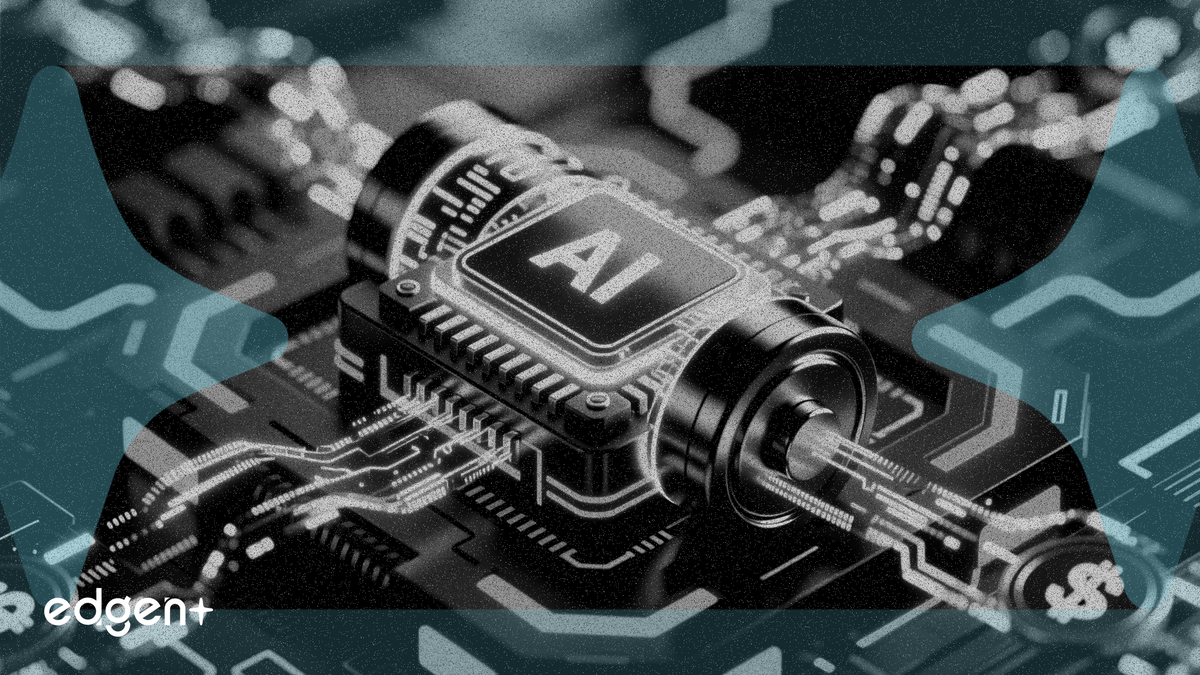
(P1) 소프트뱅크 그룹은 인공지능 경쟁에서 가장 큰 제약 중 하나인 전력 문제를 해결하기 위해 대규모 배터리를 직접 구축하기로 했습니다. 이 벤처는 2030년까지 6억 3,800만 달러 이상의 수익을 창출할 것으로 예상됩니다.
(P2) 일본 거대 복합기업의 통신 부문인 소프트뱅크 코퍼레이션은 월요일 이 새로운 사업을 발표하며, 한국의 배터리 전문 기업인 Cosmos Lab 및 AI 기업 DeltaX Co.와의 전략적 파트너십을 상세히 설명했습니다.
(P3) 차세대 아연-할로겐 배터리 셀 생산은 2028년 3월에 끝나는 회계연도에 오사카부 사카이시에 위치한 소프트뱅크 공장에서 시작될 예정입니다. 회사는 이듬해 대량 생산을 목표로 하고 있습니다. 해당 부지에는 대규모 AI 데이터 센터도 들어설 예정이며, 전력과 컴퓨팅이 수직으로 통합된 허브가 될 것입니다.
(P4) 이번 조치는 전 세계 전력망을 압박하고 있는 AI 데이터 센터의 급증하는 전력 수요에 직접 대응하는 것입니다. 소프트뱅크는 자체 에너지 저장 공급 장치를 확보함으로써 비용을 통제하고 야심 찬 AI 하드웨어 추진에 안정적인 전력을 보장하며, AI 경제의 기초 인프라에서 핵심 플레이어로 자리매김하는 것을 목표로 합니다.
전력으로의 전략적 전환
엔비디아, 아마존, 구글과 같은 거대 기술 기업들이 AI 칩과 모델에 수십억 달러를 투자함에 따라, 그 바탕이 되는 에너지 소비가 중요한 병목 현상이 되었습니다. 배터리 시장에 진출하기로 한 소프트뱅크의 결정은 이러한 도전에 대한 직접적인 대응입니다. 회사는 Cosmos Lab과 아연-할로겐 배터리 화학 분야에서 협력하고, DeltaX와 협력하여 AI 작업 부하의 강렬하고 지속적인 전력 수요에 맞춘 고성능 배터리 설계를 만들 것입니다.
아연-할로겐 기술의 선택은 비용 효율적이고 대용량 저장 장치에 집중하고 있음을 시사하며, 시장을 장악하고 있는 리튬 이온 배터리의 대안을 제공할 가능성이 있습니다. 구체적인 성능 지표는 아직 공개되지 않았지만, 목표는 소프트뱅크 자체 데이터 센터에 안정적으로 전력을 공급하고 일본의 다른 그리드 및 산업 고객에게 판매할 수 있는 저장 시스템을 구축하는 것입니다.
투자자 영향
투자자들에게 이 벤처는 소프트뱅크의 AI 전략이 소프트웨어와 서비스를 넘어 핵심 하드웨어 및 인프라 계층으로 더 깊이 통합됨을 의미합니다. 2030 회계연도까지의 6억 3,800만 달러 이상의 수익 목표는 이 이니셔티브의 성공 여부를 추적할 구체적인 지표를 제공합니다. 소프트뱅크 그룹(9984.T)의 주가는 회사의 AI 투자와 밀접하게 연동되어 왔으며, 이번 행보는 데이터 센터 운영의 장기적인 리스크 해소로 비춰질 수 있습니다. 이 벤처의 성공은 운영 비용을 크게 낮추고 수요가 높은 새로운 수익원을 창출할 수 있지만, 단기적으로는 상당한 자본 지출이 필요할 것입니다.
이 기사는 정보 제공만을 목적으로 하며 투자 조언을 구성하지 않습니다.