
Key Takeaways: Masayoshi Son is betting the future of AI belongs on the ground with a single Ohio data center drawing power equal to 10 nuclear reactors.
Key Takeaways: Masayoshi Son is betting the future of AI belongs on the ground with a single Ohio data center drawing power equal to 10 nuclear reactors.
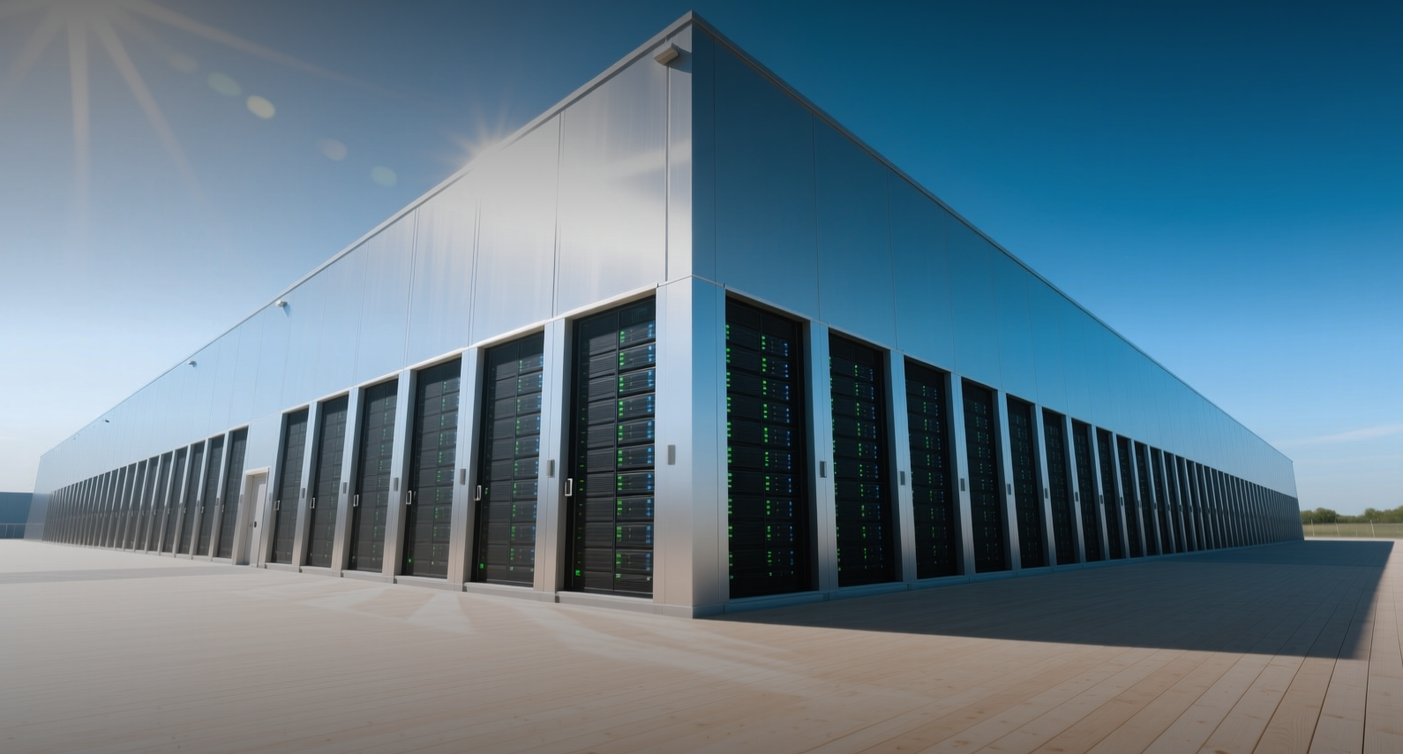
SoftBank Group Chairman Masayoshi Son plans to build the world's largest data center in Ohio, a single facility drawing power equivalent to 10 nuclear reactors, as the Japanese conglomerate accelerates its AI infrastructure push.
"Just this one business alone will generate enormous profits," Son said at SoftBank's annual shareholder meeting on June 24, adding that he is signing a memorandum of understanding with a client for the Ohio development.
The project, advanced through SB Energy, SoftBank's power subsidiary, would deliver roughly 10 GW of capacity — enough to supply about 10 million homes. By comparison, Meta Platforms Inc.'s "Prometheus" data center in New Albany, Ohio, which is expected online this year, dedicates 1 GW to artificial intelligence workloads and will house about $30 billion worth of semiconductors, according to the Economist. A 10-GW facility would represent a tenfold increase in power consumption over the largest existing hyperscale projects. Son did not disclose the client's identity, the project timeline, or the total investment.
The plan shows SoftBank's determination to lead the AI infrastructure race even as Son rejects competing visions. At the same meeting, he dismissed Elon Musk's proposal for orbital data centers, arguing that electricity accounts for only about 7% of AI infrastructure costs while chips and other expenses make up the remaining 93%. "The winner will be decided in the next some years," Son said, "so rather than focusing on the space where we have no idea what will happen, we would like to focus on more with the near-sighted perspective."
The Ohio project would dwarf existing hyperscale facilities. Meta's Prometheus site, at 1 GW, was already considered among the largest AI data centers ever built. A 10-GW facility would require power infrastructure on the scale of a small city's entire grid, raising questions about grid capacity and potential local opposition. America's data-center backlash has been spreading, with communities resisting the strain on power and water resources, according to a June 23 report by the Economist. In Ohio alone, the surge in data center construction has prompted debates over energy pricing and grid reliability.
SB Energy's role in the project highlights the growing intersection between energy utilities and tech infrastructure. SoftBank established the renewable energy unit to develop solar and wind projects, and the Ohio data center would represent its largest single-site power delivery to date. The company's ability to secure 10 GW of power — roughly the output of the Hoover Dam multiplied by seven — would depend on grid interconnection approvals and state-level regulatory support.
SoftBank's terrestrial approach contrasts with tech billionaires pursuing space-based compute. Amazon founder Jeff Bezos and Google CEO Sundar Pichai have embraced orbital data centers as a solution to AI's energy demands, with Pichai calling the notion a "moonshot." OpenAI CEO Sam Altman has called the concept "ridiculous," saying in February that "orbital data centers are not something that's going to matter at scale this decade." SpaceX has said it aims to build a "constellation of a million satellites that operate as orbital data centers" and has begun hiring engineers for the effort.
For investors, the scale carries implications across sectors. A 10-GW facility could house hundreds of thousands of GPUs, representing billions of dollars in potential orders for Nvidia Corp. or Advanced Micro Devices Inc. Energy and grid infrastructure providers would also benefit from the power delivery requirements. SoftBank Group shares (9984.JP) have been driven partly by the AI narrative, though the lack of financial details makes near-term earnings impact difficult to assess. The project, if confirmed, would position SoftBank alongside the largest hyperscale operators in the world.
This article is for informational purposes only and does not constitute investment advice.
