
Europe's sovereign AI infrastructure push gains momentum as Solstice and TensorX secure $1 billion in financing to build GPU capacity for regulated enterprises across the EU.
Europe's sovereign AI infrastructure push gains momentum as Solstice and TensorX secure $1 billion in financing to build GPU capacity for regulated enterprises across the EU.
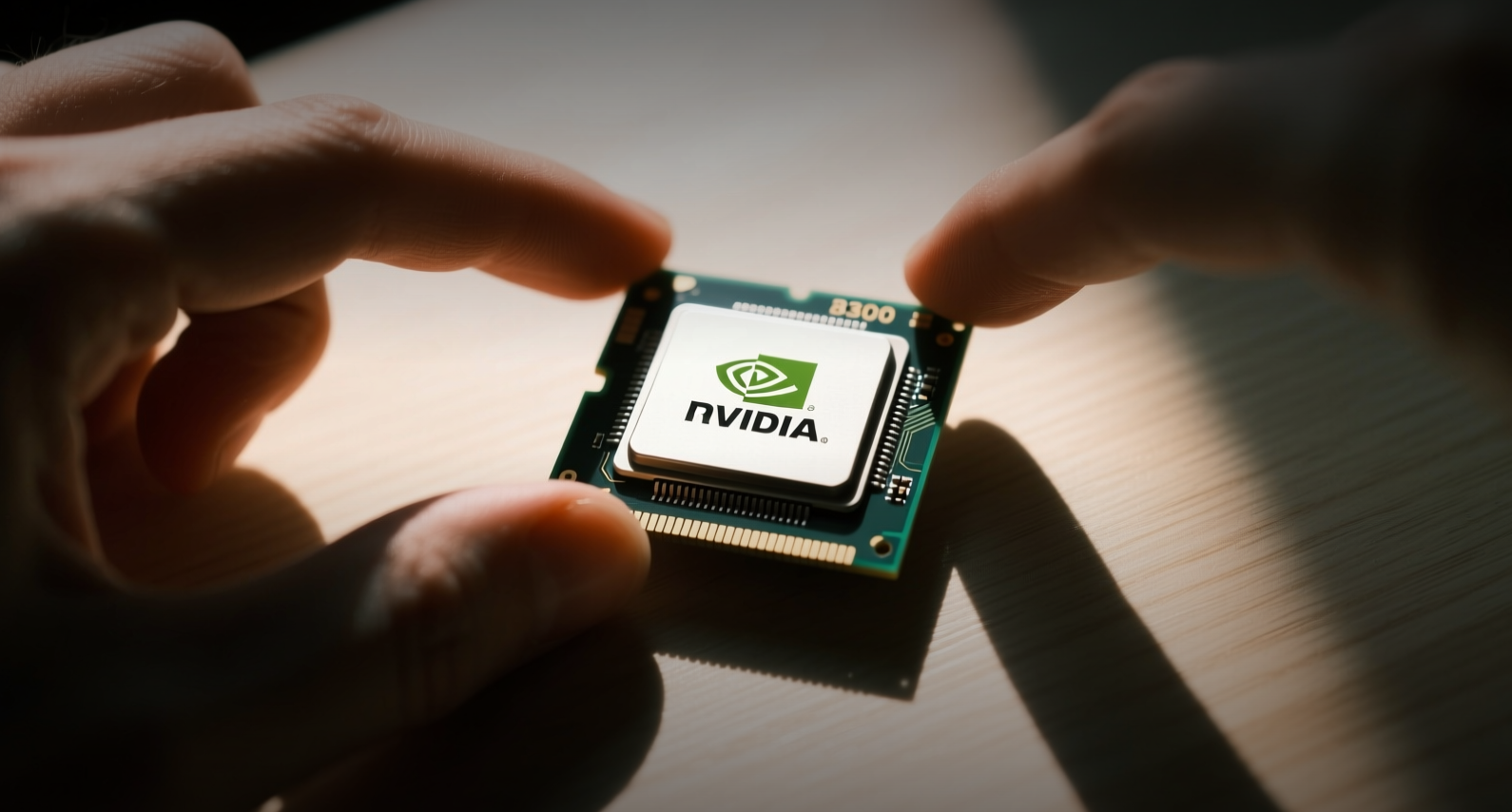
Solstice and TensorX jointly announced a $1 billion financing round on June 25 dedicated to building sovereign AI compute capacity within the European Union, as regulated enterprises increasingly demand infrastructure that keeps sensitive data under European jurisdiction.
"European companies don't want to make a political statement about their AI stack. They want to make a practical one," Tim Grant, Executive Chairman at TensorX, said. "Their data has to stay in Europe, on infrastructure they can trust, under laws they are required to comply with."
The financing will fund deployment of NVIDIA Blackwell GPUs, including the latest B300 chips, across data centers in Dublin and Helsinki, with planned expansion into Germany, France, the UK and the Nordic region. TensorX, an Irish startup founded by Shane Morton, launched earlier this week with an initial €8 million commitment and is targeting enterprises in finance, healthcare and legal services — sectors where GDPR compliance and the EU AI Act impose strict data residency requirements.
The investment comes as European organizations accelerate their shift toward local AI infrastructure. Accenture estimates that 62% of European organizations are now seeking sovereign AI solutions, rising to 76% among banking institutions. Gartner forecasts that 75% of European enterprises will move AI workloads to local providers by 2030, while IDC projects European AI spending will reach $144.6 billion by 2028.
Why sovereign AI matters now
The core driver is AI inference — the computational process behind every chatbot response and AI-generated output — which requires real-time data processing that many enterprises are unwilling to route through US-headquartered cloud providers. The US CLOUD Act can compel American companies to hand over customer data to US authorities regardless of where it is stored, creating legal uncertainty for European organizations handling proprietary information, customer records or commercially sensitive data.
TensorX addresses this by operating entirely on dedicated infrastructure with zero data retention — no customer data is stored, logged or reused. The company is already generating revenue from paying customers including APEX, TradeLocker and Cor Prime, and is part of the NVIDIA Inception program while working with Dell to source GPU hardware.
The sovereign AI trend is not limited to startups. SUSE and Openchip signed a memorandum of understanding on June 25 to develop Europe's first enterprise-grade sovereign technology stack pairing RISC-V hardware with open-source software, backed by €111 million in EU NextGen Funds. The US government is also moving toward direct equity stakes in AI companies — the Treasury holds roughly 20 private company stakes across semiconductors and minerals, with the Intel deal alone worth $8.9 billion for a 9.9% stake — though the European approach emphasizes regulatory compliance over financial ownership.
Investment implications
The $1 billion commitment signals that sovereign AI infrastructure is transitioning from a niche compliance requirement to a mainstream market. For NVIDIA, the deal represents continued demand for its Blackwell GPUs at a time when global supply remains constrained. For European cloud providers and data center operators, the financing validates a thesis that regulatory tailwinds can offset the scale advantages of US hyperscalers like Amazon Web Services, Microsoft Azure and Google Cloud.
TensorX's Morton has personally committed €4 million toward NVIDIA hardware procurement, with €2 million already delivered and a further €2 million on order. The company is in advanced discussions regarding a broader financing facility to support European-wide rollout, reflecting what Morton described as demand "outpacing supply across Europe."
Whether sovereign AI infrastructure can match the cost efficiency of hyperscale cloud remains an open question. But for enterprises facing regulatory deadlines under the EU AI Act, the choice may increasingly be driven by compliance requirements rather than price optimization alone.
This article is for informational purposes only and does not constitute investment advice.
