
Key Takeaways:
- S&P 500 per-share earnings jumped 53% in Q2, sales up nearly 16%
- Tariff refunds add about 0.2 percentage point to Q3 GDP growth
- Companies raised profit guidance over cuts by a 2-to-1 margin
Key Takeaways:
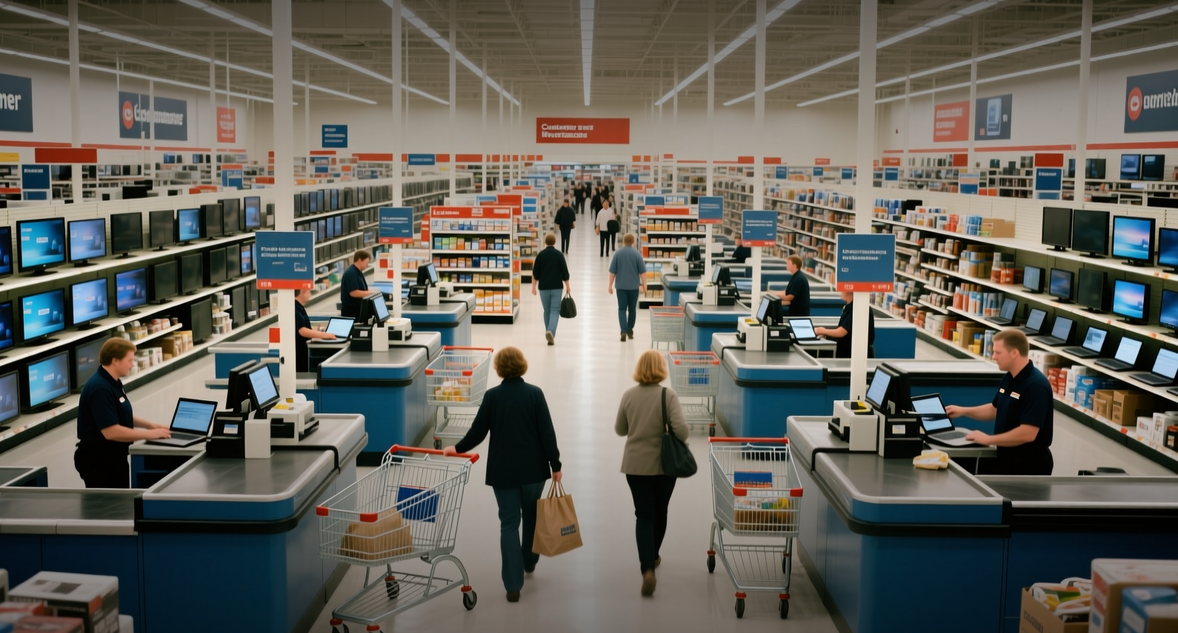
S&P 500 per-share earnings jumped 53% in the second quarter from a year earlier, while sales climbed nearly 16%, according to LSEG data.
"It's hard to describe this as anything other than an investment boom," Sameer Samana, head of global equities and real assets at Wells Fargo Investment Institute, said. "It seems like the boom will continue into next year."
Investment gains from Amazon.com and Alphabet added to the surge; even excluding those, earnings rose the most since fall 2021. By a nearly 2-to-1 margin, more companies raised profit guidance for the current quarter than lowered it, a reversal from a year ago. Tariff refunds are providing a temporary tailwind, likely accounting for more than 4% of third-quarter economic growth, or about 0.2 percentage point of the Atlanta Fed's 4% to 5% forecast, according to Apollo Global Management.
The strength has lifted valuations even as the S&P 500's forward price-to-earnings ratio eased to 20.2 from about 22 at the end of 2025, per LSEG. The benchmark index has gained about 12% this year, closing Tuesday at 7,677.28, and strategists polled by Reuters expect it to end 2026 at 7,900.
Retailers across the economy reported strong quarterly sales. Dollar General posted a fifth consecutive quarter of higher traffic and a 3.5% increase in comparable sales, while Best Buy lifted sales and profit on computers, TVs and AI-enabled glasses. Target reported higher sales and profit, helped by tariff refunds and demand for toys, food and beauty products.
Abercrombie & Fitch raised its full-year estimates after consumers kept buying even as the retailer pared back discounts, with about $120 million in expected tariff refunds. At Garmin, $21 million in refunds boosted profit margins; Chief Executive Clifton Pemble said gross margin performance was "impressive by any historical comparison."
Walmart used part of its roughly $2.9 billion in tariff refunds to lower prices and raised full-year estimates, even as same-store sales grew at their slowest pace in more than six years. Chief Financial Officer John David Rainey called it "arguably a softer consumer environment than in February." Dollar General's CEO Todd Vasos said its core customers "continue to be financially constrained."
Some retailers lagged. Gap's quarterly sales fell, hurt by Old Navy and Athleta, though the company still raised full-year earnings estimates. Government retail-sales data for July showed overall softening, and a Conference Board measure of consumer confidence slipped in August.
The guidance raises show management expects demand to hold, but the reliance on tariff refunds and AI spending carries risk. "As long as the AI boom continues and the stock market continues to be elevated, and we continue to have strong consumer income growth, the consumer will continue to be in good shape," Apollo Global Management chief economist Torsten Slok said. If the promise of AI fails to justify the investment, "we will be having a different conversation." Investors will watch Fed Chairman Kevin Warsh's speech at Jackson Hole on Friday and the midterm elections in early November.
This article is for informational purposes only and does not constitute investment advice.
