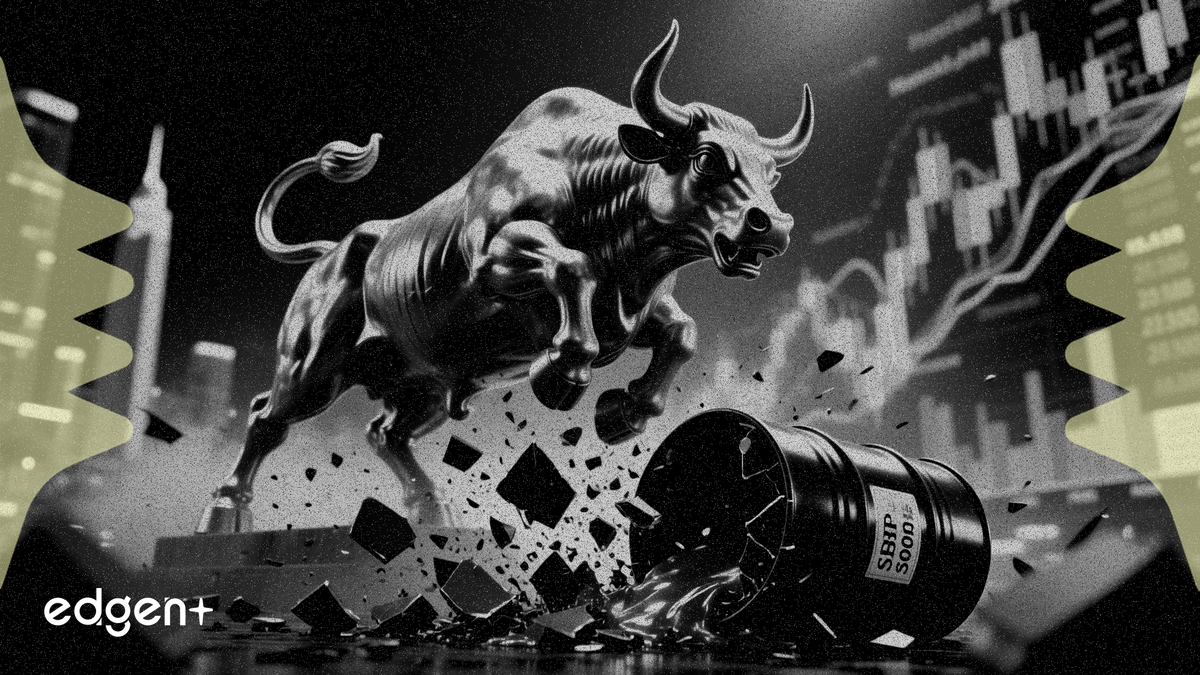
The S&P 500 rallied 2.4 percent on Friday to close its best week of the year after Iran’s reopening of the Strait of Hormuz sent oil prices into a freefall, easing inflation fears.
"The $20 war premium that has been baked into oil prices evaporated in a single session," said James Sterling, Chief Energy Strategist at Global Macro Research. "For equities, this acts like a massive, unexpected tax cut for corporations and consumers, directly challenging the narrative of persistent inflation."
The market’s reaction was swift and broad. Brent crude, the international benchmark, plunged 14.2 percent to settle at $82.70 a barrel, unwinding a seven-week rally built on geopolitical risk. In response, all 11 sectors of the S&P 500 finished positive, with the Transportation and Consumer Discretionary sectors leading gains. The CBOE Volatility Index (VIX) fell sharply, and trading volume was well above its 20-day average.
The de-escalation provides significant relief to a global economy that was bracing for a prolonged energy shock. With nearly 21 million barrels of oil per day—roughly 25 percent of global seaborne trade—now set to resume flowing through the critical chokepoint, the focus shifts to how quickly lower energy costs will filter through to corporate earnings and consumer prices ahead of the Federal Reserve's April 29 meeting.
Oil Market Reverses Course
The agreement, announced Friday, ends a naval blockade that began in late February and had effectively removed a significant portion of global supply from the market. The shutdown had pushed crude oil past $115 per barrel at its peak, according to data from the International Energy Agency. The reopening eliminates the immediate threat of a wider conflict that could have crippled the global economy.
The impact was most visible in the energy markets. West Texas Intermediate (WTI), the U.S. benchmark, fell 13.8 percent to near $78.50 a barrel. The move provides a direct tailwind for fuel-intensive industries.
Transportation Sector ETF Surges
One of the clearest beneficiaries of the oil price collapse is the transportation sector. The iShares Transportation Average ETF (IYT), which tracks an index of U.S. airlines, railroads, and trucking companies, is expected to see significant inflows. Fuel is often the largest or second-largest operating expense for these businesses.
For example, a sustained drop in jet fuel prices directly boosts the profitability of major airlines like United Airlines (UAL) and Delta Air Lines (DAL). Similarly, trucking firms, which consume vast amounts of diesel, will see immediate cost relief, potentially leading to higher margins and improved earnings guidance in the coming quarters.
The deal remains a "durable ceasefire" rather than a permanent treaty, and any renewed tensions could quickly reverse the market's gains. However, for now, the reopening of the Strait of Hormuz provides a powerful disinflationary impulse that supports the case for a Federal Reserve interest rate cut later this year.
This article is for informational purposes only and does not constitute investment advice.