

Key Takeaways:
- SpaceX raised $75 billion in its IPO and $25 billion in bonds shortly after
- All three rating agencies assigned investment-grade ratings to the debt
- The stock fell 16% as investor enthusiasm waned after the capital raises
Key Takeaways:
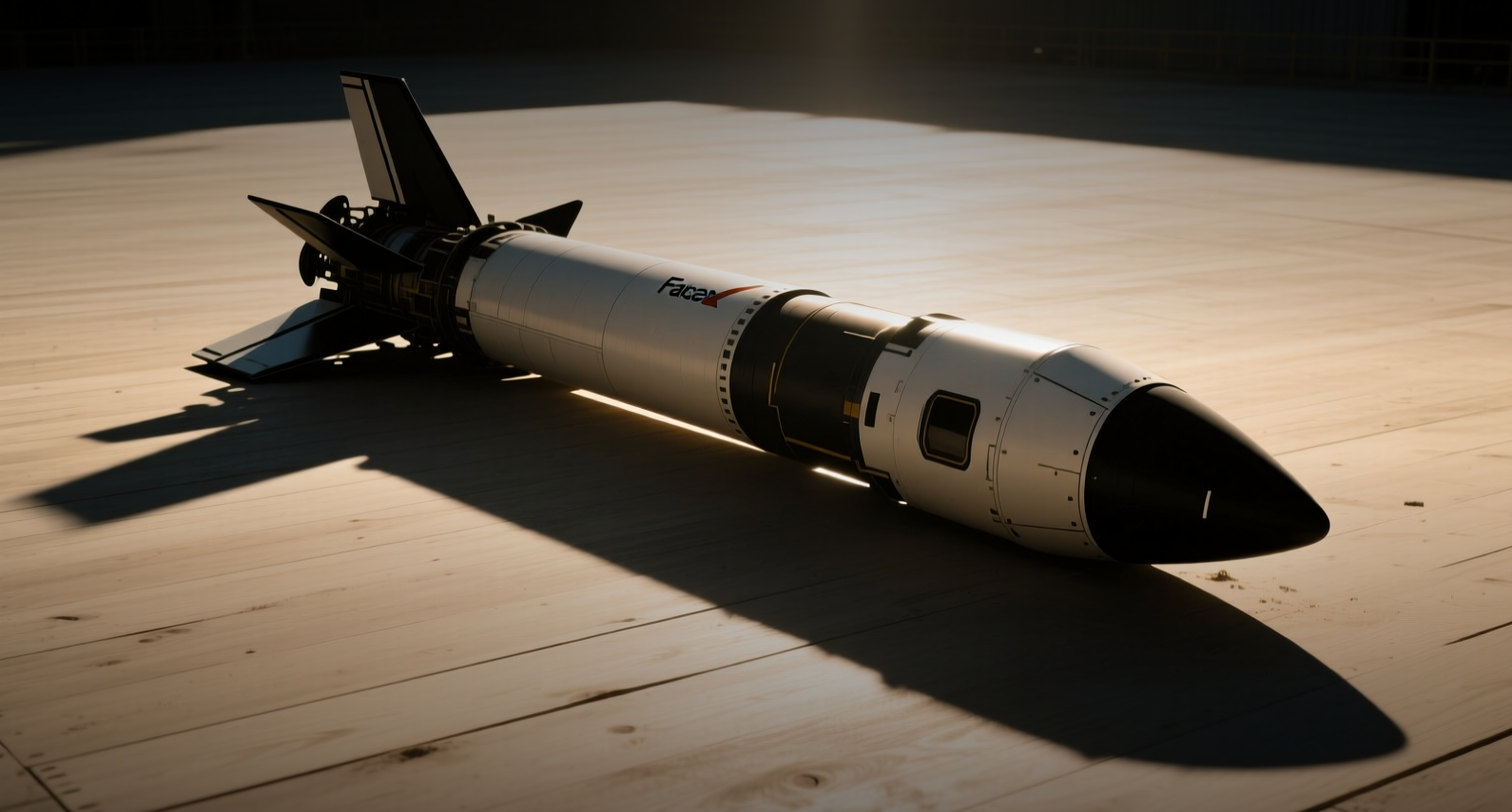
SpaceX raised $85.7 billion in its IPO and a subsequent $25 billion bond offering, yet the stock has fallen 16% as Wall Street's initial euphoria gave way to scrutiny of the company's heavy capital needs.
"The market got ahead of itself on the IPO, and the bond issuance reminded investors that this is still a money-losing startup with enormous capital requirements," said Tom Brennan, an IPO and M&A analyst at Edgen.
Space Exploration Corp. (NASDAQ: SPCX) priced its initial public offering at a valuation that raised $75 billion from investors, or $85.7 billion including the overallotment granted to underwriters. Shares rose sharply in the first days of trading before retreating toward the offer price. The company then issued $25 billion in investment-grade bonds — rated as such by all three major agencies — to fund its space-based operations and artificial intelligence ambitions. The stock dropped after the debt sale.
The disconnect between credit quality and equity performance highlights a tension at the heart of the SpaceX story. The company's Starlink telecommunications business is profitable, according to its IPO prospectus, but its core space launch and AI operations are not. CEO Elon Musk's plans require massive capital spending for years before generating returns, a timeline that clashes with the short-term expectations baked into the IPO frenzy. The broader AI trade has also faced increasing investor scrutiny, compounding the pressure on SpaceX shares. One positive signal: the company is being added to major indexes, which should provide buying support from passive funds.
The Capital Stack Grows Heavier
SpaceX is not alone in turning to debt markets to finance AI infrastructure. Six AI-focused companies — Amazon, Alphabet, Meta Platforms, Nvidia, Oracle, and SpaceX — have collectively issued $182 billion of investment-grade bonds during 2026, according to Bloomberg data, a roughly 1,300% increase from the $13 billion raised during the same period last year. Those six companies now account for nearly 15% of all U.S. corporate bond issuance this year.
The borrowing reflects a simple reality: AI infrastructure costs hundreds of billions of dollars before it produces meaningful returns. For SpaceX, the challenge is compounded by the dual demands of space exploration and AI data center construction. The company was upfront in its prospectus about the need for future capital spending, which partly explains the $25 billion debt raise so soon after the IPO.
For investors, the question is whether today's spending produces tomorrow's revenue. If SpaceX's AI and space operations generate sufficient returns, the current capital raises could look well-timed. If adoption develops more slowly than expected, the balance sheet could come under greater pressure. With the stock hovering near its IPO price and the next catalyst likely years away, the shares remain a bet on Musk's long-term vision rather than near-term financial performance.
This article is for informational purposes only and does not constitute investment advice.
