
Standard Chartered (Hong Kong)-led Anchorpoint Fintech is expected to launch HKDAP, a Hong Kong dollar-pegged stablecoin, by the end of July 2026 — the first major bank-backed stablecoin in Asia's largest offshore dollar market.
Standard Chartered (Hong Kong)-led Anchorpoint Fintech is expected to launch HKDAP, a Hong Kong dollar-pegged stablecoin, by the end of July 2026 — the first major bank-backed stablecoin in Asia's largest offshore dollar market.
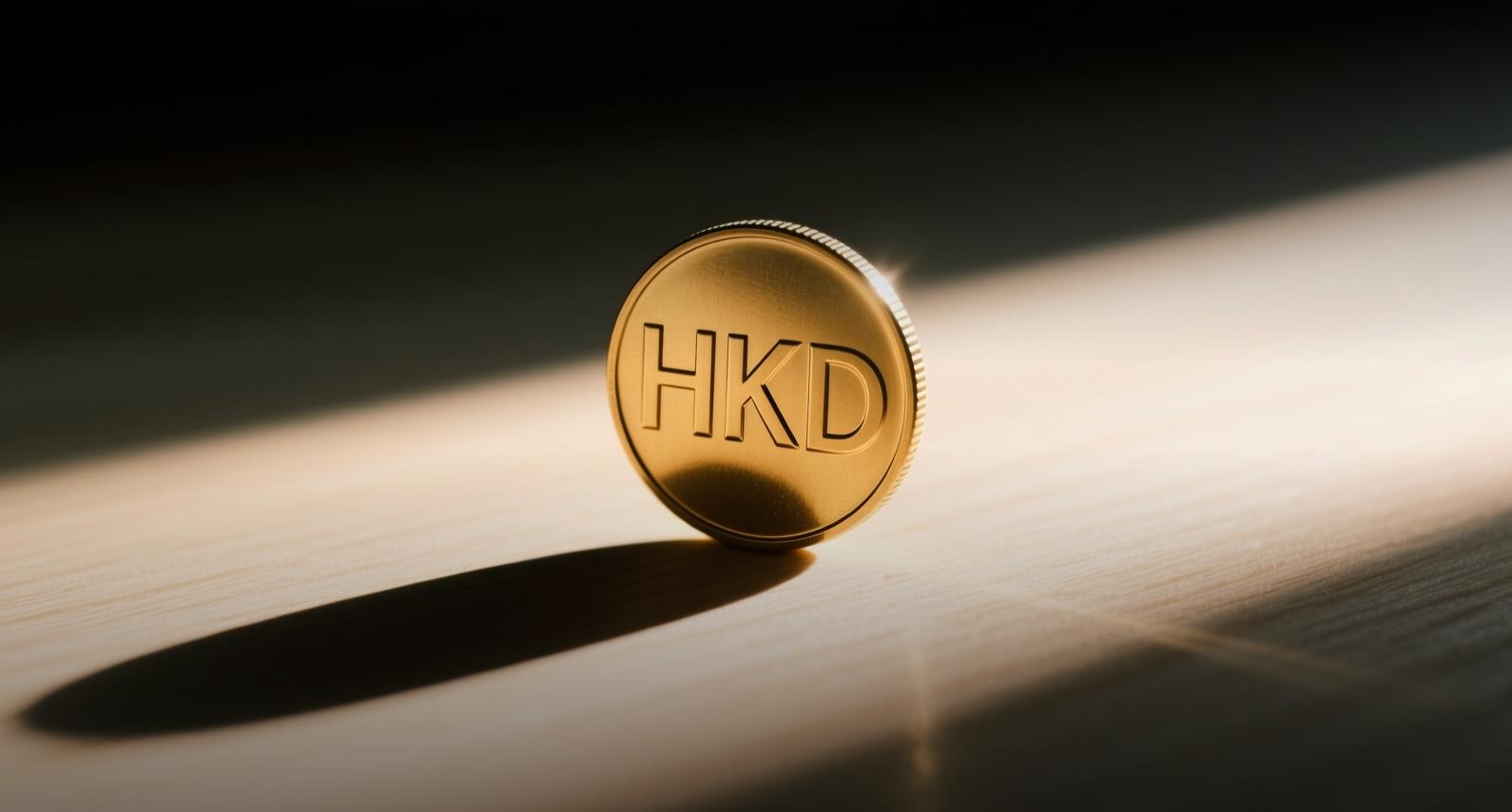
Standard Chartered (Hong Kong)-led fintech Anchorpoint is expected to announce the launch of HKDAP, a Hong Kong dollar-pegged stablecoin, by the end of July 2026, according to a Hong Kong media report. The move would make it the first major bank-backed stablecoin issuer in Asia's largest offshore dollar market.
"The stablecoin market has exceeded $300 billion in total circulation by mid-2026, and Hong Kong is positioning itself as a regulated hub for digital asset innovation," Adrian Cachinero, co-founder of Steakhouse Financial, which manages more than $4 billion in blockchain-based smart contract vaults, said at a London finance conference on July 17. "Banks that wait for full regulatory clarity before entering the market risk ceding first-mover advantage to crypto-native issuers."
HKDAP would be fully backed by Hong Kong dollar reserves and operate under the Hong Kong Monetary Authority's stablecoin sandbox framework, which the HKMA launched in March 2024. The sandbox allows authorized institutions to test stablecoin issuance under supervised conditions before a full licensing regime takes effect. Standard Chartered has not disclosed the reserve composition or custody structure for HKDAP, though industry standards for fiat-backed stablecoins require 1:1 backing in cash or short-dated government securities.
The timing coincides with a pivotal moment for global stablecoin regulation. Six U.S. federal agencies — the OCC, FDIC, NCUA, Treasury, FinCEN, and OFAC — missed the July 18, 2026 statutory deadline to finalize implementing rules under the GENIUS Act, leaving the world's largest stablecoin market operating under proposed rather than final rules. The GENIUS Act will take effect by Jan. 18, 2027, at the latest, but the delay creates a window for jurisdictions like Hong Kong to attract issuers seeking regulatory certainty.
Why Hong Kong matters for stablecoins
Hong Kong's approach differs from the U.S. in a critical respect: the HKMA sandbox provides a clear pathway to licensed issuance, while U.S. stablecoin issuers face a fragmented framework split between federal and state regulators. Circle secured OCC approval for a national trust charter in July 2026, but most issuers still operate under state-level money transmitter licenses with no federal preemption.
The Hong Kong dollar is the 10th most traded currency globally, with an average daily turnover of about $50 billion, according to Bank for International Settlements data. A regulated HKD-pegged stablecoin could capture a share of the city's $700 billion in annual payment and settlement flows, particularly in cross-border trade finance and remittance corridors connecting Hong Kong to mainland China and Southeast Asia.
Standard Chartered's move also reflects a broader convergence between traditional banking and crypto infrastructure. Naveen Mallela, Standard Chartered's global head of payments, speaking in a personal capacity at the same London event, described a future where users hold stablecoins, tokenized deposits, and money market funds in a single wallet rather than maintaining separate bank and brokerage accounts. "Rather than having bank accounts with individual banks, you would have a wallet where you'll have cash, tokenized deposits, stablecoins, all in one app," Mallela said.
What comes next
The HKMA is expected to publish its final stablecoin licensing rules in the fourth quarter of 2026, transitioning from the sandbox to a permanent regulatory regime. Anchorpoint's HKDAP launch, if confirmed by month-end, would give Standard Chartered a first-mover position in Hong Kong's regulated stablecoin market ahead of competitors including HSBC and Bank of China (Hong Kong), both of which have explored tokenized deposit initiatives but have not announced stablecoin issuance plans.
For investors, the key question is whether bank-backed stablecoins can capture market share from incumbents Tether and Circle, whose USDT and USDC together account for more than 90 percent of the $300 billion stablecoin market. Bank-issued stablecoins offer regulatory credibility and potential integration with existing payment rails, but face the structural disadvantage of not being able to pay interest to holders — a prohibition that applies under both U.S. and Hong Kong frameworks.
This article is for informational purposes only and does not constitute investment advice.
