

Key Takeaways:
- StarkWare launched Private KYC on Starknet using zero-knowledge STARK proofs
- Users verify identity without sharing full passport data with companies
- US data compromises hit a record 3,322 in 2025, a 79% increase over five years
Key Takeaways:
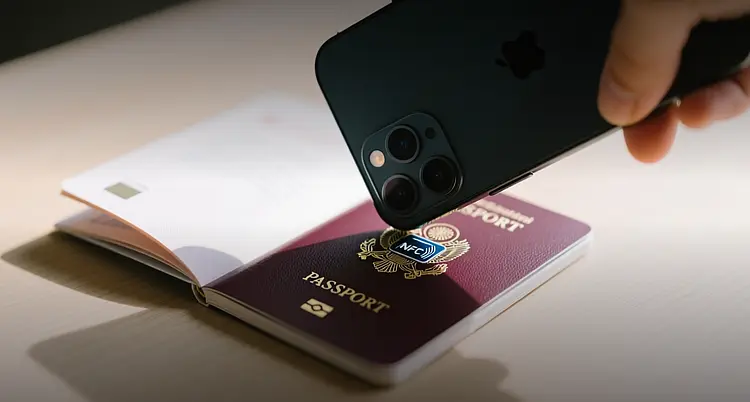
StarkWare introduced a zero-knowledge identity system on Starknet that lets users verify their identity without sharing full passport data, the company said Tuesday.
"Identity checks today ask for your whole document when they only need one fact," the Starknet team said.
Users scan their passport using a phone camera and NFC chip to confirm the document is genuine and signed by its issuing authority. Identity data is encrypted to a Starknet wallet, with selected attributes registered in a public onchain registry. Verifiers can check zero-knowledge proofs against that registry without ever seeing the underlying identity data, according to StarkWare.
The launch comes as companies face growing costs from storing personal data. The US recorded 3,322 data compromises in 2025, a 79% increase over five years, according to the Identity Theft Resource Center. IBM placed the global average cost of a data breach at $4.4 million in its 2025 report. In the US, 772 large health care data breaches were confirmed in 2025, the highest annual total ever recorded, while more than 1 billion health care records have been breached as of 2026, according to Axis Intelligence.
The system uses zero-knowledge STARK proofs and Starknet's STRK20 privacy framework, which was introduced earlier this month for ERC-20 tokens. STRK20 lets assets use shielded balances and private transfers while maintaining a path for lawful, targeted disclosure when required.
Private KYC differs from World ID, which also uses zero-knowledge proofs but relies on iris scans through hardware orbs. World ID faced criticism over centralized biometric custody, while StarkWare's self-custody model keeps identity data under user control through a Starknet wallet.
The largest data breach in crypto occurred at hardware wallet provider Ledger in 2020, when a database hack exposed more than 270,000 customer records and triggered a wave of phishing attacks that continue to this day.
Adoption will depend on legal review, app support, verifier trust and security testing. StarkWare said institutions should be able to confirm exact requirements without creating another copy of someone's identity to protect.
This article is for informational purposes only and does not constitute investment advice.
