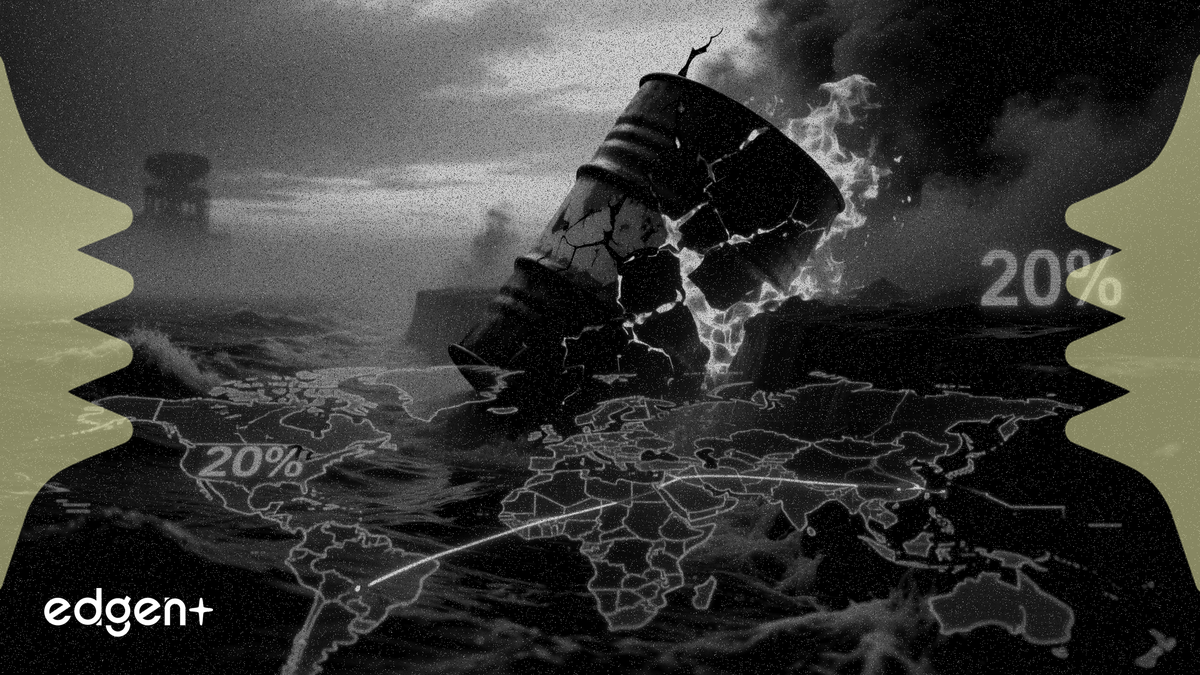
Yeniden alevlenen ABD-İran düşmanlıkları, diplomatik bir çözüm umutlarını boşa çıkararak dünya enerji arzının beşte birini kilit altına aldı.
Wood Mackenzie verilerine göre, Bender Abbas yakınlarındaki yeni ABD hava saldırıları geçici barış umutlarını paramparça ederken, günlük 11 milyon varilden fazla Basra Körfezi petrol ve kondensat üretimi ile 80 milyon metrik ton sıvılaştırılmış doğal gaz — küresel arzın kabaca %20'si — erişilemez durumda.
"Kesinti ne kadar uzun sürerse, enerji fiyatları, endüstriyel faaliyetler, ticaret akışları ve küresel ekonomik büyüme üzerindeki etkisi o kadar büyük olacak" dedi Wood Mackenzie ekonomi başkanı Peter Martin.
Brent petrol, erken barış anlaşması iyimserliğinin tetiklediği kısa süreli bir düşüşün ardından Perşembe günü varil başına 95 dolar ortalarına doğru toparlandı. 10 yıllık ABD Hazine tahvil getirisi 4 baz puan artarak %4,5'in hemen üzerine çıkarken, 30 yıllık tahvil Mayıs ayı boyunca psikolojik olarak önemli %5 seviyesinin üzerinde kaldı. Dolar, bir sepet para birimi karşısında hafifçe yükselirken, yeni 160 seviyesine doğru itti — bu, tarihsel olarak Japonya Maliye Bakanlığı'nı müdahaleye sevk eden bir eşik.
Yüksek enerji fiyatlarından kaynaklanan enflasyonist aktarım, 2026'nın ikinci yarısına girilirken baskın makro temayı oluşturuyor. Perşembe günü açıklanması beklenen Nisan ayı ABD kişisel tüketim harcamaları verilerinin, manşet enflasyonun yıllık bazda %3,8 — üç yılın en yüksek seviyesi — ve çekirdek enflasyonun %3,3 ile Fed'in %2'lik hedefinin oldukça üzerinde olması bekleniyor. Fed Guvernörü Lisa Cook Çarşamba günü enflasyonun "yanlış yönde ilerlediğini" ve bozulmanın devam etmesi halinde faiz oranlarını yükseltmeye hazır olduğunu söyledi.
İran devlet televizyonu bu hafta başında, ABD askeri güçlerinin çekilmesi ve deniz ablukasının kaldırılması karşılığında bir ay içinde Hürmüz Boğazı üzerinden ticari deniz taşımacılığının yeniden başlatılmasını öngören bir taslak çerçeve yayınladı. Beyaz Saray raporu reddetti ve Başkan Trump, uluslararası sular olarak tanımladığı bölgeye erişimi hiçbir tek ülkenin yönetemeyeceğini ileri sürdü. Bender Abbas'taki bir İran insansız hava aracı operasyonunu hedef alan yeni ABD hava saldırıları ve ticari bir gemiye yönelik dört İran saldırı drone'unun durdurulması, kısa vadeli herhangi bir diplomatik yolu ortadan kaldırdı.
Bu büyüklükte bir darboğazın en son kesintiye uğradığı — 2019'da Suudi Aramco'nun Abqaiq ve Khurais tesislerine yönelik saldırılar sırasında — petrol fiyatları tek bir seans içinde %15 yükselmişti, ancak etki geçici olmuştu. Mevcut kapatma hem ölçek hem de süre açısından daha şiddetli. Wood Mackenzie'nin analizi, uzun süreli bir kapanmanın "bir enerji krizinden çok daha fazlası" haline geleceğini ve küresel olarak endüstriyel tedarik zincirleri ve ticaret akışları üzerinde kademeli etkiler yaratacağını gösteriyor.
Enflasyon Baskıları Şiddetlenirken Merkez Bankaları Şahinleşiyor
Enerji şoku doğrudan enflasyon beklentilerine yansıyor. Nisan PCE okumasına ilişkin konsensüs tahminleri, üç yılın en yüksek manşet rakamına işaret ederken, çekirdek ölçüt Fed'in hedefinin tam bir puan üzerinde kalmaya devam ediyor. Başkan Yardımcısı Philip Jefferson, Perşembe günü Tokyo'da yaptığı konuşmada işgücü piyasasının direncini kabul etti ancak odağın "doğrudan enflasyonu %2'ye döndürmeye verilmesi gerektiğini" vurguladı.
BMI Başekonomisti Cedric Chehab, Hürmüz Boğazı'ndaki açmazdan net bir çıkış yolu bulunmadığı göz önüne alındığında, piyasaların bu baskıların ne kadar kalıcı olabileceğini hafife alıyor olabileceği uyarısında bulundu. Uzun vadeli petrol vadeli işlem eğrisi, son oynaklık boyunca inatla yüksek seyrederek piyasanın temel senaryosunun yakın zamanda çözüm değil, uzun süreli kesinti olduğuna işaret etti.
Mühendislik ve inşaat firmaları için çatışma paralel bir büyüme hikayesi yaratıyor. Bölgedeki büyük yüklenicilerden McDermott International, çatışmanın Basra Körfezi'ndeki enerji altyapı ihtiyaçlarını yeniden şekillendirmesiyle altyapı yeniden inşasında genişleyen fırsatlara dikkat çekti.
Bu makale yalnızca bilgilendirme amaçlıdır ve yatırım tavsiyesi niteliği taşımaz.