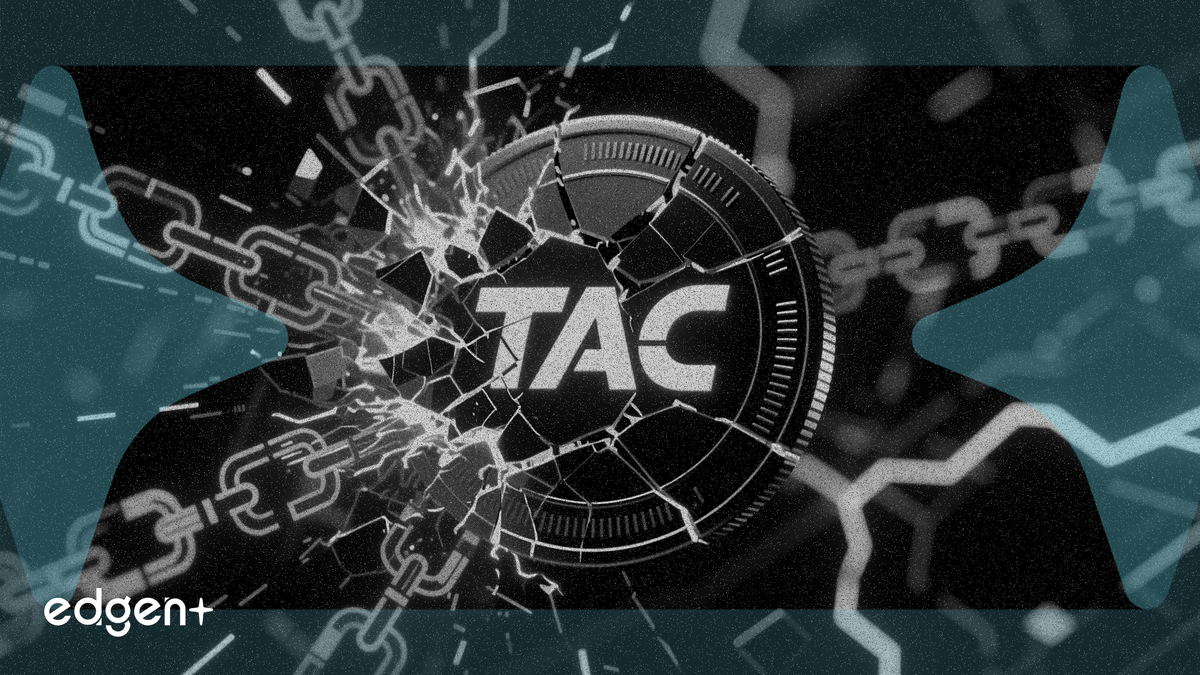
TON ağındaki TAC protokolünün çapraz zincir katmanı yaklaşık 2,8 milyon dolar tutarında istismar edildi; bu, bu yıl blok zinciri köprülerine yapılan bir dizi yüksek değerli saldırının sonuncusudur. Saldırgan, protokol geliştiricileri köprüyü durdurmadan önce USDT, BLUM ve tsTON tokenlerini boşalttı.
İhlale yanıt olarak TAC ekibi, fonların kalan %90'ının iadesi karşılığında saldırgana halka açık bir şekilde %10 beyaz şapkalı ödülü teklif etti. Ekip yaptığı açıklamada, "Köprüyü durdurduk ve bir çözüm üzerinde çalışıyoruz" dedi.
İstismar, DeFi sektöründeki bir dizi maliyetli güvenlik başarısızlığını takip ederek çapraz zincir altyapısının güvenlik açıklarına yönelik incelemeleri yoğunlaştırdı. Daha bu hafta, çapraz zincir takas toplayıcısı Transit Finance, güvenlik firması PeckShield tarafından işaret edilen bir istismarda 1,8 milyon dolar değerinde DAI stabil kripto parası kaybetti. Bu olaylar, Nisan ayında LayerZero'nun köprü teknolojisine bağlı olan ve çok daha büyük olan 292 milyon dolarlık KelpDAO istismarının hemen ardından geldi. Bu saldırının sonuçları, Solv Protokolü'nün "savaşta test edilmiş ve zamana meydan okumuş" altyapı ihtiyacını gerekçe göstererek 700 milyon dolardan fazla tokenize edilmiş Bitcoin altyapısını LayerZero'dan Chainlink'in Çapraz Zincir Birlikte Çalışabilirlik Protokolü'ne (CCIP) taşımasına neden oldu.
Bu tekrarlanan ihlaller, karmaşıklıkları ve güvence altına aldıkları büyük miktardaki varlıklar nedeniyle saldırganlar için birincil hedef haline gelen çapraz zincir köprüleriyle ilişkili sistemik riskleri vurgulamaktadır. DeFi alanı, Solv ve KelpDAO gibi birçok protokolün daha sağlam, çoklu doğrulayıcılı güvenlik modelleri sunan Chainlink CCIP gibi platformlarda standartlaşmayı seçmesiyle, güvenlik bağımlılıklarını yeniden değerlendiren protokollerin belirgin bir eğilimine tanık oldu. 2026 yılındaki kayıpların şimdiden 2,3 milyar doları aşacağı tahmin edilen devam eden istismarlar, endüstri olgunlaştıkça kurumsal düzeyde güvenliğe olan kritik ihtiyacın altını çiziyor.
Bu makale yalnızca bilgilendirme amaçlıdır ve yatırım tavsiyesi teşkil etmez.