

Tesla's Berlin Gigafactory will reach 7,500 vehicles per week by October, a 20% jump that strengthens its European manufacturing foothold.
Tesla's Berlin Gigafactory will reach 7,500 vehicles per week by October, a 20% jump that strengthens its European manufacturing foothold.
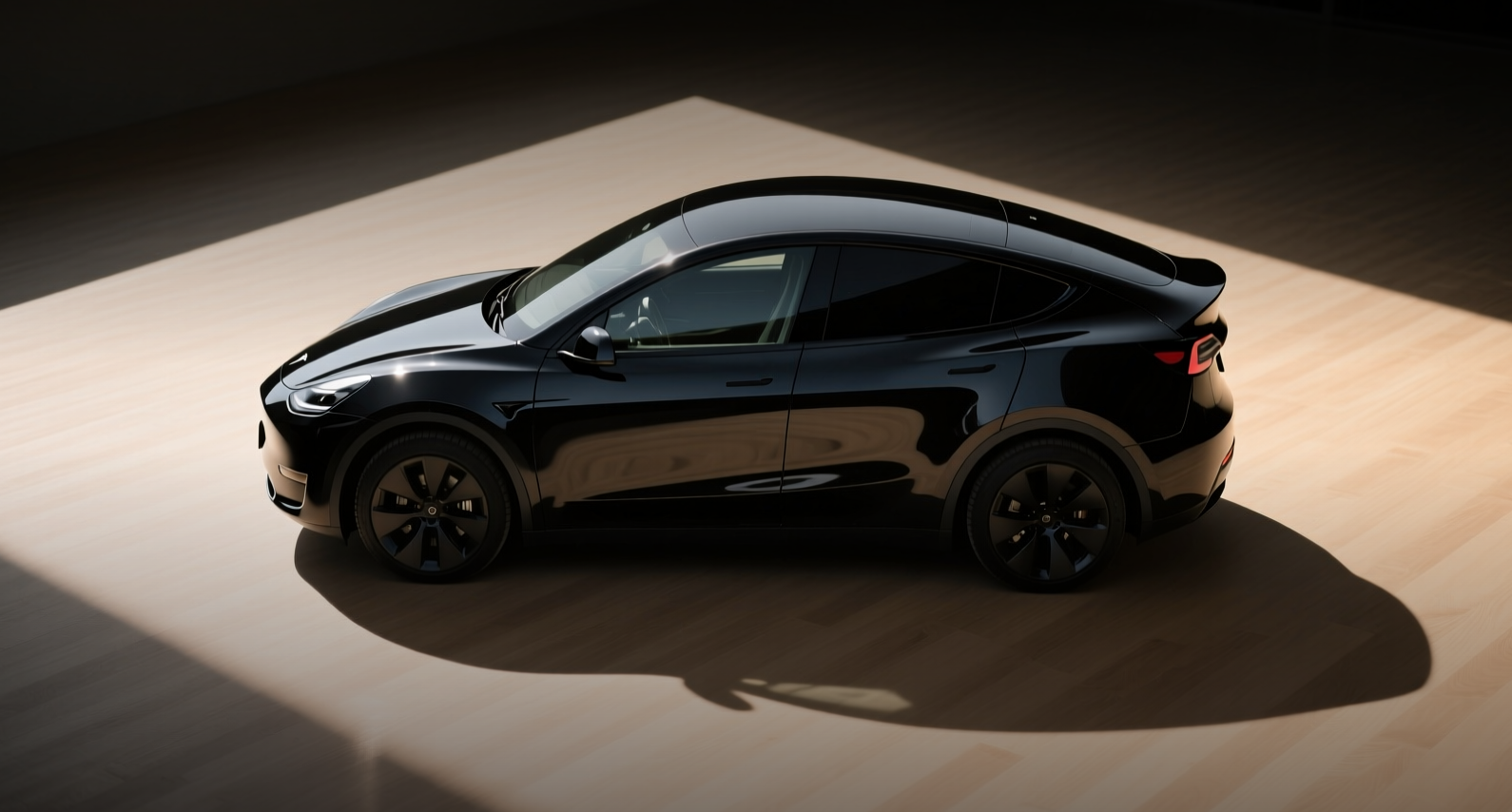
Tesla's Berlin Gigafactory will reach 7,500 vehicles per week by October, a 20% jump that strengthens its European manufacturing foothold.
Tesla Inc. plans to increase weekly production at its Berlin Gigafactory to 7,500 vehicles from October 2026, a 20% expansion that deepens its manufacturing presence in Europe as Chinese rivals gain market share in the region.
The company confirmed the target in a statement on June 25, though it did not name a specific executive as the source of the announcement.
The ramp to 7,500 units per week implies current output of roughly 6,250 vehicles, based on the 20% increase the company cited. The expansion comes as Tesla's European sales momentum builds — new-car registrations more than doubled in May to 28,610 units across the European Union, the U.K., Norway, Switzerland and Iceland, according to the European Automobile Manufacturers' Association, or ACEA. In the EU alone, Tesla sold 21,767 vehicles, also more than double from a year earlier.
The Berlin expansion positions Tesla to capture a larger share of Europe's EV market, where Chinese manufacturers such as BYD Co. and SAIC Motor Corp.'s MG brand have been gaining ground with lower-priced models. Tesla's ability to produce locally in Germany also shields it from potential EU tariff increases on Chinese-made EVs, a risk that has weighed on the sector.
The 7,500-per-week run rate would bring Berlin's annualized capacity to about 390,000 vehicles, assuming steady production. That would make the German plant Tesla's second-largest factory by capacity after Fremont, California, and ahead of the recently expanded Shanghai Gigafactory, which produces roughly 300,000 Model 3 and Model Y vehicles annually for the Chinese and export markets.
Tesla's manufacturing scale advantage has been a key pillar of its investment thesis. The company's ability to ramp production faster than legacy automakers has allowed it to lower per-vehicle costs even as it cuts prices to defend market share. Volkswagen AG, by contrast, is cutting about 50,000 jobs across its group by 2030 and reducing overcapacity to save more than 6 billion euros ($6.9 billion) annually, as CEO Oliver Blume outlined at the company's annual general meeting.
The Berlin expansion also tests Tesla's operational execution after a period of uneven production growth. The factory, which began production in March 2022, faced early delays from regulatory approvals and local opposition, but has since become a critical node in Tesla's global supply chain, producing the Model Y for European customers.
For investors, the production increase supports delivery forecasts for the second half of 2026 and beyond. Tesla shares, which have gained about 14% year to date, trade at roughly 65 times forward earnings, a premium that reflects expectations of sustained volume growth. The Berlin ramp, combined with the recent rebound in European sales, provides tangible evidence that demand and supply are aligning in the region.
This article is for informational purposes only and does not constitute investment advice.
