

Tesla pushed back volume production targets for the Cybercab, Tesla Semi, and Megapack 3 beyond 2026 while forecasting $25 billion in capital expenditures next year, widening the gap between its product ambitions and operational execution.
Tesla pushed back volume production targets for the Cybercab, Tesla Semi, and Megapack 3 beyond 2026 while forecasting $25 billion in capital expenditures next year, widening the gap between its product ambitions and operational execution.
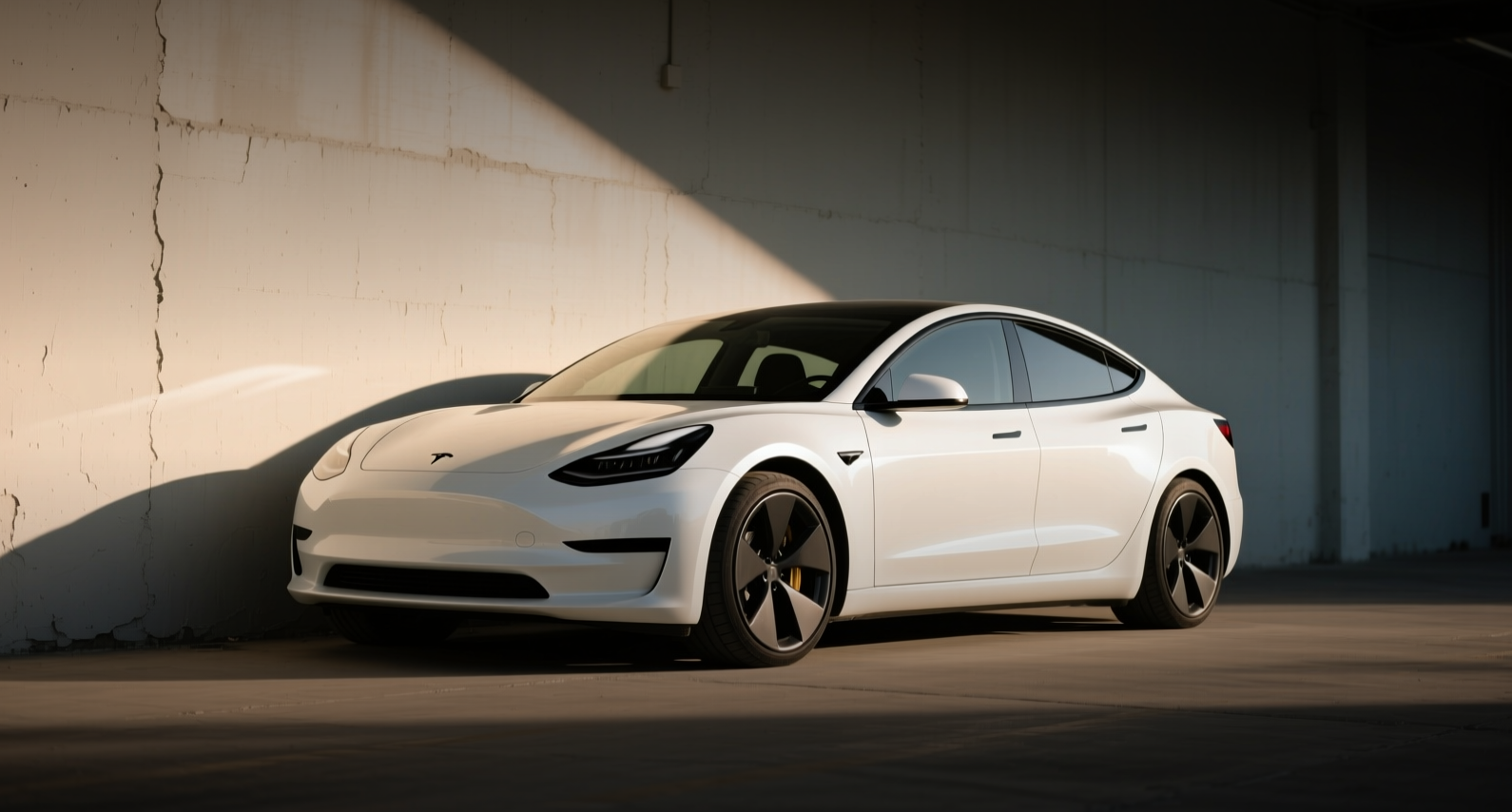
Tesla no longer expects to reach volume production of the Cybercab, Tesla Semi, or Megapack 3 in 2026, pushing three marquee products past their original targets as capital spending surges to $25 billion next year.
"Tesla is trying to increase battery production, specifically around the company's 4680 cell, in order to start building the Cybercab and Tesla Semi at scale," the company said in its Q2 2026 shareholder letter published Wednesday. Chief Financial Officer Vaibhav Taneja had previously warned that the development push would lead to negative cash flow for the remainder of the year.
The delays mark a sharp reversal from January, when Tesla said all three products would reach volume production in 2026. The company reported net income of $1.1 billion in the second quarter, down 5% from a year earlier, while operating expenses ballooned 47% to $4.3 billion. Free cash flow swung to negative $1 billion from positive $1.44 billion in the prior quarter and $146 million a year earlier.
The pullback raises questions about capital allocation at a company spending $25 billion in 2026 — roughly three times its historical annual rate — while pushing revenue-generating products further into the future. Tesla's automotive revenue rose 24% to $20.5 billion on deliveries of more than 480,000 vehicles, its best quarter since late 2024, but the margin pressure from heavy investment shows no sign of easing.
A Product Portfolio Under Pressure
Tesla started building the first production Cybercabs at its Austin, Texas factory earlier this year but said it is still constructing manufacturing lines for the Semi and Optimus. The company did not offer a reason for pushing back volume production of the new Megapack or say whether there are holdups with Optimus.
The delays come as Tesla attempts to transform from an electric vehicle maker into an AI and robotics company — a shift Chief Executive Officer Elon Musk has said would require elevated spending. Capital expenditures more than doubled in the second quarter, contributing to operating income of $398 million, down 57% from $932 million a year earlier.
Automotive Sales Hold Up, but Costs Bite
Tesla delivered more than 480,000 vehicles in the second quarter, an increase of more than 120,000 from the first quarter and its best result since the third quarter of 2024, when it delivered nearly 500,000 vehicles. Record sales in markets including South Korea, Australia, Japan, and Thailand drove the rebound.
Energy storage and solar revenue rose 13% to $3.1 billion, while subscriptions to Tesla's Full Self-Driving (Supervised) system reached 1.48 million, up 56% from a year earlier. But those bright spots were overshadowed by a 47% jump in operating expenses and negative free cash flow that Taneja had forecast would persist through year-end.
Tesla shares face competing pressures: improving delivery volumes and FSD adoption versus escalating costs and delayed product timelines. The company's $25 billion capital expenditure plan for 2026 — roughly triple historical levels — means investors may not see a return on the Cybercab, Semi, or Megapack investments for years. With the Model S and Model X now discontinued at the Fremont factory to make way for Optimus production, Tesla is betting its future on products that have yet to reach volume scale, while rivals including BYD continue to expand their EV lineups without comparable capital spending burdens.
This article is for informational purposes only and does not constitute investment advice.
