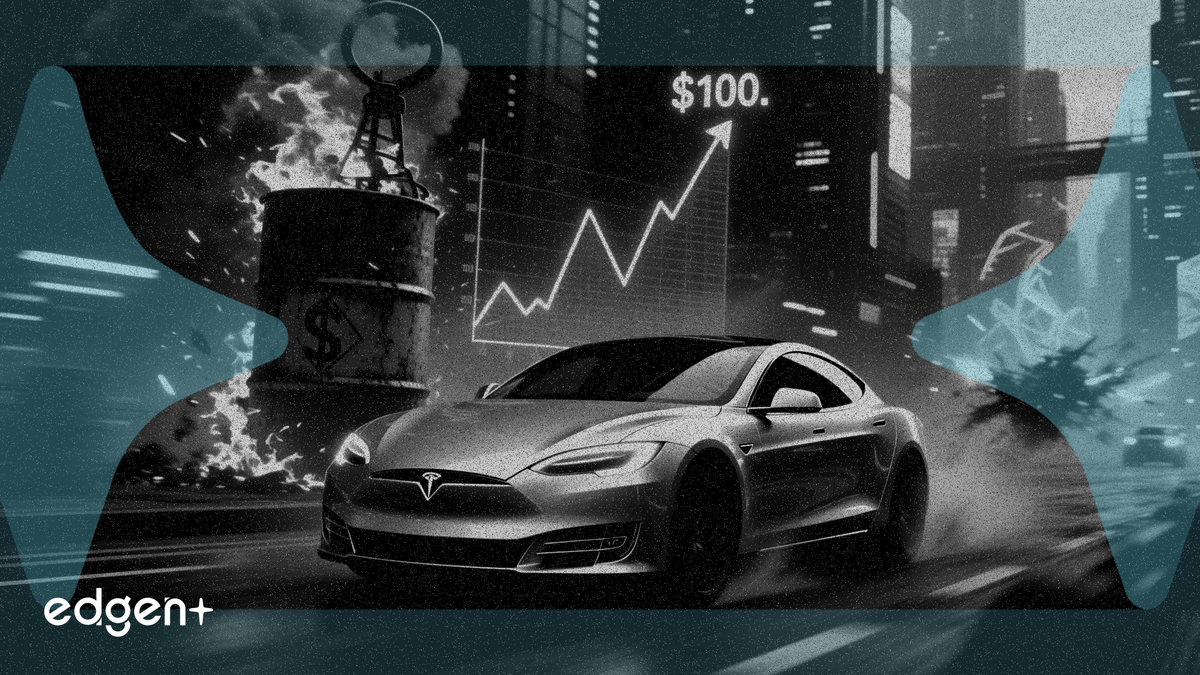
A sharp escalation in Middle East tensions has sent the global oil spigot into a squeeze, reportedly pushing prices past $100 a barrel and triggering a surge in consumer demand for electric vehicles that stands to benefit market leader Tesla Inc. (TSLA).
The sudden shock to energy markets provides a powerful, if volatile, tailwind for the entire EV sector. "For years, the argument for EVs was balanced between environmental concerns and long-term cost savings," a recent UBS market report on the auto industry noted. "A sustained period of triple-digit oil prices removes any ambiguity for consumers; the operational savings of going electric become immediate and substantial."
The conflict, which intensified on April 20, caused Brent crude, the global benchmark, to jump significantly, according to market reports. While Tesla has not yet released delivery figures reflecting this abrupt shift in consumer interest, the company's brand recognition and production scale position it as the primary beneficiary. The development puts further pressure on competitors like China's BYD Co. and Germany's Volkswagen AG to capture the wave of new buyers.
This external shock could accelerate a market rebound for Tesla, whose stock performance has been closely watched by investors. The key question for the market is whether this demand surge translates into a sustained increase in market share and improved margins, especially as legacy automakers like Ford Motor Co. and General Motors Co. navigate a costly transition away from internal combustion engines.
Legacy Automakers Face Renewed Pressure
For traditional car manufacturers, a prolonged period of high gasoline prices is a double-edged sword. While it boosts the appeal of their own developing EV lineups, it simultaneously craters demand for their most profitable products: gasoline-powered trucks and SUVs. This dynamic could compress margins and force an even faster, more expensive pivot to electrification than previously planned. The situation creates a significant advantage for pure-play EV companies, particularly Tesla, which does not have a legacy business to cannibalize.
The investor focus will now shift to upcoming quarterly delivery reports from all major automakers. Analysts will be watching to see if the anecdotal demand surge seen in the wake of the oil price spike translates into concrete sales numbers. Any confirmation of this trend would be bullish for Tesla and other EV-focused manufacturers, potentially leading to a re-rating of their stock valuations, while posing a significant headwind for industries reliant on fossil fuels.
This article is for informational purposes only and does not constitute investment advice.