Tesla Inc. is betting a roughly 10-fold expansion of its Full Self-Driving neural network will unlock round-the-clock Robotaxi service by October, a test of whether camera-only autonomy can match rivals that lean on lidar in the dark. Tesla AI chief Ashok Elluswamy said on X on Sept. 4 that the "next tech to merge on the v15 plan" would enable 24-hour operation "next month or so," the clearest near-term timeline yet for overnight driverless rides.
"Next month or so. The next tech to merge on the v15 plan will enable it," Elluswamy, vice president of AI at Tesla, said in reply to a rider seeking late-night Cybercab trips.
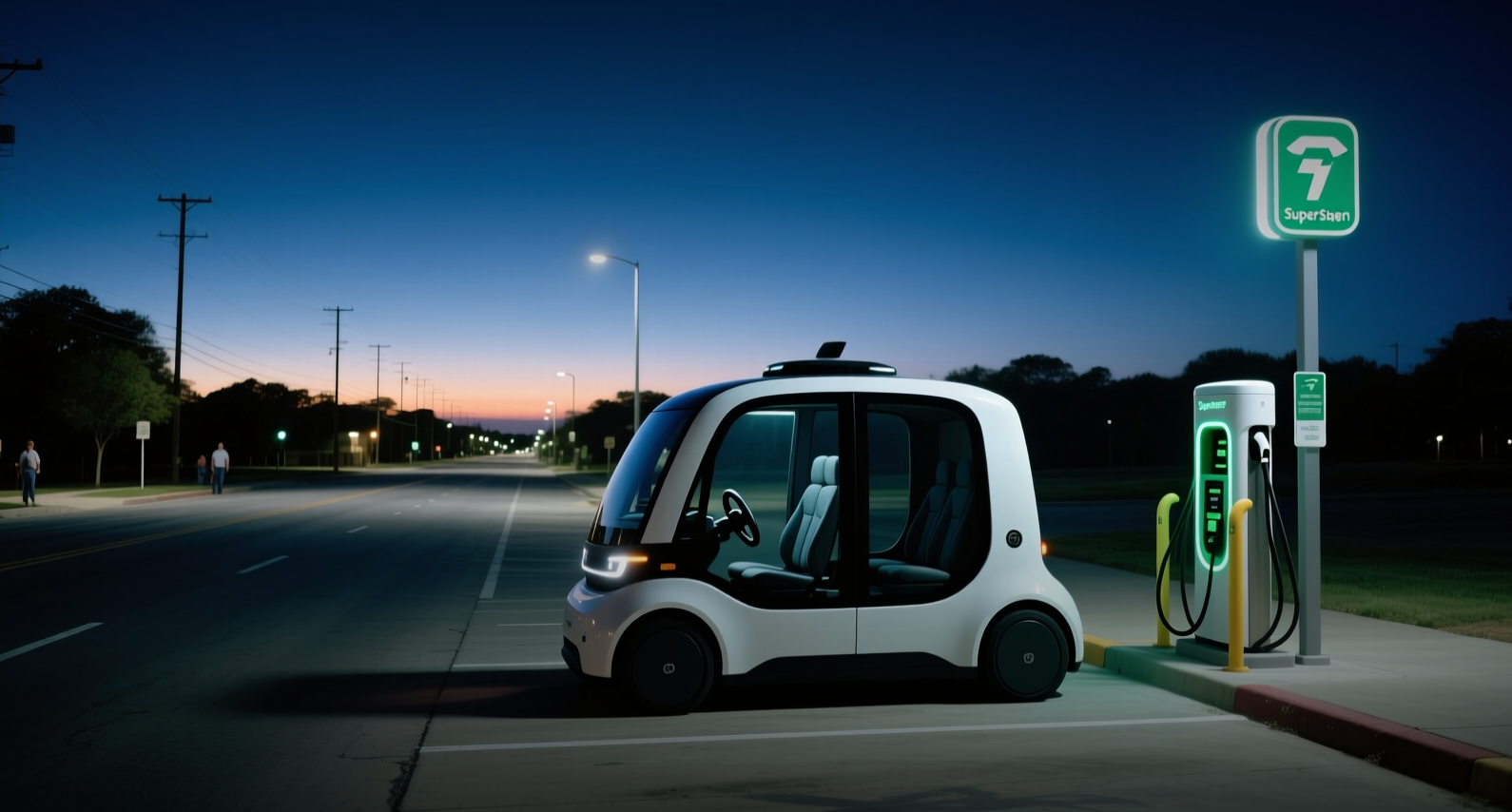
The comment landed one day after Tesla opened public Cybercab rides in Austin, where the two-seater with no steering wheel or pedals joined a paid network that currently runs 6 a.m. to 10 p.m. across six cities in Texas and Florida. Tesla describes v15 as an architecture-level step with seven parallel improvement tracks and roughly 10 billion parameters versus about 1 billion in earlier builds; early versions already on the Robotaxi fleet carry about 40 percent of the planned gains, Elluswamy said on the July earnings call.
The stakes are economic as much as technical. Extending the window from 16 to 24 hours would lift theoretical capacity by 50 percent, a key lever for unit economics where vehicle utilization spreads fixed costs across more miles. Tesla has begun charging at public Superchargers overnight and is building dedicated Robotaxi depots, timing that exploits the lowest-demand, cheapest power hours. The fleet logged more than 1 million unsupervised miles by Sept. 3, up from 380,000 in late July, though that trails Waymo's 200 million-plus rider-only miles.
Skeptics note the timing is softer than it appears. Tesla cut its operating window from 2 a.m. to 10 p.m. in August, four hours shorter, without explanation, and the fleet remains small: about 420 Robotaxis are registered in Texas, including 45 Cybercabs, versus roughly 988 for Waymo, with community trackers counting about 85 active commercial vehicles nationwide. The National Highway Traffic Safety Administration opened an audit query into the Cybercab's self-certification against federal safety standards that generally require manual controls, and Tesla has disclosed no exemption of the kind Amazon.com Inc.'s Zoox secured in July. Chief Executive Elon Musk has said Cybercab revenue is unlikely to be material before 2027.
Tesla shares rose 5 percent Thursday to a one-month high before slipping 2 percent in premarket trading Friday, as the launch drew mixed reviews. Future Fund's Gary Black called the event "largely a bust" for its thin deployment detail, while Deepwater Asset Management's Gene Munster predicted 300 Cybercabs would join Austin within a month. Tesla trades at a premium that analysts tie to autonomy optionality, making the October promise — and the NHTSA review that could delay it — the swing factor for whether the pure-vision thesis holds against Waymo's lidar-based lead in the overnight hours that remain its final frontier.
This article is for informational purposes only and does not constitute investment advice.