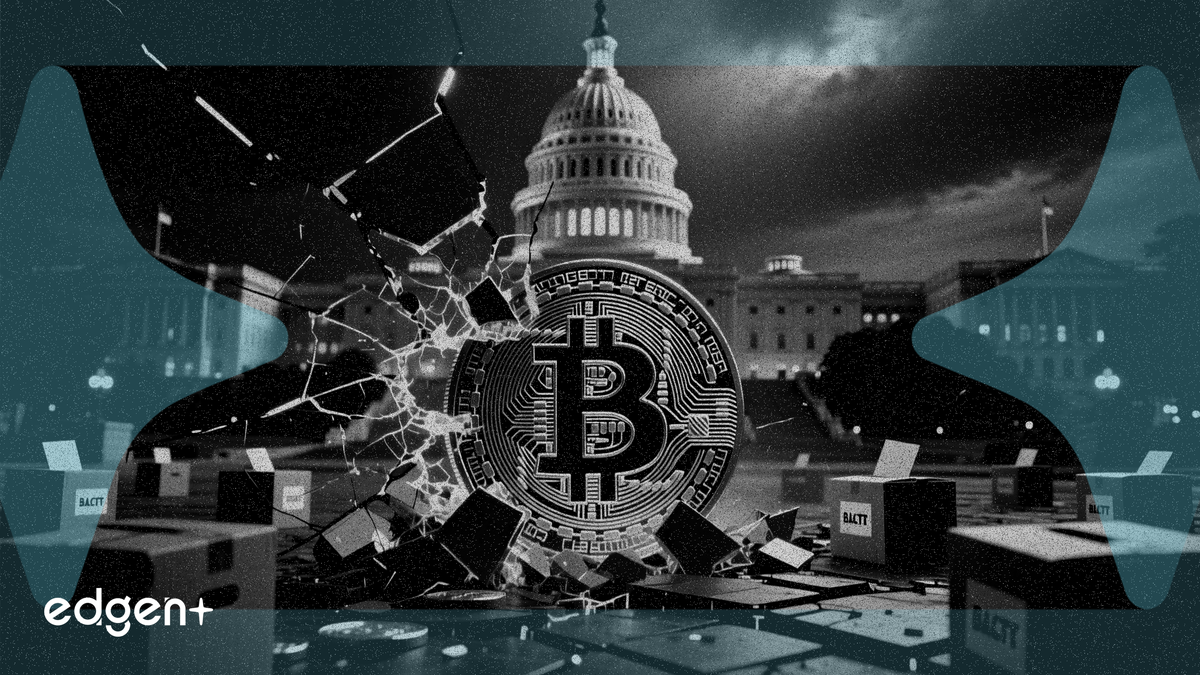
Một giám đốc điều hành cấp cao của Tether đã cảnh báo rằng cuộc bầu cử giữa nhiệm kỳ sắp tới năm 2026 của Hoa Kỳ có thể có "tác động chấn động" đối với quỹ đạo của ngành công nghiệp tiền mã hóa, có khả năng làm đảo lộn tiến trình lập pháp và quy định đáng kể đã đạt được trong năm qua đối với các dự luật như Đạo luật GENIUS.
"Tiền mã hóa không nên mang tính đảng phái", Jesse Spiro, Trưởng bộ phận Quan hệ Chính phủ tại Tether, cho biết trong một hội thảo tại hội nghị Consensus Miami 2026. "Kịch bản tốt nhất là chúng ta có những thành viên ủng hộ ngành công nghiệp, ủng hộ hệ sinh thái, ủng hộ chính sách tốt".
Cuộc thảo luận nhóm đã nhấn mạnh rằng các nhóm vận động tiền mã hóa đang chuẩn bị triển khai chi tiêu chính trị lớn và tổ chức cơ sở trước cuộc bầu cử tháng 11. Sau khi đổ hàng trăm triệu đô la vào chu kỳ bầu cử năm 2024, trọng tâm của ngành hiện là "sự bền vững", theo Colin McLaren, Trưởng bộ phận Quan hệ Chính phủ tại Viện Chính sách Solana. "Bạn có thể trả tiền đặt cọc cho một ngôi nhà, nhưng bạn phải tiếp tục trả tiền thế chấp", McLaren nói, đề cập đến nhu cầu tham gia chính trị bền vững.
Vấn đề cốt yếu là câu hỏi cơ bản về việc tiền mã hóa sẽ được quản lý như thế nào tại nền kinh tế lớn nhất thế giới, với cuộc tranh luận về lợi suất stablecoin trở thành một chiến trường then chốt. Đạo luật GENIUS đã để ngỏ việc liệu các chi nhánh hoặc bên thứ ba có thể cung cấp lợi suất hay không, một lỗ hổng mà Đạo luật CLARITY đề xuất tìm cách giải quyết bằng cách cấm các phần thưởng "tương đương về mặt kinh tế hoặc chức năng với lãi suất tiền gửi ngân hàng", theo ngôn ngữ từ các Thượng nghị sĩ Thom Tillis và Angela Alsobrooks.
Cuộc chiến chưa có hồi kết về lợi suất
Sự phân biệt giữa nắm giữ thụ động và sử dụng chủ động đã trở thành ranh giới trung tâm trong cuộc tranh luận về quy định. Các nhóm ngân hàng lập luận rằng các stablecoin mang lại lợi suất có thể thu hút hàng trăm tỷ đô la rời khỏi các khoản tiền gửi được bảo hiểm, làm giảm khả năng cung cấp tín dụng cho người tiêu dùng và doanh nghiệp. Trong các ý kiến về quy tắc đề xuất từ Văn phòng Kiểm soát Tiền tệ (OCC), họ đã lập luận cho các lệnh cấm nghiêm ngặt.
Các công ty tiền mã hóa phản bác rằng phần thưởng cho việc tham gia mạng lưới về cơ bản khác với lãi suất ngân hàng và rất quan trọng để thúc đẩy tính hữu dụng. Hội đồng Cố vấn Kinh tế của Nhà Trắng đã làm phức tạp thêm lập luận của các ngân hàng trong một báo cáo hồi tháng 4, gợi ý rằng việc hạn chế lợi suất stablecoin có thể không làm tăng đáng kể hoạt động cho vay truyền thống của ngân hàng. Điều này khiến các nhà quản lý phải điều hướng khoảng cách khi họ hoàn thiện các quy tắc cho luật tiền mã hóa mang tính bước ngoặt.
Đẩy mạnh sự bền vững về chính trị
Cỗ máy chính trị của tiền mã hóa đang tăng cường nỗ lực để đảm bảo các thành quả chính sách gần đây có thể tồn tại qua một sự thay đổi chính trị tiềm tàng. Stand With Crypto, một nhóm vận động, hiện có gần 3 triệu thành viên đang coi cuộc bầu cử là "một thời điểm giải trình", theo Giám đốc điều hành Mason Lynaugh.
"Họ sẽ xuất hiện và ủng hộ những người đã ủng hộ họ", Lynaugh nói tại hội nghị, đồng thời cho biết thêm rằng các cử tri tiền mã hóa có động lực cao và có thể xoay chuyển các cuộc đua sít sao. Chiến lược của ngành đang chuyển từ chi tiêu bầu cử một lần sang xây dựng cơ sở hạ tầng chính trị lâu dài tập trung vào các ưu tiên trong tương lai như cải cách thuế và bảo vệ cho các nhà phát triển phần mềm.
Cuộc bầu cử giữa nhiệm kỳ năm 2026 đại diện cho một bài kiểm tra quan trọng đối với sự trưởng thành về chính trị của ngành công nghiệp tiền mã hóa. Kết quả có thể thúc đẩy nỗ lực hướng tới sự rõ ràng về quy định nhằm thúc đẩy đổi mới hoặc dẫn đến một làn sóng chính sách hạn chế mới cản trở sự tăng trưởng và đầu tư tại Hoa Kỳ.
Bài viết này chỉ mang tính chất thông tin và không cấu thành lời khuyên đầu tư.