
Texas regulators must now base insurance rates on risk rather than customer behavior after Abbott ordered a price optimization ban, following a 79 percent premium rise over six years.
Texas regulators must now base insurance rates on risk rather than customer behavior after Abbott ordered a price optimization ban, following a 79 percent premium rise over six years.
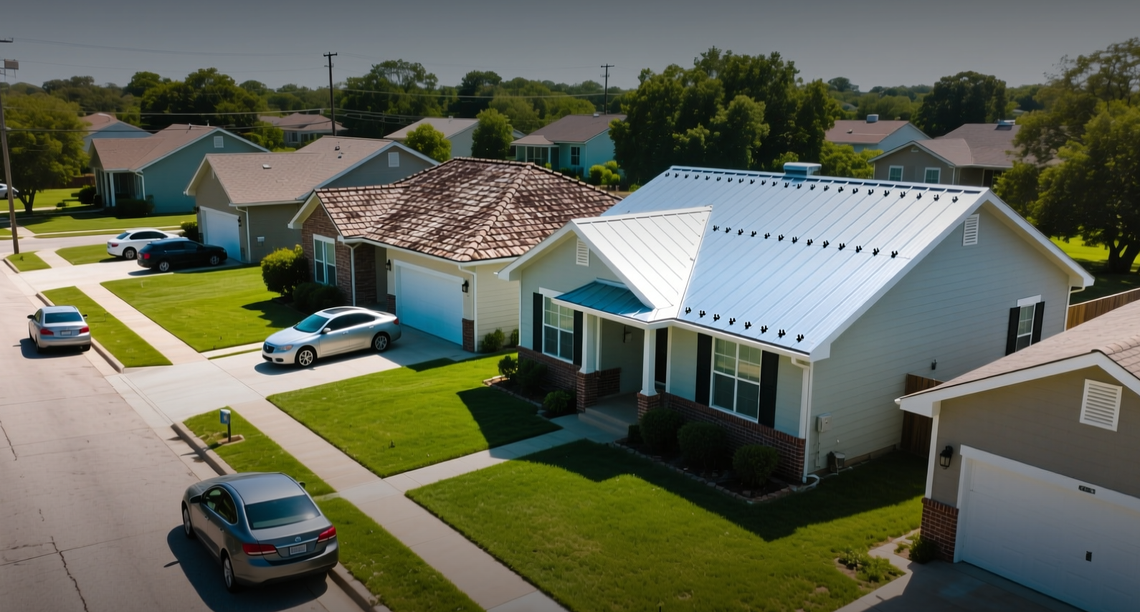
A 79 percent jump in Texas homeowners' premiums over six years has driven Gov. Greg Abbott to order the state insurance department to outlaw "price optimization," which prices based on customer behavior rather than risk.
"Price optimization drives up costs for loyal customers," Abbott said. "Insurance companies must base rates on risk, not on how much extra money they think a customer will pay."
The Texas Department of Insurance issued Commissioner's Bulletin B0007-26 reminding insurers, agents and company representatives that using price optimization in ratemaking, pricing or rating plans is considered unfairly discriminatory and violates the Texas Insurance Code. TDI Commissioner Amanda Crawford said the department will pursue enforcement action against companies that fail to comply.
The directive follows Abbott's July proposal for legislative reforms and is part of a broader affordability push ahead of the next legislative session. TDI must report back to the governor's office by Sept. 14 with recommendations on curbing excessive, unnecessary and inflated claims costs across commercial auto, personal auto and homeowner insurance markets.
Price optimization: two policyholders, same risk, different bills
Price optimization occurs when insurers set premiums based on factors unrelated to a policyholder's risk of loss or the company's expenses — such as whether a customer is likely to shop for a different policy or accept a higher premium. Under this practice, two policyholders with identical risk profiles could receive different rate increases, which Texas law prohibits.
The practice has drawn regulatory scrutiny in several states as property insurance costs have climbed nationwide. In Texas, extreme weather events including record flooding, hurricanes and wildfires have contributed to rising claims costs, according to the governor's office. The 79 percent increase in average annual homeowners' premiums over six years cited by Abbott reflects both weather-driven losses and pricing practices the state now deems unlawful.
FORTIFIED roofs, fraud enforcement and the legislative path
Beyond the price optimization ban, Abbott directed TDI to require insurers to include a home's FORTIFIED roof status in rate-setting calculations, a move designed to reward homeowners who invest in storm-resistant construction. The governor proposed establishing a Texas roof fortification program in July, which would need legislative approval when the Texas Legislature convenes next year.
Other directives prohibit insurers from refusing to write or renew residential property insurance policies based on the age of the property, including individual components such as the age of the roof. TDI was also instructed to create an Insurance Fraud Task Force to clamp down on fraudulent claims that drive up costs for all policyholders.
Abbott said he will work with the legislature when it convenes to strengthen consumer protections for insurance policyholders and address rising premiums. The governor, running for a fourth term, has been touring the state on an "affordability tour" that also covers property taxes, electricity costs, housing and tuition.
State Rep. Gina Hinojosa, a Democrat from Austin running against Abbott in November, has blamed the governor for rising costs across Texas, saying her platform would lower healthcare, grocery and utility costs and make homeownership more attainable.
For Texas homeowners, the practical implications of the directive will unfold over coming months. TDI's Sept. 14 report will shape whether additional administrative actions or statutory changes are needed, and the enforcement posture on price optimization could affect how insurers structure future rate filings. The ban applies to all TDI-regulated insurance products, meaning auto, homeowners and commercial lines are all covered. Homeowners should review renewal notices for compliance with risk-based rate-setting rules and monitor TDI bulletin updates, as insurance rates, policy terms and regulatory guidance can change. Readers should verify current information against the latest official announcements from the Texas Department of Insurance.
This content is for informational reference only and does not constitute professional advice.
