
Key Takeaways:
- H1 revenue RMB 2.83B, up 15% YoY; net profit RMB 1.20B, up 34%
- Passive optical components grew 77% YoY; gross margin hit 60.7%
- Material shortages capped active output; FX losses widened to RMB 86M
Key Takeaways:
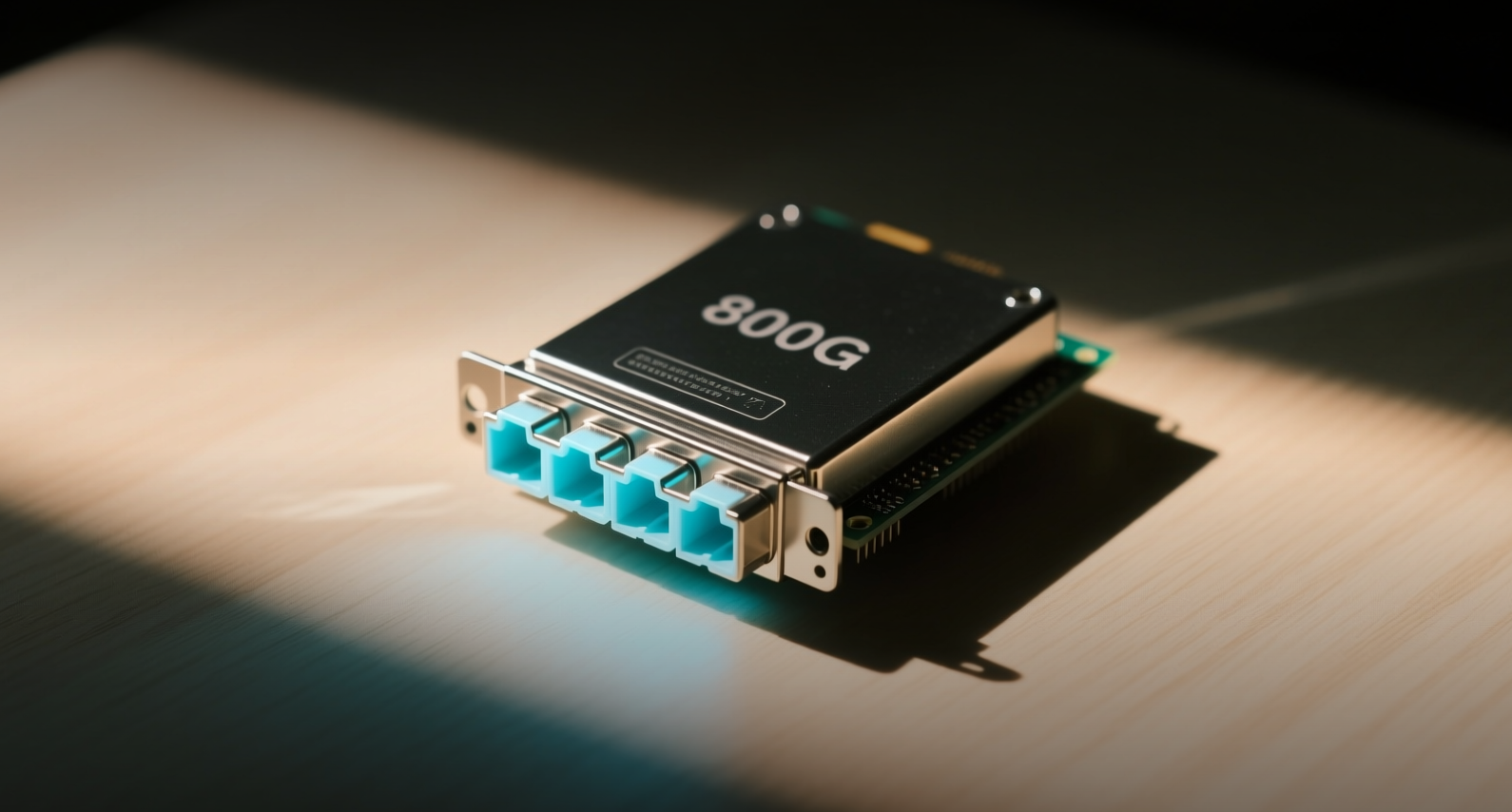
TFC Optical Communication reported H1 net profit of RMB 1.20 billion, up 34 percent year over year, as AI data center buildouts drove optical component demand.
The company attributed growth to global AI industry acceleration and data center construction driving sustained demand for high-speed optical devices, according to its semi-annual report filed Aug. 19.
Passive optical components revenue rose 77 percent to RMB 1.53 billion, while active optical components contributed RMB 1.26 billion. Overall optical interconnect gross margin expanded to 60.67 percent from 50.54 percent a year earlier. R&D spending climbed 55 percent to RMB 195 million, representing 6.89 percent of revenue.
The results reinforce the AI infrastructure investment thesis for optical component suppliers. TFC said key material supply constraints limited active component production, and currency volatility produced RMB 85.85 million in FX losses. The company declared a dividend of RMB 5 per 10 shares, totaling about RMB 545 million.
Net profit excluding non-recurring items reached RMB 1.19 billion, up 37 percent. Operating cash flow rose 65 percent to RMB 1.00 billion. Second-quarter net profit of RMB 712 million was up 44 percent sequentially from RMB 492 million in Q1.
The passive optical segment's 77 percent growth reflects TFC's position as the first supplier to deliver 800G and 1.6T optical engines, with core partnerships on co-packaged optics with global AI infrastructure providers. The company is also selectively expanding into lidar and biophotonics applications.
Global optical module demand is accelerating. Yole Group projects the market will grow from $23.4 billion in 2025 to $112.3 billion by 2031, a compound annual growth rate of about 30 percent in data center and AI applications. LightCounting expects Ethernet optical module shipments to rise 73 percent in 2026. Gartner forecasts global AI spending will reach $2.53 trillion in 2026, up 44 percent.
Supply chain constraints remain a watch item. TFC said individual key materials experienced tight supply, extended lead times, and price volatility, particularly limiting active optical component production. The company is addressing this through diversified sourcing and safety stock management.
TFC is expanding its dual-engine global production system across Jiangxi, China, and Chonburi, Thailand. The Thailand facility is ramping both passive and active optical component output, while the Jiangxi Phase 2 production building has been delivered. The company's new Suzhou headquarters and super factory are expected to come online starting in 2027.
The stock rose 1.7 percent on the Shenzhen Stock Exchange following the earnings release. The dividend marks the 12th consecutive year of shareholder distributions.
The margin expansion and passive component growth point to sustained pricing power in AI optical interconnects. Investors will watch whether material supply constraints ease in the second half and how FX volatility affects profitability.
This article is for informational purposes only and does not constitute investment advice.
