
Key Takeaways: The Trump administration's drug pricing push now spans 26 companies, 90 percent of the domestic market, after nine more firms signed on.
Key Takeaways: The Trump administration's drug pricing push now spans 26 companies, 90 percent of the domestic market, after nine more firms signed on.
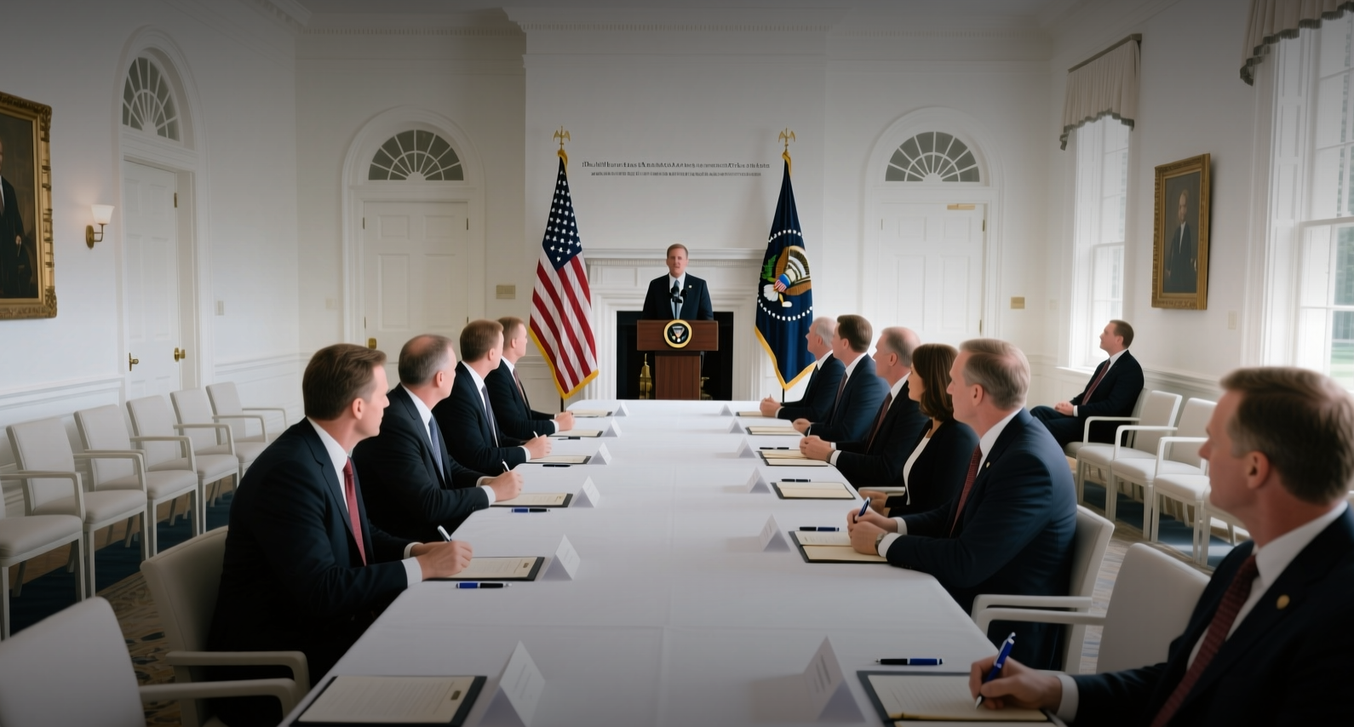
The Trump administration signed drug pricing deals with nine more pharmaceutical companies Monday, extending most-favored-nation pricing to state Medicaid programs and bringing the total to 26 firms covering 90 percent of the domestic market.
"Every drug will be at the lowest prices available anywhere in the world," President Donald Trump said at a White House event with executives of the companies, describing the discounts as "tremendous."
The nine companies — Astellas, BeOne Medicines, CSL, BridgeBio, Sun Pharmaceutical, Teva, UCB, Alcon and Kyowa Kirin — agreed to provide discounts on outpatient drugs to every state Medicaid program so prices align with what companies charge abroad. The deals cover drugs treating hemophilia, liver disease, skin conditions and certain cancers. The companies committed to invest at least $19.6 billion in US manufacturing, and Astellas, Sun Pharma, Teva and UCB agreed to donate active pharmaceutical ingredients to the federal strategic reserve, including 163 tons of the anticonvulsant levetiracetam from UCB.
The agreements build on deals struck with 17 large drugmakers including Pfizer, Eli Lilly and Amgen starting last year, part of a push the administration says could save $64.3 billion in federal and state spending over the next decade. Researchers affiliated with Harvard Medical School and the Urban Institute estimated the Medicaid pricing pilot could save states more than $8 billion annually if applied to 82 high-cost brand-name drugs.
Smaller and mid-sized drugmakers had been slow to join. A Reuters report in June found only Astellas had confirmed applying for the Medicaid pricing program, with executives at Ionis Pharmaceuticals saying they saw little financial benefit. Trump said the remaining 10 percent of the industry is "also coming in" and "have no choice."
The deals don't address costs for the more than 160 million people with employer-sponsored insurance, who face rising premiums as companies pass on higher healthcare costs. Medicaid already receives steep discounts from drugmakers under existing law, and most people covered by the program pay little out of pocket.
The most-favored-nation deals have reshaped commercial strategies across the industry. Drugmakers are spending billions to bring manufacturing back to the US to insulate themselves from tariff threats, and expanding direct-to-consumer channels including the Trump-branded TrumpRx portal. Novo Nordisk said it will take time for prescription volumes to offset the revenue dip from lower US prices.
Shares of most companies closed relatively flat Monday, while Teva and BeOne fell around 1 percent. US prescription drug prices average nearly three times higher than overseas, and branded drugs more than four times higher, according to a 2024 Rand Corp study. The trade group PhRMA has said most-favored-nation pricing isn't the best way to lower costs, blaming pharmacy benefit managers for the price disparity.
The US is the single most important market for many drugmakers regardless of home country — half of the 10 largest European pharma companies generate a majority of their sales in the US. Trump signed an executive order in May 2025 to revive the most-favored-nation policy, calling for prices to be raised outside the US to "end global freeloading." The White House has held several high-profile events with pharma executives this year to spotlight healthcare affordability before the midterm elections that will decide control of Congress.
This article is for informational purposes only and does not constitute investment advice.
