
The simmering conflict between the White House and the Federal Reserve is threatening to boil over, injecting a fresh dose of uncertainty into U.S. monetary policy just one month before a critical leadership transition.
The simmering conflict between the White House and the Federal Reserve is threatening to boil over, injecting a fresh dose of uncertainty into U.S. monetary policy just one month before a critical leadership transition.
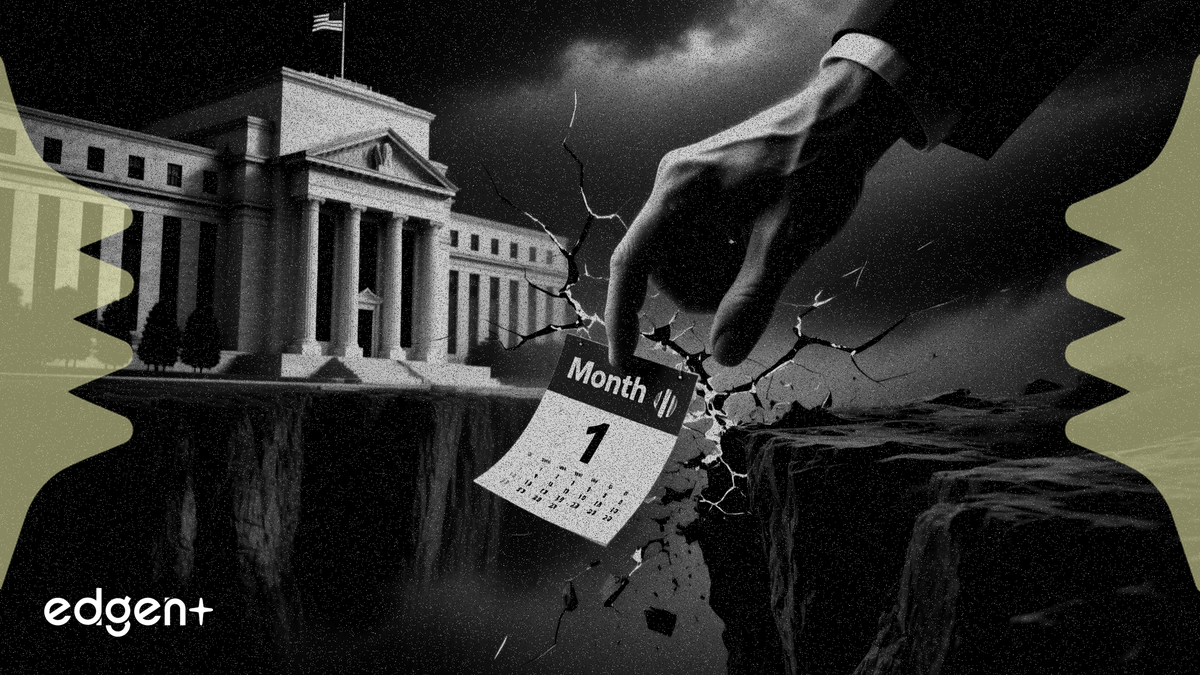
President Donald Trump on Wednesday threatened to fire Federal Reserve Chair Jerome Powell, escalating a month-long pressure campaign just before Powell's term as chair expires on May 15.
The move comes as the Trump administration is pushing for its own nominee, Kevin Warsh, to take the helm. "We want Kevin Warsh in as soon as possible," Treasury Secretary Scott Bessent told reporters on Tuesday.
Powell's term as Fed chair concludes next month, creating a potential leadership vacuum if a successor is not confirmed. Warsh's nomination, however, is stalled in the Senate. Senator Thom Tillis, a Republican on the Banking Committee, has said he will not vote to advance the nomination until a Justice Department investigation into a Fed renovation project is complete.
This standoff injects significant political uncertainty into U.S. monetary policy at a precarious time. With inflation pressures building from the war in Iran, a leadership crisis at the central bank could undermine the Fed's independence, spooking investors and potentially leading to significant market volatility.
The pressure on Powell is twofold. Beyond the public criticism from President Trump, the Fed is also dealing with a Department of Justice probe into the renovation of its headquarters, which Powell supporters see as a pretext to pressure the central bank. A federal judge has blocked DOJ subpoenas related to the investigation, adding another layer of legal complexity to the situation.
Treasury Secretary Bessent, while pushing for Warsh, has also signaled some flexibility on monetary policy in the short term. He acknowledged the uncertainty stemming from the Iran conflict and said he would understand if the Fed chose to "wait for some clarity" before cutting interest rates. This contrasts with President Trump's repeated calls for lower borrowing costs.
The path forward for Warsh's confirmation remains unclear. Without Senator Tillis's support, the nomination may not proceed, raising the possibility of Powell staying on as acting chair. The Trump administration may challenge this, setting the stage for a legal and political battle over who controls the world's most powerful central bank.
This article is for informational purposes only and does not constitute investment advice.