
BAE'deki bir nükleer santrale düzenlenen drone saldırısı ve ABD Başkanı Donald Trump'ın İran'a verdiği sert ültimatomun ardından Orta Doğu'daki kırılgan ateşkes kopma noktasına geldi.
BAE'deki bir nükleer santrale düzenlenen drone saldırısı ve ABD Başkanı Donald Trump'ın İran'a verdiği sert ültimatomun ardından Orta Doğu'daki kırılgan ateşkes kopma noktasına geldi.
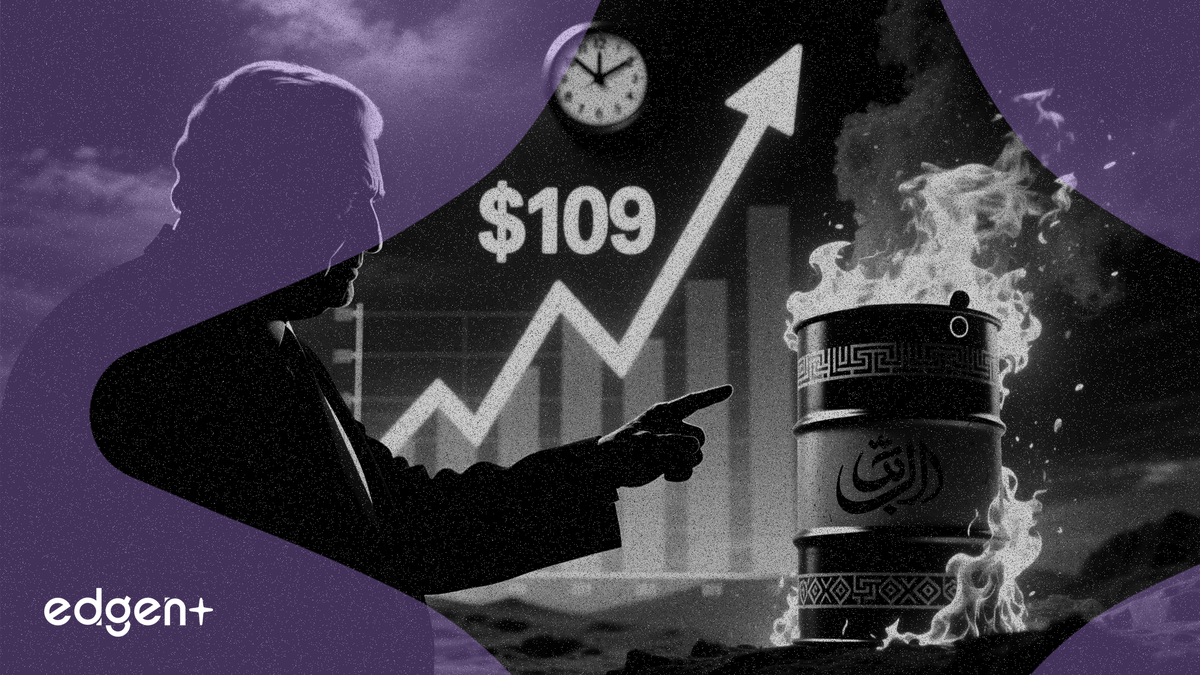
Birleşik Arap Emirlikleri'ndeki bir nükleer enerji santraline hafta sonu düzenlenen drone saldırısı ve Başkan Donald Trump'ın barış anlaşması için sabrının tükendiğine dair verdiği ültimatom, ABD ile İran arasındaki kırılgan ateşkesi ciddi bir baskı altına sokarak petrol fiyatlarının fırlamasına neden oldu.
İran'ın Mehr haber ajansı Pazar günü yaptığı açıklamada, "Somut bir taviz sunmayan ABD, savaş sırasında elde edemediği tavizleri almak istiyor, bu da müzakerelerde bir çıkmaza yol açacaktır" diyerek Tahran'ın Washington'un son teklifini reddettiğinin sinyalini verdi.
Yenilenen çatışma riskinin artması, Brent ham petrol vadeli işlemlerini 3,54 dolar veya yüzde 3,35 artışla varil başına 109,26 dolara taşırken, ABD Batı Teksas Intermediate vadeli işlemleri yüzde 4,2 artışla 105,42 dolara yükseldi. Brent haftalık bazda yüzde 7,8'den fazla değer kazandı ve savaşın 28 Şubat'ta başlamasından ve küresel enerji akışını aksatmasından bu yana yaşanan yaklaşık yüzde 50'lik artışa eklendi.
Görüşmelerin çıkmaza girmesiyle Beyaz Saray, Kasım ayındaki ara seçimler öncesinde bir muamma ile karşı karşıya: Tahran'a büyük tavizler vermeden hayati önem taşıyan Hürmüz Boğazı'nı nasıl yeniden açacak ve enerji fiyatlarını nasıl düşürecek? Axios'un raporuna göre Trump'ın Salı günü askeri seçenekleri görüşmek üzere ulusal güvenlik ekibiyle bir araya gelmesi bekleniyor. Trump, İsrail Başbakanı Binyamin Netanyahu ile yaptığı telefon görüşmesinin ardından Pazar günü Truth Social platformunda yaptığı paylaşımda, "İran için saat işliyor ve harekete geçseler iyi olur, HEM DE HIZLI, yoksa onlardan geriye hiçbir şey kalmayacak" dedi.
Diplomatik çıkmazın merkezinde uzlaşmaz talepler yer alıyor. İran'ın Fars haber ajansına göre, ABD'nin İran'dan yüksek düzeyde zenginleştirilmiş uranyum stokunun tamamını Amerika'ya nakletmesini ve yalnızca bir nükleer tesisin çalışır durumda kalmasını talep ettiği, ancak İran'ın dondurulmuş varlıklarının çoğunu serbest bırakmayı veya tazminat ödemeyi reddettiği bildirildi. Tahran ise nükleer programı hakkında müzakerelere başlamadan önce ABD deniz ablukasının ve tüm yaptırımların tamamen kaldırılmasını talep etti.
Pazar günü, bir drone saldırısının BAE'nin Barakah Nükleer Enerji Santrali'nin çevresindeki bir elektrik jeneratöründe yangın çıkarmasıyla gerilim dramatik bir şekilde tırmandı. Saldırı herhangi bir yaralanmaya veya radyolojik sızıntıya neden olmazken, çatışmada önemli ve tehlikeli yeni bir aşamaya işaret etti. BAE Savunma Bakanlığı, hava sahasına "batı sınırı yönünden" giren diğer iki drone'un engellendiğini açıkladı. BAE başkanlık danışmanı Enver Gargaş, "terörist hedeflemeyi" "tehlikeli bir tırmanış" olarak kınadı.
BAE elektriğinin dörtte birini sağlayan Arap Yarımadası'nın ilk ve tek nükleer santraline yapılan saldırı, Uluslararası Atom Enerjisi Ajansı tarafından derhal kınandı ve kurum "ciddi endişe" duyduğunu belirtti.
Kriz küresel güçleri de içine çekti; Pakistan içişleri bakanı müzakerelere arabuluculuk yapmak üzere Tahran'ı ziyaret etti. Trump kısa süre önce Çin'e yaptığı ziyaretten döndü ve burada İran'ın kilit müttefiki olan Devlet Başkanı Şi Cinping ile savaşı görüştü. Trump, Şi'nin Hürmüz Boğazı'nı yeniden açma gereği konusunda hemfikir olduğunu söyledi. Boğaz, İran'ın su yolunu fiilen kapatmasının tarihteki en kötü arz krizini tetiklemesinden önce dünya petrol arzının beşte birini karşılıyordu. Ancak, Washington ve Tahran'ın bir anlaşmadan çok uzak olması nedeniyle, çatışmanın yeniden başlama ve enerji fiyatlarını daha da yukarı çekme riski akut olmaya devam ediyor.
Bu makale sadece bilgilendirme amaçlıdır ve yatırım tavsiyesi teşkil etmez.
