
La position du président sur les sanctions complique les négociations alors que l'Iran détient 440,9 kilogrammes d'uranium enrichi et que les pourparlers entrent dans une phase critique.
La position du président sur les sanctions complique les négociations alors que l'Iran détient 440,9 kilogrammes d'uranium enrichi et que les pourparlers entrent dans une phase critique.
La position du président sur les sanctions complique les négociations alors que l'Iran détient 440,9 kilogrammes d'uranium enrichi et que les pourparlers entrent dans une phase critique.
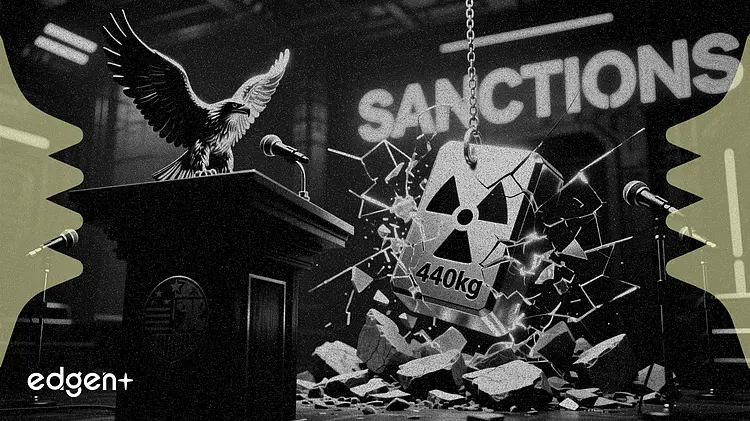
Le président Donald Trump a déclaré à PBS que les États-Unis n'assoupliront pas les sanctions contre l'Iran, même si ce dernier abandonne l'enrichissement d'uranium, réduisant ainsi les perspectives d'un accord de cessez-le-feu alors que 440,9 kilogrammes de matières proches du niveau militaire sont en jeu.
« Soit il conclura un bon accord, soit il n'y aura pas d'accord du tout », a déclaré mardi le secrétaire d'État Marco Rubio aux journalistes, alors que les pourparlers au Qatar entrent dans leur deuxième semaine.
L'Iran détient 440,9 kilogrammes d'uranium enrichi à 60 % de pureté — une courte étape technique du seuil de 90 % requis pour les matières de qualité militaire, selon l'Agence internationale de l'énergie atomique. Le cadre émergent exigerait que Téhéran dilue ou transfère ce stock vers un pays tiers sur une période de 60 jours, bien que l'Iran ne se soit pas publiquement engagé. Les forces américaines ont frappé lundi des navires poseurs de mines iraniens et un site de lancement de missiles près de Bandar Abbas, une action que le Pentagone a décrite comme « défensive », menée « en faisant preuve de retenue pendant le cessez-le-feu en cours ».
La contradiction entre la position de Trump sur les sanctions et la composante d'allègement des sanctions de l'accord menace de faire échouer les négociations, alors même que la Maison-Blanche convoque une rare réunion du Cabinet à Camp David. Avec le détroit d'Ormuz — qui assure 21 % du commerce pétrolier mondial — toujours effectivement fermé, les prix du brut subissent des pressions à la hausse, tant en raison de l'incertitude diplomatique que du risque d'une nouvelle escalade militaire.
Les déclarations de Trump à PBS marquent la première fois qu'il exclut explicitement un allègement des sanctions comme monnaie d'échange, alors même que son administration négocie des termes que des responsables régionaux disent inclure précisément cela. Ce décalage a mis au jour des fissures au sein de sa propre coalition. Les sénateurs républicains Roger Wicker du Mississippi, Lindsey Graham de la Caroline du Sud et Ted Cruz du Texas ont averti que les termes émergents ressemblent trop à l'accord nucléaire de l'ère Obama de 2015 que Trump a dénoncé durant son premier mandat.
La relance des accords d'Abraham se heurte à la résistance saoudienne
Trump a également profité de l'interview sur PBS pour appeler l'Arabie saoudite à rejoindre les accords d'Abraham, les accords de normalisation parrainés par les États-Unis avec Israël conclus lors de son premier mandat. Mais Riyad insiste sur le fait qu'une voie garantie vers un État palestinien reste une condition préalable — une position à laquelle le gouvernement israélien du Premier ministre Benyamin Netanyahou s'oppose farouchement. Barbara Leaf, ancienne ambassadrice américaine aux Émirats arabes unis et ex-haute responsable du département d'État, a déclaré que les responsables du Golfe, lors d'un appel avec Trump, avaient accueilli ses propos sur les accords par un « silence stupéfait ». Une personne proche de l'appel a contesté cette caractérisation.
La volonté de l'administration de parvenir à un règlement régional plus large est encore compliquée par les opérations militaires israéliennes. Netanyahou a annoncé mardi que l'armée israélienne « approfondissait son opération » au Liban contre le Hezbollah, le groupe militant soutenu par l'Iran. L'Iran a insisté sur le fait que tout cessez-le-feu doit également couvrir le Liban, tandis que le protocole d'accord émergent entre les États-Unis et l'Iran affirme le droit d'Israël à agir contre les menaces imminentes.
Implications pour les marchés
L'impasse diplomatique maintient une prime de risque intégrée dans les prix du pétrole brut, le Brent se maintenant au-dessus de 75 dollars le baril alors que les traders évaluent la probabilité d'un nouveau blocus du détroit d'Ormuz. La dernière fois que l'Iran a fait face à une pression similaire des sanctions, en 2018-2019, ses exportations de pétrole brut sont passées de 2,5 millions de barils par jour à moins de 500 000, selon les données de suivi des pétroliers. Un scénario similaire resserrerait l'offre mondiale à un moment où la capacité de réserve de l'OPEP+ est déjà limitée.
Cet article est fourni à titre informatif uniquement et ne constitue pas un conseil en investissement.
