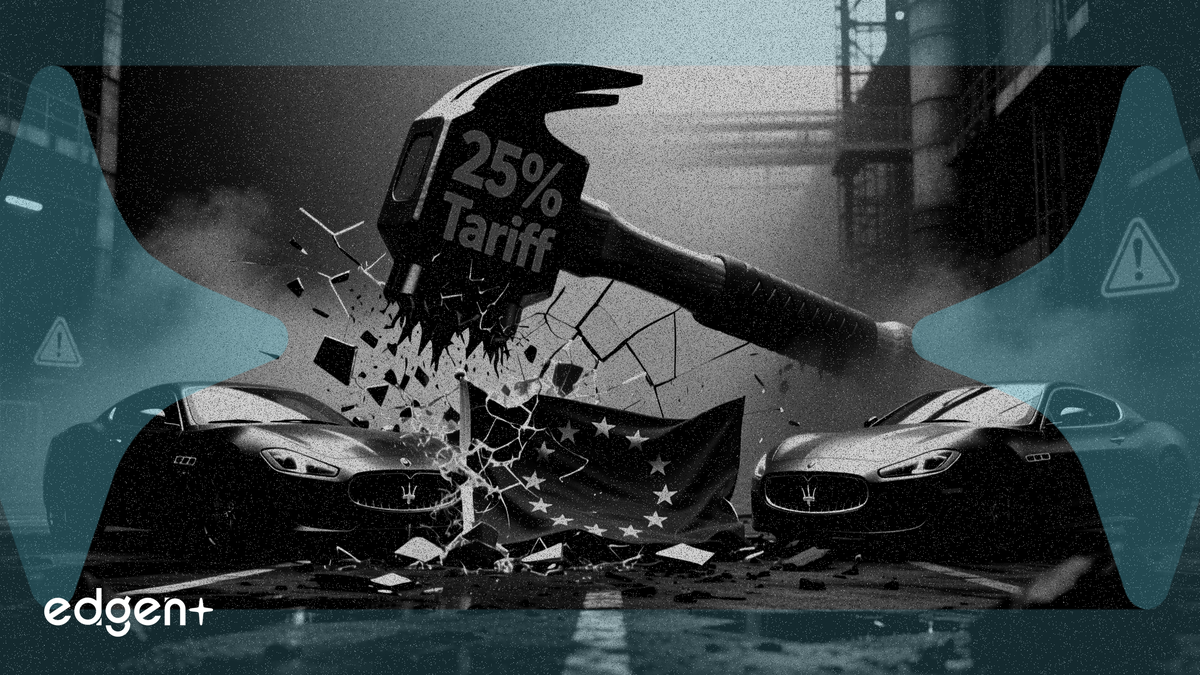
ABD Başkanı Donald Trump'ın Avrupa Birliği yapımı otomobil ve kamyonlara yönelik gümrük vergilerini %15'ten %25'e çıkarma tehdidi, otomotiv sektöründe soğuk rüzgarlar estirdi ve dünyanın en büyük iki ekonomik bloğu arasında yeniden bir ticaret çatışması olasılığını artırdı.
Trump, sosyal medya platformu Truth Social'da yaptığı paylaşımda, "Avrupa Birliği'nin tam olarak mutabık kalınan Ticaret Anlaşmamıza uymadığı gerçeğine dayanarak, önümüzdeki hafta Avrupa Birliği'nden gelen Otomobil ve Kamyonlardan alınan Gümrük Vergilerini artıracağım," dedi ve üretimi ABD'de yapan üreticilerin herhangi bir gümrük vergisiyle karşılaşmayacağını ekledi. Avrupa Komisyonu bu iddiayı reddederek, anlaşmayı standart yasama prosedürlerine uygun olarak uyguladığını ve çıkarlarını savunmak için tüm seçenekleri saklı tutacağını belirtti.
Piyasa tepkisi hızlı ve olumsuz oldu. Pan-Avrupa STOXX Europe 600 Otomobil ve Parçaları endeksi %0,7 düşerek bölgedeki en kötü performans gösteren sektör oldu. Alman otomobil üreticileri en ağır darbeyi alanlar oldu; Continental AG %5,4 gerilerken, Porsche AG yaklaşık %3 düştü. BMW AG, Mercedes-Benz Group AG ve Volkswagen AG'nin tümü %2,5 ile %3 arasında değer kaybetti.
Bu hamle, halihazırda kırılgan olan transatlantik ticaret ilişkisine önemli bir belirsizlik enjekte ediyor. Elektrikli araçlara maliyetli geçiş, artan rekabet ve yüksek enerji maliyetleriyle boğuşan bir otomobil endüstrisi için, milyarlarca dolarlık potansiyel bir gümrük vergisi darbesinin zamanlaması daha kötü olamazdı; bu durum ya ABD'li tüketiciler için fiyatları artırma ya da halihazırda daralmış olan kar marjlarını daha da sıkıştırma tehdidi taşıyor.
Kırılgan Bir Anlaşma Çözülüyor
Çatışma, geçen Ağustos ayında varılan bir ticaret anlaşmasından kaynaklanıyor. Anlaşma kapsamında Washington, Avrupa araçları için küresel otomobil gümrük vergisini %25'ten %15'e indirmişti. Karşılığında AB, bazı Amerikan sanayi malları üzerindeki vergileri kaldırmayı ve ABD araç güvenliği ve emisyon standartlarını kabul etmeyi taahhüt etmişti. Ancak, milletvekillerinin gerekli yasayı ancak Mart ayında ilerlettiği ve tam onaylanmanın Haziran ayından önce beklenmediği AB'nin uzun yasama süreci, Trump'ın tehdidinin tetikleyicisi olmuş gibi görünüyor. Yönetimi bu gecikmeyi bir uyumsuzluk biçimi olarak görüyor ve anlaşmayı geçersiz kılmak için bir gerekçe olarak kullanıyor.
Bernstein analistleri bir notta, "Başkan Trump'ın, Temmuz 2025'te önerildikten sonra geçen Eylül ayında kararlaştırılan ABD sanayi malları üzerindeki gümrük vergilerinin kaldırılmasının henüz AB'nin uzun yasama sürecinden geçmemiş olmasına kızgın olduğu görünüyor," dedi.
Almanya İçin Maliyetlerin Hesaplanması
Ekonomik riskler, ekonomisi büyük ölçüde otomotiv endüstrisine dayanan Almanya için en yüksek seviyede. Kiel Dünya Ekonomisi Enstitüsü tarafından yapılan yeni bir analize göre, AB otomobil ve kamyonlarına yönelik %25'lik bir ABD gümrük vergisi, Almanya'nın gayri safi yurt içi hasılasını yaklaşık 15 milyar avro azaltabilir. Almanya ekonomisinin bu yıl %0,8 gibi düşük bir oranda büyüyeceğini öngören enstitü, uzun vadeli üretim kayıplarının 30 milyar avroya yaklaşabileceği ve bunun ülkenin büyümesine ağır bir darbe vuracağı konusunda uyardı.
Bernstein analistleri, gümrük vergisinin tamamının yansıtılması durumunda, BMW için %12,1, Mercedes için %14, Porsche için %16 ve Stellantis için %21 oranında potansiyel 2026 otomotiv EBIT (faiz ve vergi öncesi kar) darbesi ile kazanç rüzgarlarının "anlamlı" olacağını tahmin ediyor.
Gergin Küresel Ekonomide Daha Geniş Riskler
Bu potansiyel ticaret anlaşmazlığı bir vakum içinde gerçekleşmiyor. İran'daki savaştan kaynaklanan fırlayan enerji fiyatları ve nakliye kesintileriyle halihazırda mücadele eden küresel ekonomi üzerinde başka bir baskı katmanı oluşturuyor. Eurogroup Başkanı Kyrakos Pierrakakis'in de belirttiği gibi, Avrupa ekonomisini zorlayan diğer zorluklar göz önüne alındığında, bu karşı karşıya gelme "oldukça gereksiz ve oldukça talihsiz". AB, "tüm seçeneklerin masada" olduğunu açıkça belirterek, ABD mallarına yönelik misilleme gümrük vergilerinin belirgin bir olasılık olduğunu ve bunun da çatışmayı tırmandırıp ekonomik etkisini genişletebileceğinin sinyalini verdi.
Bu makale yalnızca bilgilendirme amaçlıdır ve yatırım tavsiyesi teşkil etmez.