
Một hồ sơ đạo đức mới tiết lộ quỹ tín thác của Donald Trump đã thực hiện các giao dịch chứng khoán trị giá ít nhất 220 triệu USD vào đầu năm 2026, làm dấy lên cuộc tranh luận mới về hành vi tài chính của tổng thống.
Một hồ sơ đạo đức mới tiết lộ quỹ tín thác của Donald Trump đã thực hiện các giao dịch chứng khoán trị giá ít nhất 220 triệu USD vào đầu năm 2026, làm dấy lên cuộc tranh luận mới về hành vi tài chính của tổng thống.
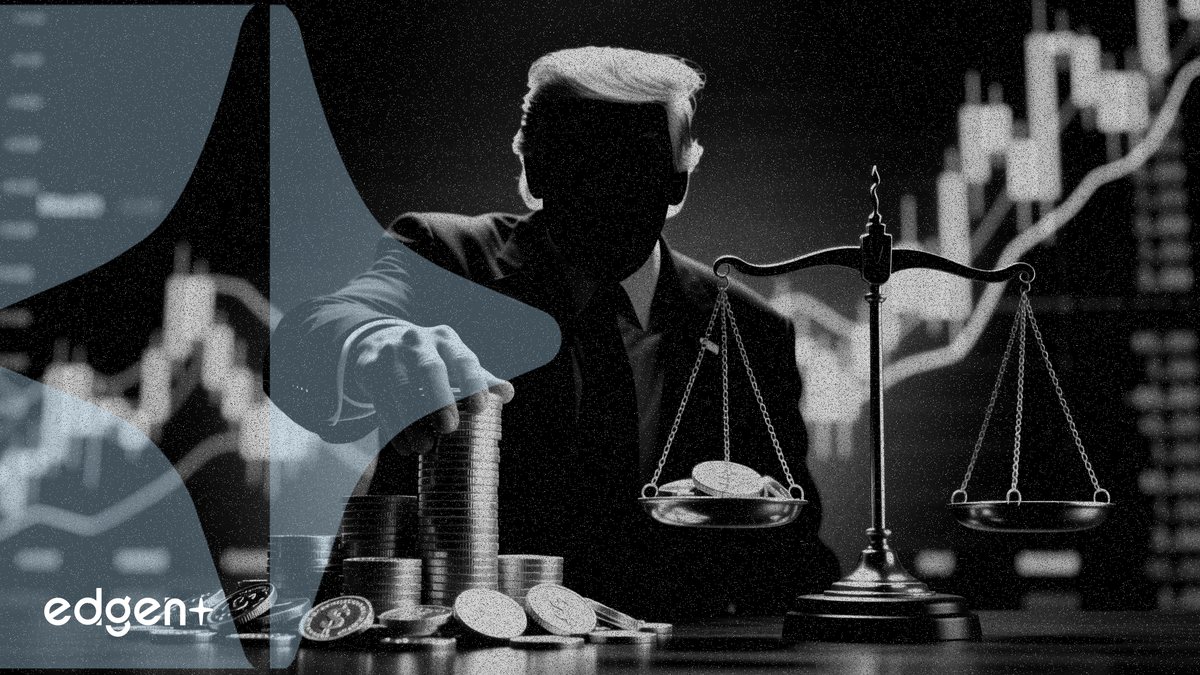
(P1) Các báo cáo tài chính mới nhất của Tổng thống Hoa Kỳ Donald Trump đã tiết lộ một đợt giao dịch dồn dập ít nhất 220 triệu USD chứng khoán doanh nghiệp trong ba tháng đầu năm 2026, làm bùng lên các cuộc tranh luận về ranh giới đạo đức đối với các quan chức công và ảnh hưởng thị trường tiềm năng.
(P2) Hai báo cáo mới, được Văn phòng Đạo đức Chính phủ Hoa Kỳ công bố hôm thứ Năm, chi tiết các giao dịch trong phạm vi rộng trong một quỹ tín thác được cho là do con cái ông kiểm soát. Các hồ sơ cho thấy giá trị giao dịch tích lũy từ 220 triệu USD đến khoảng 750 triệu USD, mặc dù lợi nhuận chính xác và cấu trúc tài khoản vẫn chưa được tiết lộ.
(P3) Các tiết lộ chi tiết về việc mua quy mô lớn các công ty như Nvidia Corp. và Apple Inc., cùng với một quỹ chỉ số S&P 500 chính, với các giao dịch đó có giá trị từ 1 triệu đến 5 triệu USD mỗi giao dịch. Ở phía bán, các hồ sơ báo cáo việc thanh lý từ 5 triệu đến 25 triệu USD mỗi giao dịch tại Microsoft, Amazon và Meta Platforms.
(P4) Mặc dù việc sử dụng quỹ tín thác được thiết kế để tạo khoảng cách, khối lượng giao dịch khổng lồ trong các tên tuổi biến động thị trường làm dấy lên câu hỏi về xung đột lợi ích tiềm ẩn. Hoạt động này cung cấp một bối cảnh quan trọng cho các nhà đầu tư khi ảnh hưởng tài chính rộng lớn của ông Trump, từ chính sách thuế đến lập trường đang phát triển của chính quyền ông về quy định tiền điện tử, vẫn là một biến số chính đối với thị trường.
Các tiết lộ giao dịch không diễn ra trong chân không. Các sáng kiến chính sách của Tổng thống Trump trước đây đã có những hậu quả tài chính trực tiếp và có thể định lượng được, thiết lập một liên kết rõ ràng giữa hành động của chính quyền ông và kết quả thị trường. Ví dụ, dự luật "Big, Beautiful Bill" (BBB) của ông được ký thành luật vào tháng 7 năm 2025, giới thiệu một số khoản khấu trừ thuế tạm thời, đã có tác động đo lường được đối với hệ thống hưu trí của quốc gia.
Theo phân tích của Văn phòng Giám định của Cơ quan An sinh Xã hội, các điều khoản thuế của BBB được dự báo sẽ làm tăng mức thâm hụt tài chính dài hạn của An sinh Xã hội thêm khoảng 168,6 tỷ USD trong 10 năm. OACT tính toán điều này sẽ đẩy nhanh việc cạn kiệt quỹ tín thác chính của chương trình thêm một quý đầy đủ, từ quý 1 năm 2033 sang quý 4 năm 2032. Điều này chứng minh cách các chính sách thuế được tổng thống ủng hộ có thể trực tiếp làm thay đổi sự ổn định tài chính của các chương trình ảnh hưởng đến hàng triệu người Mỹ.
Dấu ấn tài chính của tổng thống mở rộng ra ngoài các cổ phiếu truyền thống. Tiết lộ hàng năm của ông dự kiến sẽ cung cấp thêm thông tin chi tiết về các tài sản kinh doanh bao gồm các liên doanh tiền điện tử, một lĩnh vực mà cách tiếp cận quy định của chính quyền ông có thể có tác động đáng kể đến thị trường và tài chính cá nhân. Thị trường tiền điện tử đang theo dõi chặt chẽ tiến trình của Đạo luật CLARITY, một đạo luật cấu trúc thị trường lớn.
Theo phân tích từ nhà quản lý tài sản Hashdex, thị trường đang "định giá thấp nghiêm trọng" tác động tiềm tàng của việc Đạo luật CLARITY được thông qua. CIO Samir Kerbage của Hashdex lập luận rằng nếu được ký thành luật, đạo luật này sẽ là một "sự kiện kích hoạt thị trường" dẫn đến dòng vốn chảy vào đáng kể, tương tự như đợt tăng vọt sau khi phê duyệt các quỹ ETF Bitcoin giao ngay. Đạo luật sẽ cung cấp một khung pháp lý cho tài sản kỹ thuật số, tiềm năng giải phóng đầu tư tổ chức và định giá lại toàn bộ loại tài sản này. Do đó, vai trò của chính quyền Trump trong việc thúc đẩy hoặc trì hoãn một dự luật như vậy có thể có tác động sâu sắc đến một thị trường nơi chính tổng thống đã tiết lộ các lợi ích tài chính. Sự hội tụ của các giao dịch cá nhân, các quyết định chính sách và ảnh hưởng quy định của ông tạo ra một mạng lưới phức tạp để các nhà đầu tư điều hướng.
Bài viết này chỉ nhằm mục đích thông tin và không cấu thành lời khuyên đầu tư.
