


Nvidia's Aug. 26 earnings report could trigger a bull run in TSMC stock, which trails the PHLX Semiconductor index by 26 points this year.
Nvidia's Aug. 26 earnings report could trigger a bull run in TSMC stock, which trails the PHLX Semiconductor index by 26 points this year.
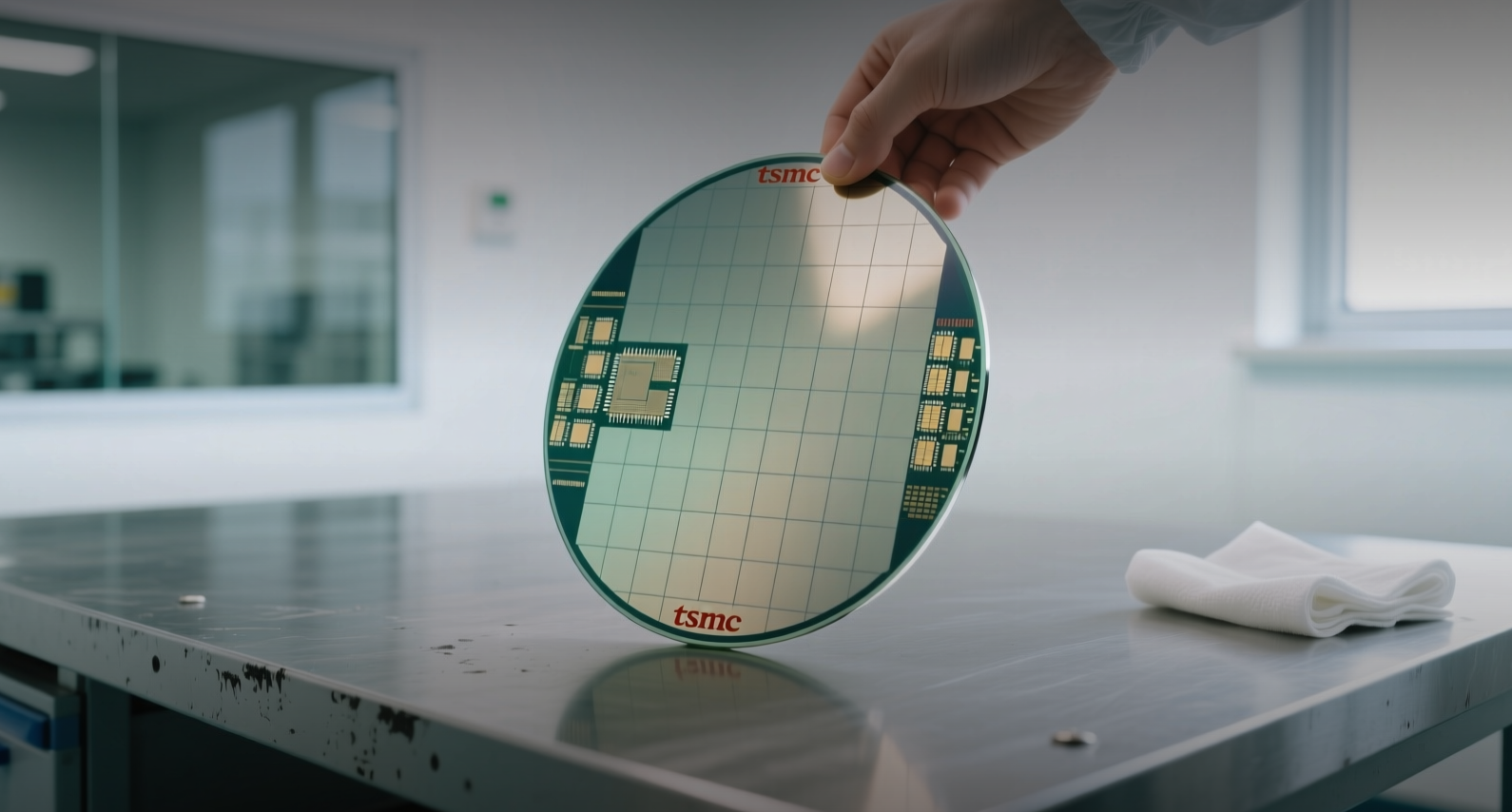
TSMC shares trail the PHLX Semiconductor index by 26 points this year, but Nvidia's record $91 billion quarterly forecast and $1 trillion order book could close that gap when results land Aug. 26.
"Nvidia's order book for Blackwell and Vera Rubin chips is worth $1 trillion for 2026 and 2027," Jensen Huang, chief executive officer at Nvidia, said earlier this year.
Nvidia expects $91 billion in fiscal Q2 revenue, up 95 percent year over year and accelerating from 85 percent growth in fiscal Q1. Consensus projects $103.8 billion for fiscal Q3, up 82 percent. Bloomberg reports Nvidia may raise AI chip prices by more than 15 percent, while Nikkei Asia says TSMC could increase foundry fees by 10 percent in 2027.
Nvidia accounts for more than 20 percent of TSMC's revenue this year, per Economic Daily News. Analysts expect TSMC's EPS to reach $16.90 in 2026, up 59 percent. At a 35 percent annual growth rate through 2030, TSMC's EPS could hit $47.75, implying a share price of $1,150 at 24.1 times earnings — 182 percent above current levels.
Nvidia will begin shipping Vera Rubin AI chip systems in the second half of 2026, with production expected to scale significantly over the next two years. Goldman Sachs estimates Vera Rubin-related chips could account for more than 40 percent of Nvidia's GPU revenue in the fourth quarter of 2026. TSMC's 2nm process node (which packs more transistors per square millimeter, improving performance per watt) has already begun contributing revenue, accounting for 3 percent of total sales.
The pricing dynamics are mutually reinforcing. Nvidia's reported plan to raise AI chip prices by more than 15 percent gives TSMC room to increase its own foundry service fees. TSMC's revenue grew 37 percent in the first seven months of 2026, and management expects full-year USD revenue growth "slightly above 40 percent." The company raised its 2026 capital expenditure guidance to $60-64 billion, reflecting confidence in sustained demand. TSMC's foundry dominance also contrasts with Samsung Foundry, which has struggled to win advanced AI chip orders at comparable scale.
Wall Street has been steadily increasing revenue and earnings expectations for TSMC. BOCOM International recently raised its price target to $500, corresponding to a price-to-earnings ratio of about 27 times. TSMC's stock currently sits approximately 14 percent below its 52-week high.
The AI chip market's revenue is projected to jump significantly by 2030, which should help TSMC sustain growth as the world's leading foundry. TSMC manufactures chips for Nvidia, Qualcomm, Apple, Advanced Micro Devices, Sony, and others, making it the critical manufacturing backbone of the AI supply chain. Nvidia contributed approximately $23.16 billion to TSMC's revenue in 2025, representing 19 percent of total sales and surpassing Apple's 17 percent share.
For investors, the key question is whether TSMC's current valuation already prices in the AI boom. At roughly $410 per share, TSMC trades at a significant discount to the $1,150 scenario implied by 35 percent annual EPS growth through 2030. If Nvidia delivers a beat on Aug. 26 with strong forward guidance, TSMC's underperformance relative to the semiconductor sector this year could reverse quickly.
This article is for informational purposes only and does not constitute investment advice.
