

Uber COO'su Andrew Macdonald, artan yapay zeka token harcamaları ile kullanışlı tüketici özellikleri arasındaki bağlantının "henüz kurulamadığını" söylüyor.
Uber COO'su Andrew Macdonald, artan yapay zeka token harcamaları ile kullanışlı tüketici özellikleri arasındaki bağlantının "henüz kurulamadığını" söylüyor.
Uber COO'su Andrew Macdonald, artan yapay zeka token harcamaları ile kullanışlı tüketici özellikleri arasındaki bağlantının "henüz kurulamadığını" söylüyor.
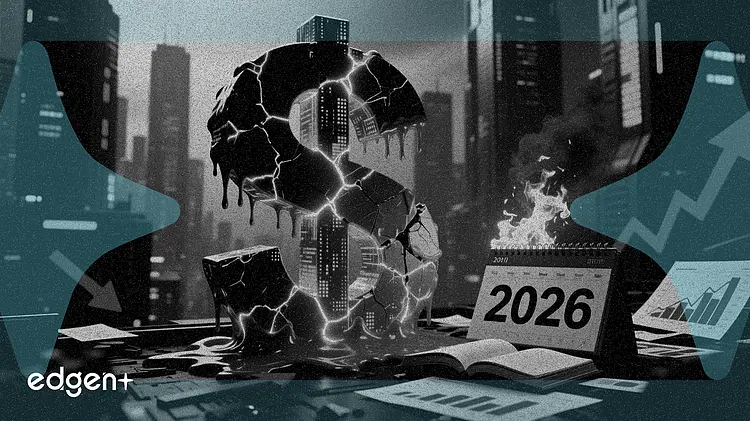
Uber, Nisan ayı itibarıyla 2026 yılı için ayırdığı yapay zeka kodlama araçları bütçesinin tamamını, çalışanları dahili bir kullanım liderlik tablosuyla teşvik ettikten sonra tüketti. Bu durum, şirketin operasyon direktörünü (COO) harcamaların tüketici değerine dönüşüp dönüşmediğini sorgulamaya yöneltti.
"Bu bağlantı henüz kurulmuş değil," diyen Uber Başkanı ve COO'su Andrew Macdonald, Rapid Response podcast'inde şunları söyledi: "Bu istatistiklerden biri ile 'Tamam, artık yüzde 25 daha fazla kullanışlı tüketici özelliği üretiyoruz' arasında bir çizgi çekmek çok zor."
Uber, yalnızca 2026'nın ilk çeyreğinde araştırma ve geliştirmeye 951 milyon dolar harcadı; bu, bir önceki yılın aynı dönemine göre yaklaşık yüzde 17'lik bir artış anlamına geliyor. Şirketin Ar-Ge harcamaları, 2025'te gelirin yüzde 3,4'ünü oluştururken, bu oran 2024'e göre yüzde 9 arttı. CEO Dara Khosrowshahi bir kazanç çağrısında, şirketin taahhüt edilen kodunun yaklaşık yüzde 10'unun artık otonom ajanlar tarafından oluşturulduğunu söyledi.
Uber'deki bu gerilim, kurumsal Amerika genelinde yaşanan daha büyük bir muhasebe sürecini yansıtıyor. Gartner, yapay zeka ajan yazılımı harcamalarının 2026'da 207 milyar dolara ulaşacağını tahmin ediyor; bu, 2025'teki 86,4 milyar dolara göre yüzde 139'luk bir artış. Ancak giderek artan sayıda yönetici, bu maliyetleri ölçülebilir getirilerle ilişkilendirmekte zorlanıyor. OpenAI CEO'su Sam Altman yakın zamanda, "Bir yıl sonra hâlâ aynı soruyu konuşuyor olursak, bu daha endişe verici olur," dedi.
Liderlik Tablosu Odaklı Bir Kültür
Uber'in yapay zeka benimseme yaklaşımı, Anthropic'in Claude Code gibi araçların toplam kullanımına göre ekipleri sıralayan dahili bir liderlik tablosunu içeriyordu. Strateji işe yaradı – belki de fazla iyi çalıştı. The Information'ın haberine göre, Nisan ayına kadar şirket, teknoloji direktörü Praveen Neppalli Naga'nın belirttiği üzere, tüm yıl için Claude Code bütçesini çoktan tüketmişti.
Bu durum, yatırımcılar ve analistlerden eleştiri topladı. 2008 konut balonuna karşı bahis oynayarak ünlenen Michael Burry, bu eğilimi bir Substack yazısında "kota güdümlü, liderlik tablosu odaklı, yönetim tarafından zorunlu kılınan aşırı tüketim" olarak nitelendirdi. Array Ventures genel ortağı Shruti Gandhi ise tokenmaxxing'i, bir fabrika CEO'sunun tüm makineler boşta beklerken elektrik faturasıyla övünmesine benzetti. Gandhi, X'te yaptığı paylaşımda, "Daha fazla harcamak, daha fazla üretmek anlamına gelmez," dedi.
Sektörde Getiri Sorgulaması
Uber bu konuda yalnız değil. Microsoft, bu ayın başlarında doğrudan Claude Code lisanslarının çoğunu iptal etmeye başladı ve mühendisleri GitHub Copilot CLI'ye yönlendirdi. Duolingo CEO'su Luis von Ahn ise geçen yıl daha önceki yapay zeka öncelikli duruşundan geri adım atarak, teknolojinin çalışanlarının yaptığı görevlerin yerini alacağını artık görmediğini söyledi.
Google CEO'su Sundar Pichai, şirketlerinin "bütçelerini ne kadar hızla tükettikleri konusunda çok endişeli" olan bilgi teknolojileri direktörlerinden doğrudan geri bildirim aldığını kabul etti. Onun yanıtı, endişeleri geçiştirmek yerine daha verimli bir model olan Gemini 3.5 Flash'ı tanıtmak oldu.
Doğrudan artan token tüketiminden fayda sağlayan OpenAI'in Altman'ı bile, şirket liderleri için getiri (ROI) sorununun ön planda olduğunu söyledi. Altman, Avustralya'daki bir yapay zeka etkinliğinde sanal olarak yaptığı konuşmada, "Şirketlerden duyduğum birçok harika şey var; olumsuz olarak duyduğum şey ise 'harcamalarımız artıyor ve artıyor, insanlar çok üretken olduklarını hissediyor... ama gelir nerede, gerçek verimlilik kazanımları nerede?' oldu," dedi.
Yatırımcılar için, yapay zeka getirisine yönelik artan şüphecilik, yapay zeka tedarik zincirindeki şirketlerin değerlemelerine yeni bir değişken getiriyor. Uber hisseleri henüz bu harcama tartışmasını yansıtmış değil – şirket, ileriye dönük kazancının yaklaşık 22 katı seviyesinde işlem görüyor ve analistler, otonom sürüş hedeflerine yapay zeka kodlama maliyetlerinden daha fazla odaklanmış durumda. Ancak bu eğilim yayılırsa, büyüme anlatılarını yapay zeka benimsemesi üzerine kuran şirketler – bulut sağlayıcılarından çip üreticilerine kadar – müşterilerinin harcamalarının sürdürülebilir olup olmadığı konusunda daha zorlu sorularla karşılaşabilir. Macdonald, Uber'in otonom sürüşe tam anlamıyla odaklandığını ve bu teknolojinin çocukları için ehliyetleri gereksiz kılmasını beklediğini söyledi. Asıl soru, bu hedefe ulaşmak için gereken yapay zeka harcamalarının yol boyunca artan bir incelemeye tabi tutulup tutulmayacağı.
Bu makale yalnızca bilgilendirme amaçlıdır ve yatırım tavsiyesi niteliği taşımamaktadır.
