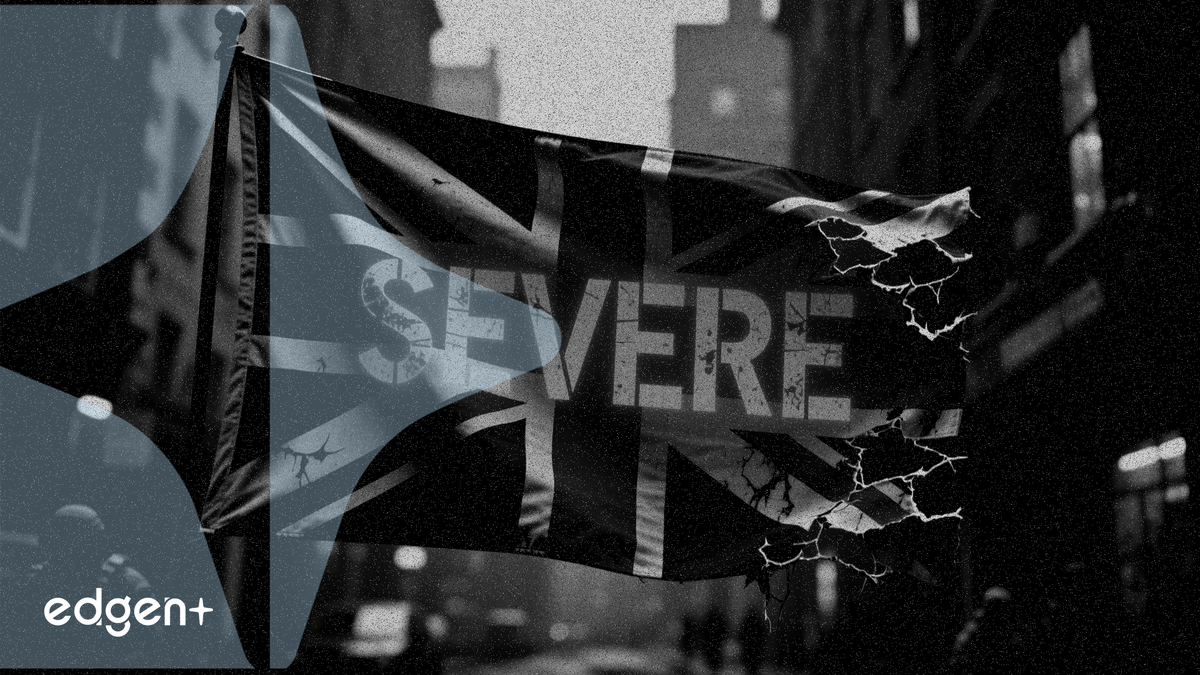
The UK government raised its national terrorism threat level to its second-highest rating and promised a crackdown on some protests after the stabbing of two Jewish men in London, a move that signals growing political instability and has put investors on alert.
"If you stand alongside people who say globalize the intifada, you are calling for terrorism against Jews—and people who use that phrase should be prosecuted," Prime Minister Keir Starmer said. "It is racism, extreme racism, and it has left a minority community in this country scared, intimidated, wondering if they belong."
The Joint Terrorism Analysis Centre elevated the threat level from “substantial” to “SEVERE” on April 30, indicating a terrorist attack is now considered “highly likely.” The decision followed the April 29 stabbing of two men in Golders Green, an area with a large Jewish population, and a series of other arson attacks on Jewish sites. The U.S. Embassy in London issued a security alert on May 1, urging its citizens to remain vigilant.
The events inject a new layer of uncertainty into the UK market, with the potential for increased social unrest and security disruptions to weigh on the Pound Sterling and the FTSE 100 index. The 'SEVERE' designation creates a risk-off environment for UK assets, as it could deter tourism and disrupt business operations, according to the article's potential impact analysis.
Heightened Security and Political Fallout
The government’s response has centered on the pro-Palestinian marches that have become regular fixtures in British cities. Prime Minister Keir Starmer has called for police to take tougher action against chants like “globalize the intifada,” which many see as a call for violence. The government’s counter-terror czar, Jonathan Hall, went further, calling for a moratorium on the protests, which he described as "incubators for antisemitism."
The debate has intensified over where free speech ends and illegal hate speech begins. Organizers from the Stop the War Coalition argue their marches are against the Israeli government's actions in Gaza and are attended by many Jewish people. In response to the heightened threat, security has been visibly increased at public venues, with Surrey Cricket Club announcing enhanced security and bag checks at The Oval for its upcoming match.
Market Implications of a 'Severe' Threat
The elevation of the terror threat level brings quantifiable risk to UK markets. The “SEVERE” level is the second-highest on the 5-point scale, surpassed only by “CRITICAL,” which warns an attack is imminent. This formalizes a period of heightened alert that could have tangible economic consequences.
The last time the threat level was at 'SEVERE' for a prolonged period was in 2021. During that time, while the market was also dealing with post-pandemic recovery, sterling exhibited increased volatility against the dollar and euro. The current instability, combined with the government's focus on domestic security, could divert attention and resources from economic priorities, potentially delaying investment and creating headwinds for growth. Investors will be closely watching for any further security incidents or significant policy changes regarding public demonstrations.
This article is for informational purposes only and does not constitute investment advice.