
Uniswap's fee switch turned UNI into a deflationary asset, forcing every DeFi protocol to answer whether its governance token captures any value.
Uniswap's fee switch turned UNI into a deflationary asset, forcing every DeFi protocol to answer whether its governance token captures any value.
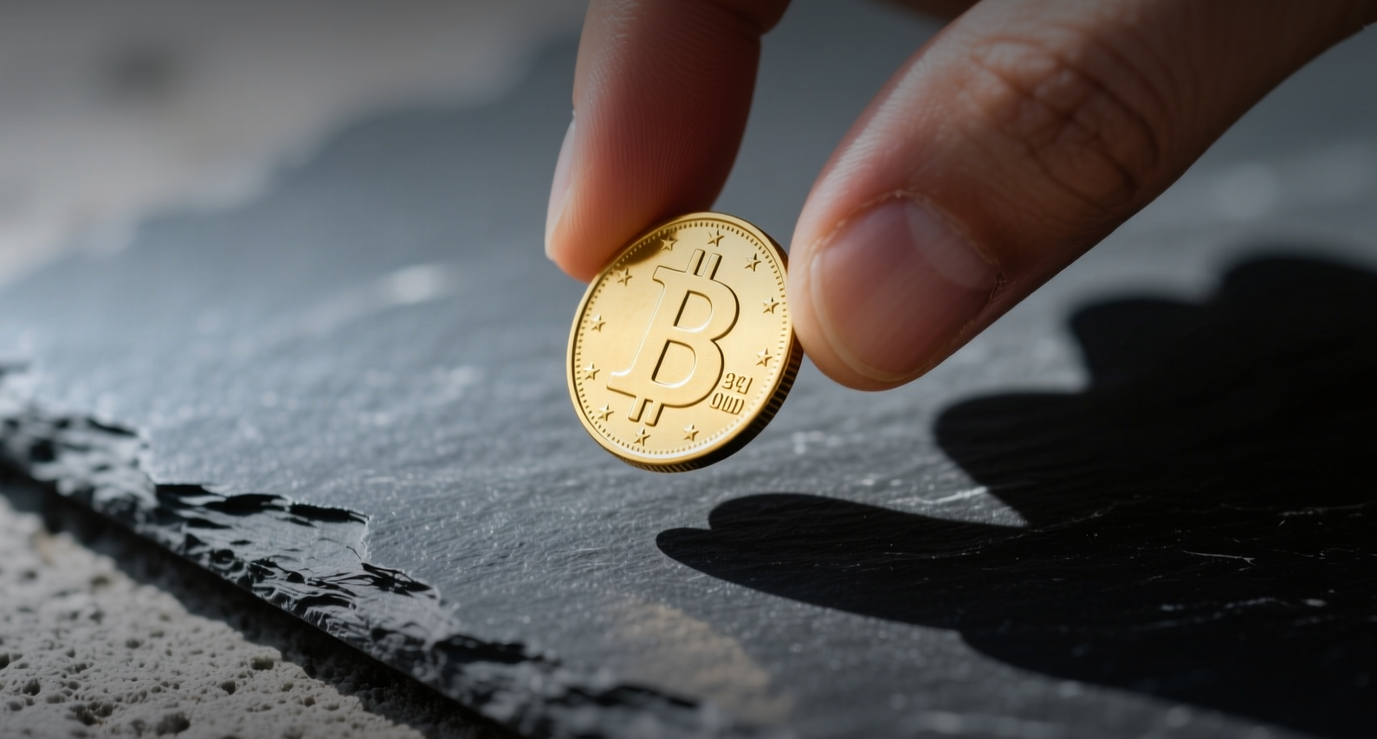
Uniswap's fee switch generated $23 million in protocol revenue and $90 million in annualized UNI burns since the UNIfication proposal passed with 99.9% support in December 2025. UNI rose nearly 7 percent to $4.09 in the past 24 hours as traders responded to the protocol's launch of pools.trade, a token creation platform on Robinhood Chain that routes all swaps through Uniswap v4 pools.
Standard Chartered set a $100 price target for UNI, citing the protocol's potential in tokenized securities trading and the fee switch's transformation of UNI from a governance token to a revenue-linked deflationary asset. Whale accumulation has followed: a 24% single-day surge in June 2026 was driven by large holders moving tokens off exchanges, and CryptoQuant data shows the ten largest daily Binance withdrawals averaging more than 7,200 UNI.
Daily protocol revenue jumped from $114,000 on Ethereum alone to $325,000 after Governance Proposal 100 expanded the fee switch to v4 pools across seven networks in July. Ark Invest estimates the annualized burn rate at approximately $90 million. The initial activation included an immediate burn of 100 million UNI tokens, removing roughly $400 million in supply at prevailing prices.
The implications extend beyond Uniswap. Every DeFi governance token now faces the question its holders have avoided since launch: does holding this token entitle you to any share of the value the protocol creates? Protocols like Aave, Curve, and SushiSwap are evaluating similar mechanisms, and the pressure from token holders who watched UNI's post-activation rally is visible in governance forums.
The fee switch redirects approximately one-sixth of swap fees from liquidity providers to the protocol. These fees flow into TokenJar contracts deployed on each supported network, which accumulate revenue, convert it to ETH or USDC, and execute market buy orders for UNI. The purchased tokens are then sent to a burn address, permanently removing them from circulation.
The mechanism is deliberately designed as buy-and-burn rather than direct distribution. Direct fee distribution to token holders would likely trigger securities classification under the Howey test, creating an investment contract with an expectation of profits derived from the efforts of others. Buy-and-burn creates value through supply reduction instead of income distribution.
Uniswap generates approximately $845 million in total annual fees across all versions and networks. Of that, the protocol now captures roughly one-sixth through the fee switch. With approximately 600 million UNI in circulation after the initial burn, $90 million in annual burns removes roughly 1.5 percent of circulating supply per year, creating a compounding deflationary effect.
Robinhood Chain has become a significant revenue source. The network processed more than $6 billion in Uniswap swap volume in its first ten days after launch and now accounts for nearly half of the protocol's weekly fee generation. Uniswap's pools.trade launch on Aug. 6 adds a token issuance engine that keeps trading activity inside the Uniswap ecosystem, generating protocol fees from the first transaction.
Uniswap's activation creates a template that other DeFi protocols are now evaluating. Aave, the largest DeFi lending protocol with over $20 billion in total value locked, has discussed fee switch mechanisms in its governance forums since early 2026. Curve Finance faces a different constraint: CRV's value proposition is built around vote-escrowed tokenomics, and adding a buy-and-burn mechanism would compete with the existing veCRV model for the same fee revenue.
SushiSwap attempted a fee-sharing mechanism years before Uniswap's activation, distributing a portion of trading fees to SUSHI stakers. The result was instructive: it worked mechanically but attracted regulatory scrutiny and failed to prevent liquidity migration to Uniswap.
The regulatory dimension remains untested. No regulator has issued formal guidance on buy-and-burn mechanisms. The CLARITY Act, currently before the Senate, would provide more explicit rules, but its passage is uncertain. The first enforcement action against a buy-and-burn token would have cascading effects across the entire sector.
The question is no longer whether governance tokens can accrue value. It is whether every other DeFi protocol must now follow or watch its token become worthless.
This article is for informational purposes only and does not constitute investment advice.
