
Key Takeaways:
- Upper-middle class grew to 31 percent of US families from 10 percent in 1979
- Income band spans $109,000 to $326,000 for a family of two
- Manufacturing now accounts for less than 10 percent of total employment
Key Takeaways:
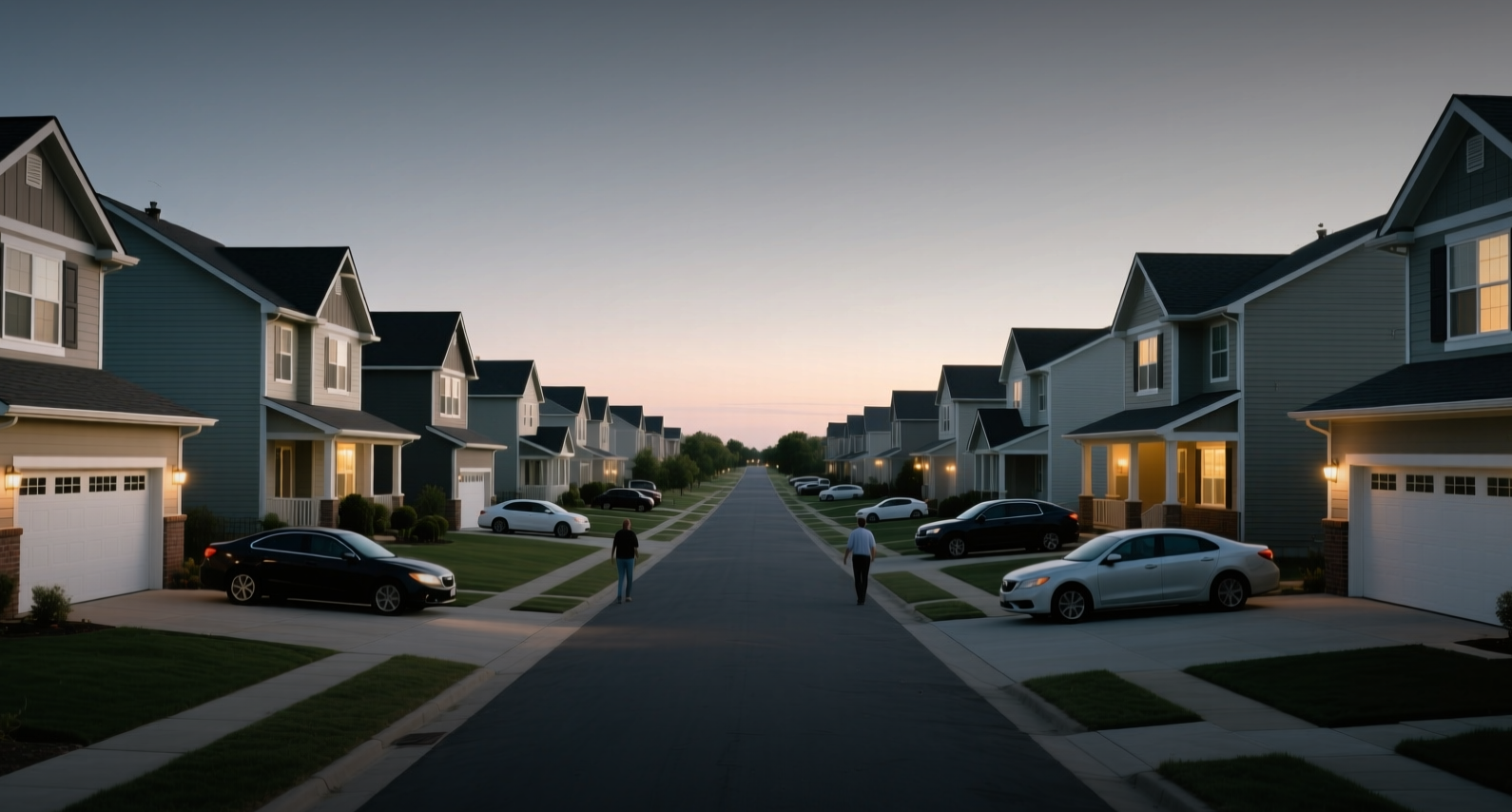
The upper-middle class has grown to 31 percent of US families from 10 percent in 1979, even as midterm candidates on both sides trade accusations over who truly counts as "working class."
The upper-middle income band now spans $109,000 to $326,000 for a family of two and $154,000 to $462,000 for a family of four, according to US Census data cited in a Wall Street Journal column by Andy Kessler. Manufacturing accounts for less than 10 percent of total employment, eroding the blue-collar shorthand that has long defined the label.
"If you have to work to pay your bills, I think that is one definition," Zohran Mamdani, mayor of New York, told the New York Times, a framing that would sweep in nearly every employed American. Representative Alexandria Ocasio-Cortez has pushed for "a working-class-centered politics," while former Chicago mayor Rahm Emanuel cautioned that "socialists have been repulsing" paycheck-to-paycheck voters.
The expansion of the upper-middle class reflects dual incomes and upward mobility rather than exploitation, the column argues, though geography determines whether those households feel affluent. A family earning $150,000 in rural Ohio sits in a different economic reality than one in Manhattan, where housing costs consume a far larger share of income. The US Census measures income growth and economic mobility between classes, in contrast to India's caste system, which the country banned in 1950 before adding "caste enumeration" to its census in 2025.
The definitional fight carries direct policy stakes. Mamdani has proposed a pied-à-terre tax on out-of-town owners of second homes in New York, framing it as a matter of fairness: "The best city in the world deserves the best parks, libraries and schools in the world. That's only possible when we all pay our fair share." Critics read "fair share" as a euphemism for higher levies on the affluent.
The rhetoric echoes earlier cycles. John Steinbeck wrote in Esquire in 1960 that Americans had "no self-admitted proletarians," describing a nation of "temporarily embarrassed capitalists." That self-image persists even as income inequality remains a central campaign theme, with Senator Bernie Sanders arguing that "billionaires get richer while working families struggle."
The politics of envy has a target-rich environment. The upper-middle class, now the largest income group, carries a target on its back even though its growth stems largely from hard work and dual incomes, the column notes. Blogger Charles Hugh Smith has catalogued 10 distinct classes — from deep state and oligarchs to gig-economy precariat — that he argues increasingly resent one another.
The working class is larger than Mamdani's definition suggests, infused from the lower class through the upper class. Work ethic knows no class boundary: chief executives routinely log more than 80 hours a week, and Elon Musk famously slept under his desk at a Tesla factory. The column's broader point is that class labels are political spin more than socioeconomic fact.
The midterm framing matters because it determines which voters each party courts and which tax policies gain traction. If "working class" is defined by labor rather than income, the coalition expands dramatically — and so does the constituency for redistribution. If it is defined by income bands, the upper-middle class becomes a swing group that neither party can afford to alienate.
The column closes with a pointed jab at the Democratic Party's embrace of class rhetoric, likening it to a virus that wiped out humanity but spared Burning Man attendees, who then repopulate the earth. "I think that's already happened to the Democratic Party," Kessler writes.
This article is for informational purposes only and does not constitute investment advice.
