
미국 채권 시장이 이번 주 상징적인 임계값을 넘어서면서 연방준비제도의 정책 경로가 복잡해졌고, AI가 주도한 주식 시장 랠리의 지속 가능성에 대한 의문이 제기되고 있습니다.
미국 채권 시장이 이번 주 상징적인 임계값을 넘어서면서 연방준비제도의 정책 경로가 복잡해졌고, AI가 주도한 주식 시장 랠리의 지속 가능성에 대한 의문이 제기되고 있습니다.
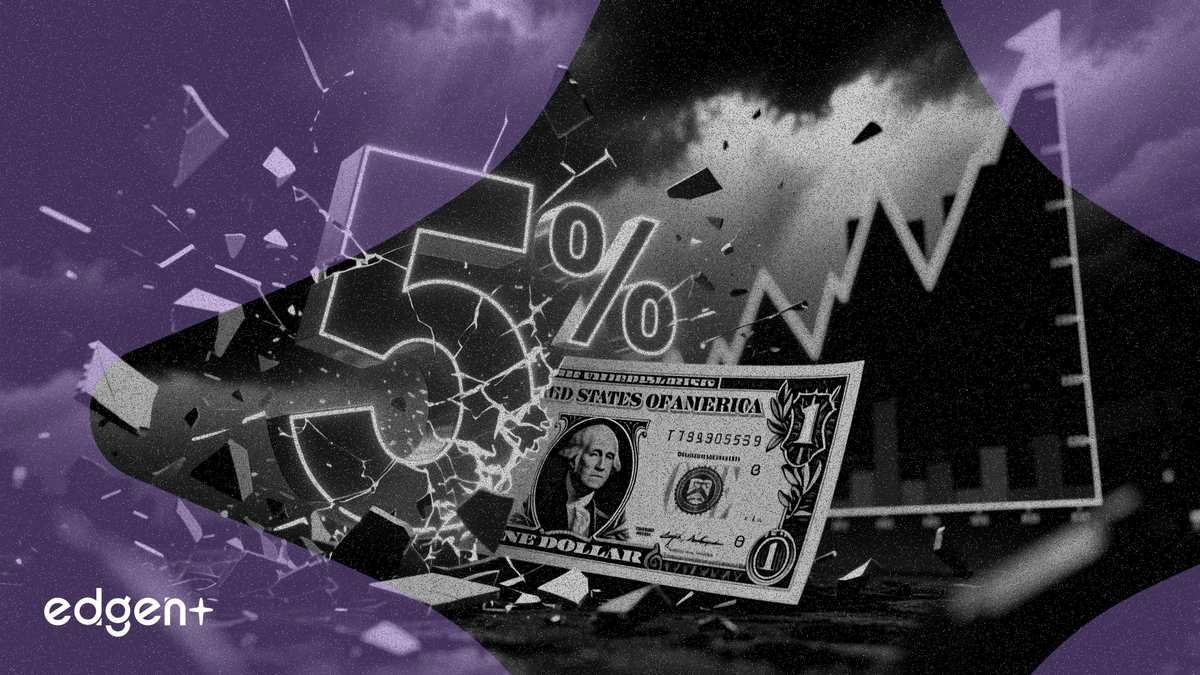
미 재무부가 250억 달러 규모의 30년물 국채 입찰에서 5.058%의 금리를 기록한 이후, 미국의 장기 차입 비용이 2008년 글로벌 금융 위기 이전 수준으로 급등했습니다. 이 벤치마크 지표가 5% 문턱을 넘은 것은 2007년 이후 처음입니다.
LPL 파이낸셜의 수석 기술 전략가인 아담 턴퀴스트는 "장기 금리의 지속적인 상승 압력은 주식 시장, 특히 높은 할인율과 긴축된 금융 여건에 민감한 성장 섹터와 밸류에이션에 점증하는 역풍이 될 수 있다"고 말했습니다.
이번 이정표적인 금리 상승은 투자자들이 회복력 있는 경제 성장, 지속적인 인플레이션, 그리고 지속되는 정부 차입이라는 복합적인 상황에 직면한 가운데 발생했습니다. 10년물 국채 금리는 4.46%로 올랐고, 2년물은 소비자 물가가 전년 대비 3.8% 상승했다는 최근 데이터에 따라 4%를 향해 가고 있습니다. 10주간 이어진 이란 전쟁으로 에너지 비용이 상승하면서 인플레이션은 연방준비제도의 2% 목표치에서 더욱 멀어졌습니다.
5% 돌파는 곧 취임할 케빈 워시 연준 의장의 앞날을 더욱 복잡하게 만들고 있습니다. 그는 중앙은행이 통화 정책을 완화하기 어려운 까다로운 정책 환경을 물려받게 되었습니다. 상승하는 국채 금리는 모기지 및 기업 부채 비용에 직접적인 영향을 미치며, 정부가 40조 달러에 육박하는 국가 부채에 대해 더 높은 조달 비용에 직면한 상황에서 경제 성장을 둔화시킬 위협이 되고 있습니다.
투자자들은 2년간의 긴축 통화 정책에도 불구하고 여러 요인의 결합으로 인플레이션 압력이 지속될 수 있다는 점을 점점 더 우려하고 있습니다. 막대한 정부 차입 외에도 중동 분쟁으로 인한 공급 충격이 글로벌 원유 가격을 끌어올리며 지정학적 긴장이 주요 동인으로 작용하고 있습니다.
블랙록의 글로벌 고정수익 부문 CIO인 릭 리더는 "인플레이션 압력이 수요가 아닌 공급 측면에서 발생할 경우, 성장이 둔화되더라도 금리는 높은 수준을 유지할 수 있다"고 분석했습니다. 이러한 역학 관계는 연준을 인플레이션 통제와 금융 안정 유지라는 두 가지 책무 사이에 가두고 있습니다. 삭소뱅크의 수석 투자 전략가인 차루 차나나는 2030년까지 5조 달러를 넘을 것으로 예상되는 AI 분야의 막대한 자본 지출과 탈세계화가 향후 수년간 인플레이션을 자극할 가능성이 높다고 지적했습니다.
채권 시장의 혼란에도 불구하고 주식 시장은 S&P 500과 나스닥이 사상 최고치를 경신하며 회복력을 유지해 왔습니다. 기술주의 AI 주도 랠리는 지금까지 예상보다 뜨거운 인플레이션 보고서를 뚫고 나아갔습니다. 그러나 자본 비용이 상승함에 따라 이 추세의 지속 가능성에 의문이 제기되고 있습니다.
뱅크오브아메리카는 최근 보고서에서 "우리는 30년물 국채의 5% '마지노선'이 지켜질 것이라고 보지만, 붐이나 버블은 항상 금리의 가파른 급등으로 끝난다"고 경고했습니다. "만약 금리가 신고가로 치솟는다면 '파멸의 문'이 열리기 시작할 것"이라고 덧붙였습니다. S&P 500이 7,500포인트를 테스트하고 있는 가운데, 치솟는 주식 가치와 장기 금리 상승이라는 냉혹한 현실 사이의 괴리는 투자자들에게 핵심적인 위험으로 남아 있습니다.
이 기사는 정보 제공 목적으로만 작성되었으며 투자 조언을 구성하지 않습니다.
