
US intelligence has linked an explosive-laden drone found at a German airport to the Russian government, deepening concerns over Moscow's sabotage campaign against NATO logistics.
US intelligence has linked an explosive-laden drone found at a German airport to the Russian government, deepening concerns over Moscow's sabotage campaign against NATO logistics.
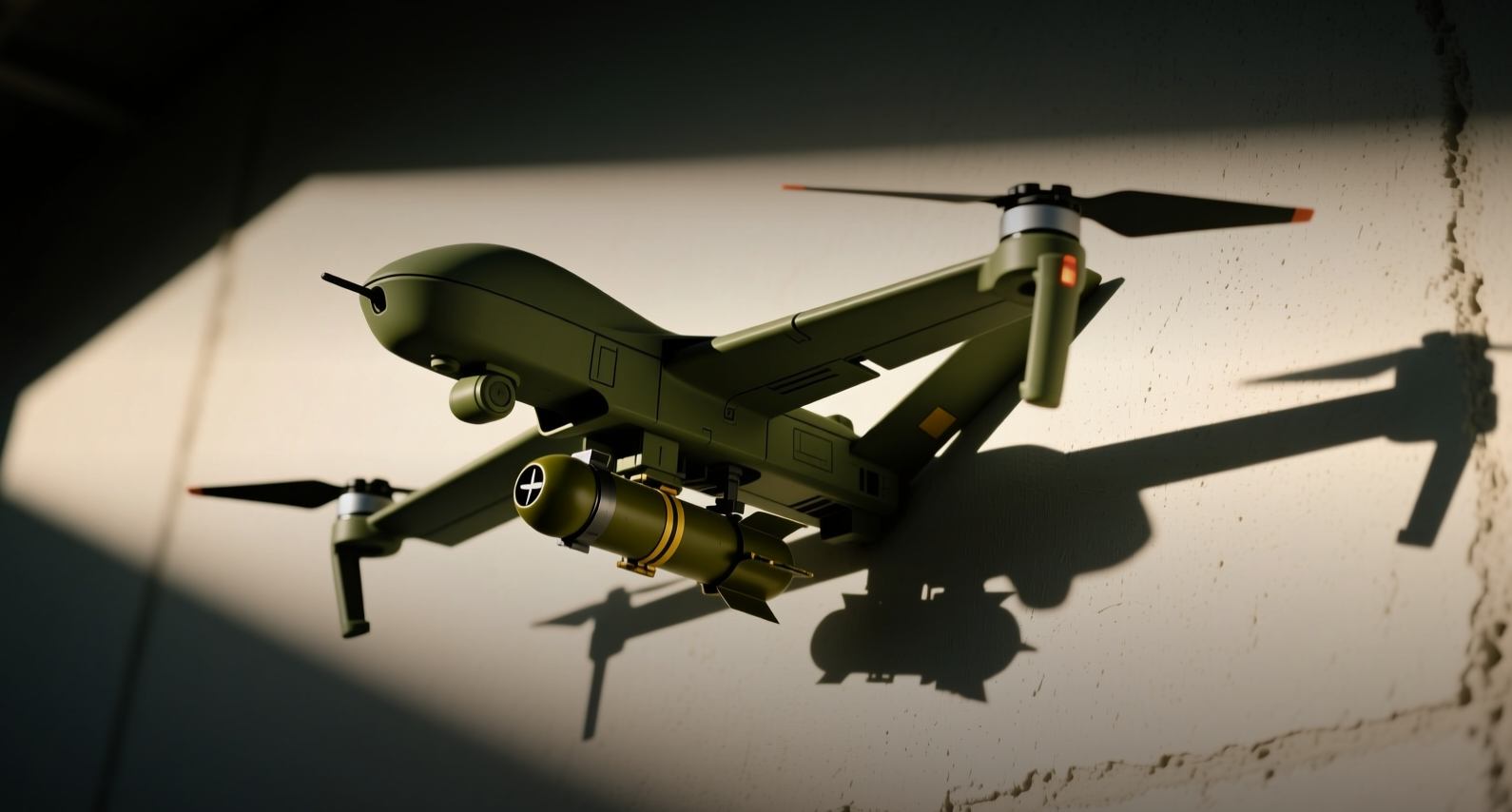
US intelligence has linked an explosive-laden drone found at a German airport to the Russian government, deepening concerns over Moscow's sabotage campaign against NATO logistics.
US intelligence has linked an explosive-laden drone discovered at Leipzig/Halle Airport in eastern Germany to the Russian government, according to officials familiar with the assessment cited by The Wall Street Journal. The device was found in a secure cargo area near a Ukrainian Antonov An-124 jet on the night of Aug. 4, forcing the airport to suspend operations until morning.
German Interior Minister Alexander Dobrindt called the discovery "a new level of danger," saying the investigation would assess whether foreign powers were involved. German media reported the drone's detonator failed to activate.
The incident is the latest in a pattern of suspected Russian probing attacks against European infrastructure. Suspicious drones were spotted at least 144 times across 13 countries between August 2024 and February 2026, according to a report by the London-based International Institute for Strategic Studies. Russian cruise missiles have landed in Poland and drones have flown into Romania, Western security officials said.
The assessment comes as US intelligence reports say President Vladimir Putin could test NATO's resolve with a limited assault on an allied country within the next few years, with scenarios ranging from a cyberattack to a small-scale ground invasion. Germany's Federal Security Council, chaired by Chancellor Friedrich Merz, convened Aug. 7 to discuss the case.
Leipzig/Halle has served as the primary European operating base for Antonov Airlines since 2022 and is regularly used for NATO-related military and logistics flights. Ukraine's Foreign Ministry said no people were injured and Antonov's aircraft were not damaged.
Authorities are also investigating a second unidentified object that collided with a cargo plane after the aircraft aborted its landing at Leipzig because of the closure. The plane suffered minor damage and landed safely at a nearby airport, according to The Wall Street Journal.
Munitions Stockpiles Under Pressure
The heightened threat coincides with concern over depleted US munitions stockpiles. Transfers to Ukraine and recent expenditures in the conflict with Iran have drained stores of long-range Precision Strike Missiles, Army Tactical Missile Systems and Stinger surface-to-air missiles, as well as Patriot, SM-3 and THAAD interceptors, officials said. White House spokeswoman Anna Kelly said the US military had "more than enough" munitions to serve all of President Trump's strategic goals.
The last time a suspected Russian sabotage operation targeted European infrastructure was the 2022 Nord Stream pipeline explosions, which sent European gas prices to record highs and pushed defense stocks higher across the continent. European governments have since raised military budgets, and NATO members are now weighing replenishment orders for the depleted munitions.
The drone incident adds to the risk premium in European defense and aviation. Safe-haven flows into gold and government bonds are likely to persist while the threat assessment holds, and defense contractors including Lockheed Martin, RTX and General Dynamics stand to benefit from restocking demand as NATO members rebuild inventories. European airlines and logistics operators face higher security costs and potential flight disruptions as airports tighten drone defenses, a cost that is likely to be passed through to cargo and passenger fares.
This article is for informational purposes only and does not constitute investment advice.
