

- 連邦検察官は、合成麻薬密売事件に関連する 1.00001188 ビットコインの没収を求めています。
- 捜査では、バイナンスの記録、ブロックチェーン分析、および中国の法執行機関との情報共有が活用されました。
- DEA(麻薬取締局)の潜入捜査官は、デジタル決済と麻薬の出荷を紐付けるため、ビットコインで2度の購入を行いました。
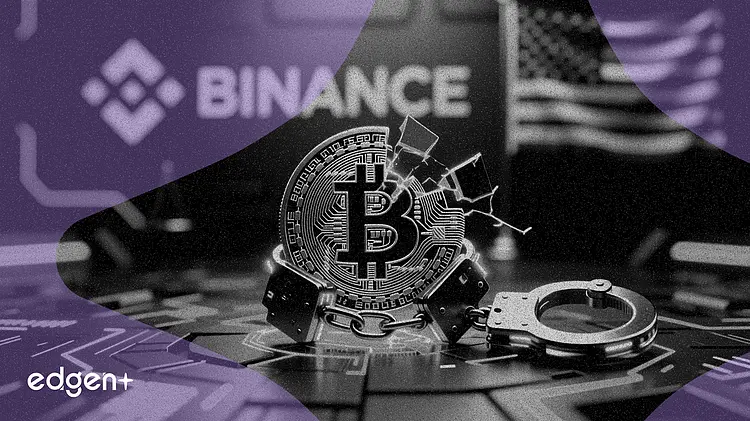
米連邦検察官は、ジョージア州で活動する合成麻薬輸入組織に関与している疑いのあるバイナンスの口座から押収された 1.00001188 ビットコインの没収を求めています。
司法省は2026年5月20日の声明で、「合衆国は、刑事起訴と最近公開された民事没収訴訟の両方を通じて、捜査中に押収された暗号資産の没収を求めている」と述べました。
2026年4月15日に公開された民事没収の訴状は、捜査当局が中国籍のウェイ・ゴン(Wei Gong)と関連付けたバイナンス口座53514319から押収されたビットコインを対象としています。ゴンに関連する身分証明書が使用されたこの口座では、2020年10月から2023年7月の間に666 BTCの取引があり、その中には約233万ドル相当の売却が含まれていました。バイナンスは2024年3月と4月に、これらのビットコインを麻薬取締局(DEA)に送金しました。
検察側は、押収されたビットコインは麻薬密売、関税法違反、およびマネーロンダリングの収益を代表するものであり、不正なデジタル金融に対する広範な取り締まりの一環であると主張しています。引き渡されて有罪判決を受けた場合、ゴンは各罪状で最大20年の禁錮刑に処される可能性があり、暗号資産に関連する犯罪に対する罰則の厳格化が浮き彫りになっています。
政府の立証は、暗号資産による支払いと物理的な麻薬の出荷を関連付けるために、ブロックチェーン分析と潜入捜査に大きく依存しています。2023年3月28日、DEAの捜査官は、エウチロン(eutylone)の疑いがある5キログラムの出荷に対して 0.18092382 BTC(訴状での評価額は4,868.59ドル)を送金しました。2023年6月20日の2回目の潜入購入では、1キログラムに対して 0.03589067 BTCが支払われました。
捜査当局は、コインベース、Huobi、OKXを含む複数の取引所にわたる支払いの流れを追跡し、デジタル決済をジョージア州で差し押さえられた規制物質の小包と結びつけました。ゴンに対する事件は、米国の機関が公式の法執行チャンネルを通じて情報を共有した後、中国当局の協力のもとで構築されました。
サバンナの事件は、暗号資産を利用する犯罪ネットワークを解体するために国際的な法執行機関が協力する広範な傾向の一部です。2026年5月19日から22日の間に、ユーロポール(Europol)は31カ国が関与する大規模な作戦を完了し、組織犯罪に関連する銀行口座や暗号資産ウォレットを特定しました。
これとは別に、新たなEU・メキシコ貿易協定には疑わしいデジタル流出を監視する条項が含まれており、特にシナロア・カルテルのようなグループが国際的な資金洗浄に暗号資産を使用していることへの懸念が言及されています。イタリアでは最近、警察がテレグラムで偽札を販売しビットコインで支払いを受け取っていた偽造ネットワークを解体し、61人を起訴しました。これらの行動は、デジタル資産分野に金融インテリジェンスと国境を越えた協力を適用しようとする、協調された世界的な取り組みを示しています。
この記事は情報提供のみを目的としており、投資アドバイスを構成するものではありません。
