
The S&P 500's recent 9.8% surge marks a stark decoupling from US Treasuries, as investors weigh the competing impacts of inflation, earnings growth, and fiscal spending in the wake of the recent Iran conflict.
The S&P 500's recent 9.8% surge marks a stark decoupling from US Treasuries, as investors weigh the competing impacts of inflation, earnings growth, and fiscal spending in the wake of the recent Iran conflict.
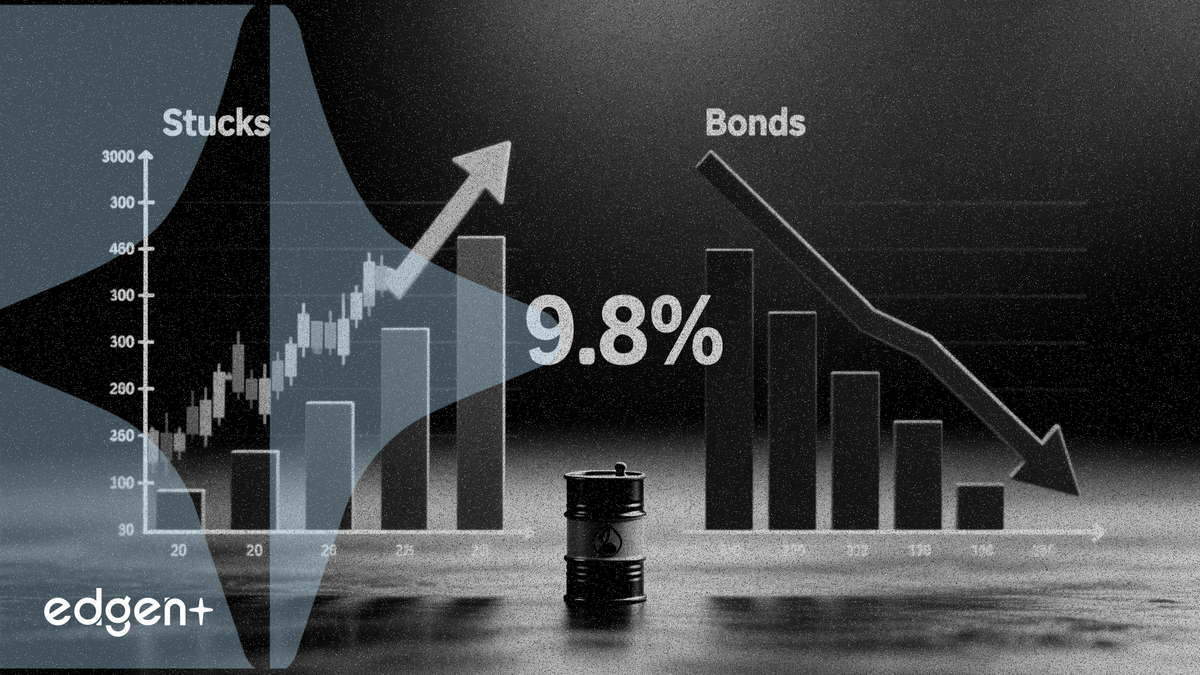
The S&P 500 index just posted its strongest 10-day gain since April 2020, rallying 9.8% as investors recalibrate risk, even as US Treasury yields have recovered only a fraction of their recent climb following the start of the Iran war. This divergence highlights a split in how markets are pricing the impacts of fluctuating oil prices, inflation, and future government spending.
"There's a lot of complacency that this can resolve itself fast. What's priced in is that we have an off-ramp," said Brad Conger, chief investment officer at Hirtle Callaghan. "I think we're a lot worse off than February 27th, and we're at the same price."
The S&P 500 has now erased its post-conflict losses, returning to its February 27 level. This resilience comes despite a 40% spike in oil prices and a jump in the benchmark 10-year Treasury yield to around 4.3% from 3.96% over the same period. Markets have also priced out most expectations for Federal Reserve rate cuts this year, with futures now implying just 6 basis points of easing by December.
The key difference in outlook stems from the market's focus on a robust corporate profit outlook and the prospect of increased government spending, which are providing a buffer for equities against the inflationary pressures that continue to weigh on fixed income.
Equities have shown a greater tolerance for rising inflation, largely because corporate revenues and earnings are nominal figures that can rise with the price level. This provides a natural hedge that fixed-rate bonds lack. The outlook for S&P 500 earnings has improved since the conflict began, with analysts now forecasting 19% growth in 2026, up from a 15% estimate before the war, according to LSEG IBES data. This stronger earnings profile has made stock valuations more attractive, with the forward price-to-earnings ratio for the S&P 500 declining to 20.4 from over 23 in late October.
The prospect of expanded fiscal stimulus, driven by both short-term consumer subsidies and longer-term spending on defense and energy independence, is further fueling the divergence. For the bond market, this translates into expectations of greater Treasury supply, which puts downward pressure on prices and pushes yields higher. For stocks, however, the same fiscal expansion is viewed as a tailwind for aggregate demand, benefiting sectors like defense and energy. This dynamic explains why bonds remain tightly correlated with oil price-driven inflation fears, while stocks have begun to decouple.
This article is for informational purposes only and does not constitute investment advice.

