
주요 핵심 내용:
- 미 재무부는 이란 내 암호화폐 사용 보고에 따라 비난스의 핵심 경영진 인터뷰와 데이터 기록 접근을 요청했습니다.
- 이번 조치는 이미 미국 정부의 감시를 받고 있는 세계 최대 암호화폐 거래소에 대한 규제 압박이 강화되고 있음을 시사합니다.
- 비난스 법무팀은 규제 당국이 블록체인을 오해하고 있다고 주장하며, 개방형 네트워크에서 불법 자금에 대한 '노출 제로'는 기술적으로 불가능하다고 밝혔습니다.
주요 핵심 내용:
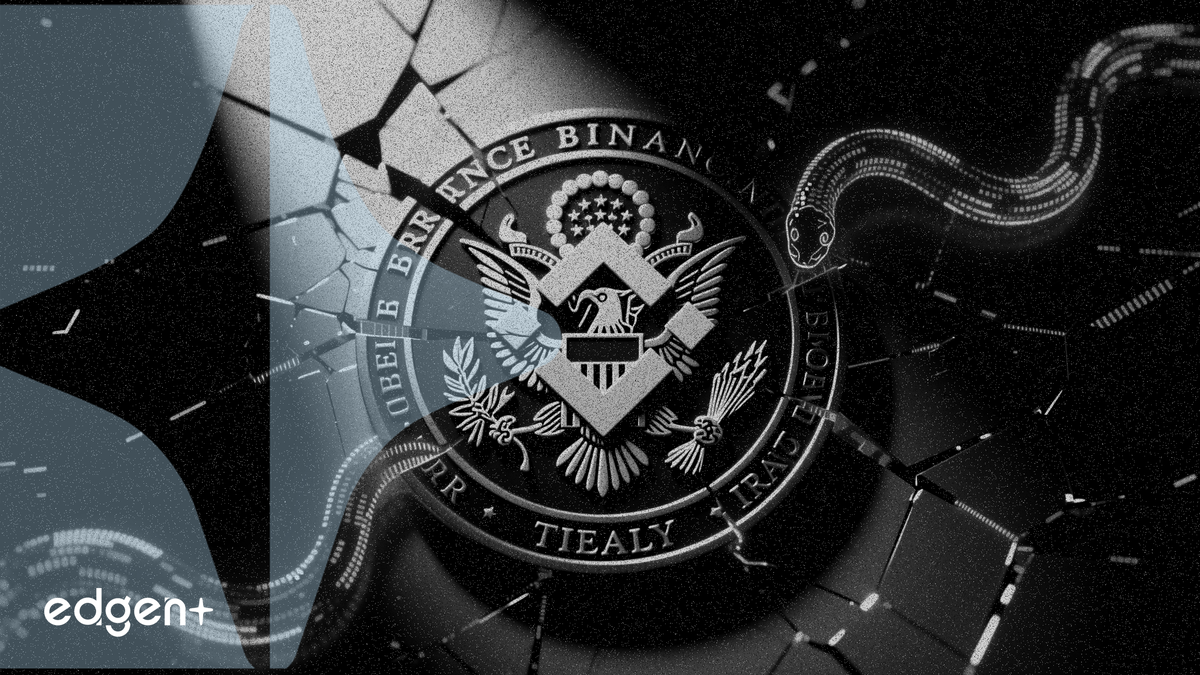
미 재무부는 세계 최대 암호화폐 거래소인 비난스(Binance)의 서비스가 이란에서 사용되었다는 보고에 따라, 핵심 경영진 인터뷰와 내부 기록 접근을 요구하고 있습니다.
The Information이 처음 보도한 이 준수 요구는 비난스의 규제 업무 책임자인 듀건 블리스(Dugan Bliss)가 공공 블록체인에서 불법 자금에 대한 '노출 제로' 표준은 달성 불가능하다고 주장하는 가운데 나왔습니다.
재무부의 조사는 잠재적인 제재 위반에 초점을 맞추고 있으며, 이는 비난스가 법무부와 금융범죄단속네트워크(FinCEN)의 감시에 동의한 2023년 형사 합의 이후 기존의 감독 체계에 더해지는 압박입니다. 블리스는 최근 인터뷰에서 "블록체인 기술로 무엇이 가능한지에 대해 규제 당국 측의 오해가 있다고 생각한다"고 말했습니다.
이러한 대립은 디지털 자산의 규제 준수를 둘러싼 중대한 이견을 드러냅니다. 케빈 오리어리(Kevin O’Leary)와 같은 투자자들에게 있어 명확한 연방 규칙의 부재와 집행 조치의 위험은 주요 기관 자본이 암호화폐 시장에 진입하는 것을 가로막는 주요 장벽으로 남아 있습니다.
비난스의 입장은 규제 준수 논쟁을 '모든 불법 노출 제거'에서 '최소화'로 재편하며, 이는 향후 업계 규제에 있어 중추적인 구분이 될 수 있습니다. 미 증권거래위원회(SEC)에서 수석 재판 변호사로 근무한 후 비난스에 합류한 블리스는 회사가 '최고 수준의 준수 프로그램'을 구축하고 있다고 주장하면서도, 기술적으로 실현 불가능할 수 있는 기대에는 반발하고 있습니다.
블리스는 "그것이 노출 제로로 이어지지는 않을 것이다. 그것이 블록체인의 본질이다"라고 말하며, 암호화폐 네트워크의 개방적이고 가명적인 특성과 전통 은행 업무에 적용되는 엄격한 자금 세탁 방지 표준 사이의 긴장을 강조했습니다.
규제 불확실성은 기관의 채택에 계속해서 그림자를 드리우고 있습니다. 투자자 케빈 오리어리는 최근 Consensus 컨퍼런스에서 미국의 디지털 자산에 대한 포괄적인 법적 프레임워크 없이는 월스트리트의 토큰화 열풍이 "대부분 과장된 것"이라고 주장했습니다.
오리어리는 "토큰화는 기관 인덱서들에 의해 절대 채택되지 않을 것이다. 비트코인도 마찬가지로 거대 투자자들에게는 여전히 변방의 자산일 뿐"이라며, 전환점은 공식 법안이 통과되어야만 올 것이라고 주장했습니다.
집행 조치가 역풍을 일으키고 있는 반면, 업계의 일부는 전통 금융과의 가교를 적극적으로 구축하고 있습니다. 최근 Ondo Finance, Ripple, Mastercard, JPMorgan이 참여한 파일럿 프로그램은 토큰화된 미 국채의 실시간 정산을 시연했으며, 이는 24시간 연중무휴 작동하는 준수된 금융 인프라 구축을 목표로 합니다. 이러한 진전은 업계의 이중적 현실을 보여줍니다. 즉, 규제된 통합을 위한 추진과 세간의 이목을 끄는 규제 갈등이 공존하고 있다는 점입니다.
이 기사는 정보 제공 목적으로만 작성되었으며 투자 조언을 구성하지 않습니다.
