
Fed Chair Kevin Warsh steps onto the Jackson Hole stage Friday with inflation at 3.7 percent — nearly double the central bank's target — and investors still guessing at his policy playbook.
Fed Chair Kevin Warsh steps onto the Jackson Hole stage Friday with inflation at 3.7 percent — nearly double the central bank's target — and investors still guessing at his policy playbook.
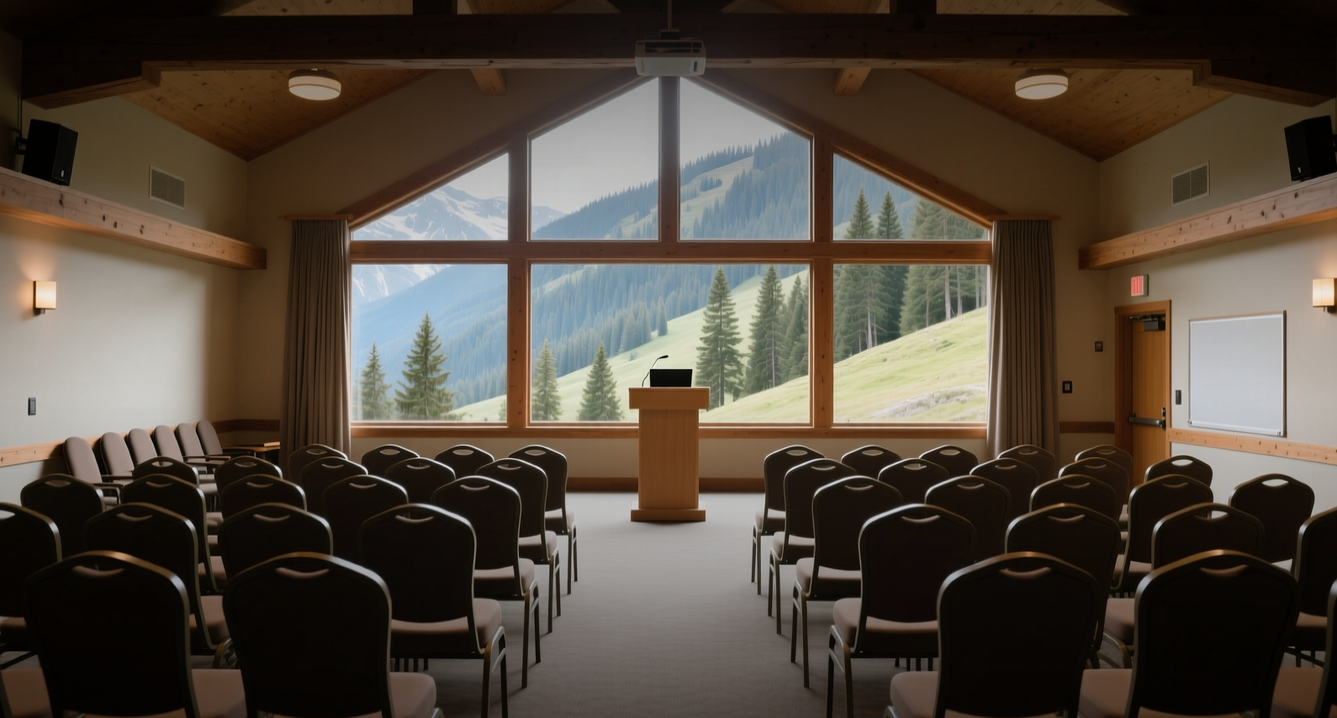
Federal Reserve Chairman Kevin Warsh delivers his first Jackson Hole address Friday with prices climbing at 3.7 percent, more than a percentage point above the central bank's 2 percent target, and futures markets pricing roughly a one-in-three chance of a September rate hike.
"I'd like to hear him be a bit more communicative," said Kathy Bostjancic, chief economist at Nationwide. "We're not talking forward guidance. Just some understanding of how he views the inflation dynamics right now."
The Fed's preferred inflation gauge rose 3.7 percent in the 12 months through July, easing from 4.1 percent in May but still well above target. Warsh, who took charge of the central bank in May, has kept his strategy deliberately opaque, telling investors to watch the economy rather than Washington. The Federal Open Market Committee held its benchmark rate steady at its last meeting, and CME FedWatch data assigns about a 33 percent probability of a hike at the September 15-16 gathering.
The stakes extend beyond the next rate decision. How Warsh communicates shapes how businesses price capital, how Treasury yields anchor, and how the dollar trades against major currencies. A hawkish surprise would cascade through rate-sensitive equities, while a dovish pivot could fuel the very inflation he has pledged to contain.
Warsh has indicated he may keep his remarks at high altitude rather than offer a sea-level forecast. "If I could, in the high mountain air in Jackson, Wyoming, I'd like to also frame the big questions," he said last month after the Fed voted to hold rates steady. "What's really happening with productivity? What's really happening with demographics? What's really happening to the global economy amid the shocks?"
He declined to preview his remarks when he met with reporters last month. "I look at it like a blank piece of paper right now," Warsh said. "I haven't made a decision whether it's going to be a big-picture speech or more of a set-up of all the action that we're going to have between September and December."
The approach frustrates investors who remember the Fed's communication failures during the 2021-2023 inflation surge, when officials dismissed price pressures as "transitory" before executing the fastest tightening cycle in four decades. The last time a Fed chair used Jackson Hole to signal a major policy shift was 2022, when Jerome Powell's brief but pointed warning about "some pain" ahead preceded a 75-basis-point hike the following month. That precedent hangs over this year's gathering, with markets parsing every word for a similar pivot.
AI's Two-Sided Inflation Equation
Warsh is bullish that the artificial intelligence boom will eventually help curb inflation by lifting productivity growth. But the near-term reality cuts the other way. AI infrastructure spending is pushing up costs for construction crews and computer memory chips, adding to price pressures at a time when the Fed can ill afford them.
"In the near term at least, there's clear evidence that AI is an inflationary force," said Matthew Luzzetti, chief U.S. economist at Deutsche Bank. "But there's hope that over the medium term, if we look several years out, it will begin to be a disinflationary force by lifting productivity growth, making the economy far more productive."
The dual nature of AI's inflation impact complicates Warsh's communication challenge. If he leans too heavily on the long-term productivity story, markets may read it as complacency about near-term price pressures. If he emphasizes the short-term inflationary impulse, he risks sounding more hawkish than the data warrant.
What Markets Need to Hear
The Fed's benchmark rate has been held steady since Warsh took the helm in May, following a period of elevated inflation that forced the central bank to keep policy restrictive. The September meeting looms as the first real test of whether Warsh's deliberate vagueness translates into action.
If Warsh indicates patience, Treasury yields could ease and equities could extend gains. If he hints at further tightening, the dollar could strengthen and growth stocks could face renewed pressure. Either way, the market's read on his Jackson Hole remarks will set the tone for the September FOMC decision, and the communication gap Warsh has left open will either narrow or widen based on what he says Friday.
This article is for informational purposes only and does not constitute investment advice.
