
Warsh's Jackson Hole speech marked his most explicit acknowledgment yet that rate hikes may be needed to hit the 2 percent inflation target.
Warsh's Jackson Hole speech marked his most explicit acknowledgment yet that rate hikes may be needed to hit the 2 percent inflation target.
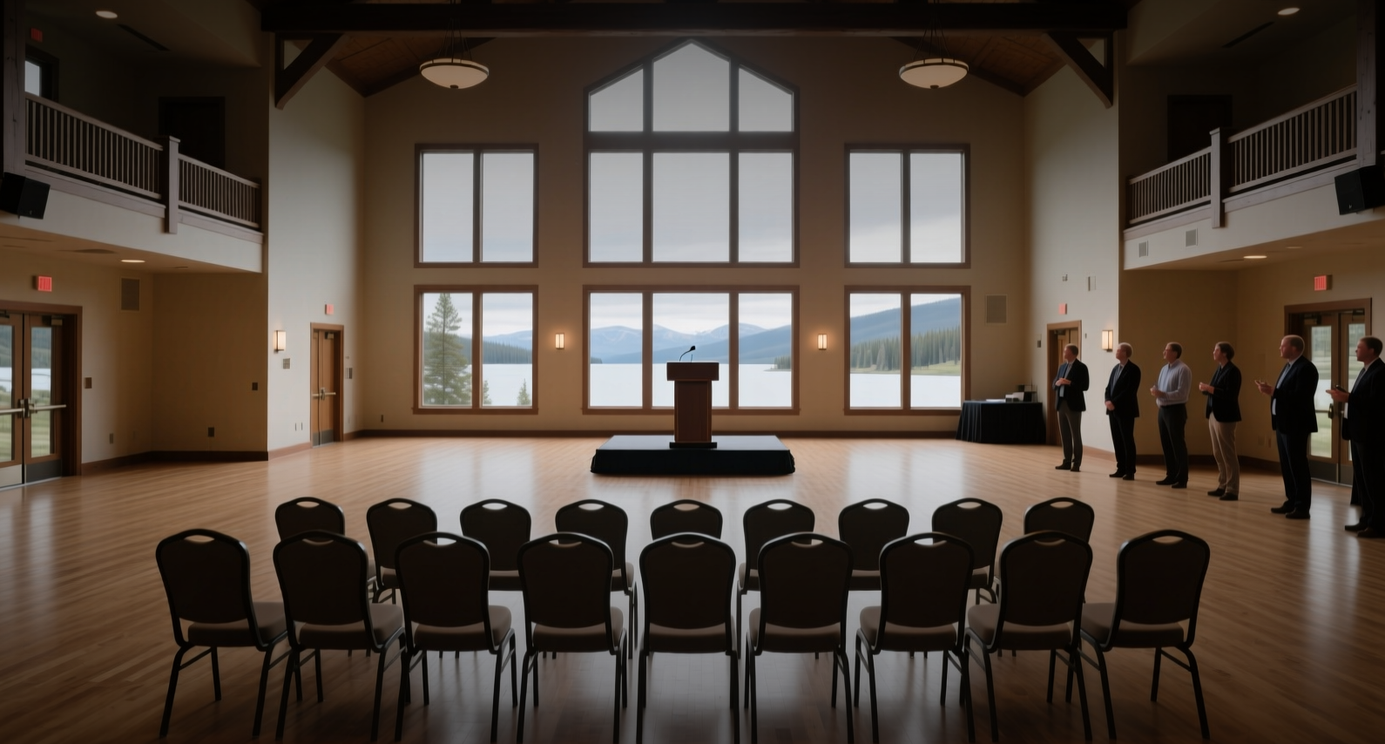
Fed Chairman Kevin Warsh said Friday the central bank will "have work to do" if inflation does not move convincingly toward its 2 percent target, pushing rate-futures pricing for a September hike to roughly 60 percent from 40 percent before his Jackson Hole address.
"We must be confident that underlying inflation is moving to our objective, clearly and at sufficient speed. Otherwise, we have work to do. That's our job ... our mandate ... and our charge to keep," Warsh said in the keynote speech to the Kansas City Fed's annual economic symposium in Wyoming.
The remarks sent bond yields higher and stocks lower as traders recalibrated expectations for the September 15-16 Federal Open Market Committee meeting. The fed funds rate has sat at 3.50 percent to 3.75 percent since December, while the Fed's preferred Personal Consumption Expenditures Price Index ran at 3.7 percent annually in July — more than five years above target.
With three policymakers already dissenting at the July meeting in favor of tightening, Warsh's shift raises the stakes for the August inflation and jobs reports due early next month. If price data stays firm, Capital Economics analysts said a hike could come before their current December forecast.
Warsh's 16-page address covered long-run themes including artificial intelligence's influence on the economy, but the inflation passages drew the sharpest market reaction. He said recent data "do not tell me that underlying trends have meaningfully improved," with about half of the items in the PCE basket increasing at more than a 3 percent annual rate — above the pre-pandemic norm. The Fed chief also said that given current market interest rates and a policy rate unchanged since December, "credit and loan markets are showing few signs of policy restraint." That assessment could lay the groundwork for arguments in favor of a hike if inflation persists, analysts said.
Rate futures now imply about a 60 percent chance of a hike at the September meeting, up from roughly 40 percent before the speech. Bond yields rose and equities edged lower as investors digested the more hawkish tone. The last time the Fed moved toward a tightening cycle after a prolonged hold was in 2022, when the committee delivered 425 basis points of cumulative hikes over 12 months, a period that saw the S&P 500 fall 19 percent from peak to trough.
Warsh explicitly said his remarks should not be read as "forward guidance" or a "reaction function," but former Philadelphia Fed President Patrick Harker said the message was clear. "We're moving up on six years where we've been above target," Harker said. "You can't keep saying this is our job and then not act. As the old saying goes, actions speak way louder than words."
The shift in tone was notable for its contrast with Warsh's first two press conferences, where he had offered vague promises to deliver price stability without specifying how. Friday's speech, by contrast, laid out a clear standard: confidence that underlying inflation is moving to target "clearly and at sufficient speed." That framing gives the committee room to hike if August data disappoints, while preserving flexibility if price pressures ease.
Warsh, appointed by President Donald Trump, had faced criticism in some quarters for being overly deferential to the president's expectation of lower rates. Friday's speech went further than his first two press conferences in showing a willingness to tighten. He also noted the Fed "needs clear market signals, as unfiltered as possible" to set proper monetary policy — a comment that came as Treasury Secretary Scott Bessent's market interventions have put downward pressure on long-term yields.
The August employment report, job growth figures, and consumer inflation data are all due in the first half of September, giving the committee a full data picture before the September 15-16 decision. If inflation prints remain firm, the probability of a hike could rise further; if they soften, Warsh's "work to do" language may prove to be a floor rather than a pivot. Either way, the Jackson Hole speech has reset the debate: the question is no longer whether the Fed will hike, but when.
This article is for informational purposes only and does not constitute investment advice.
