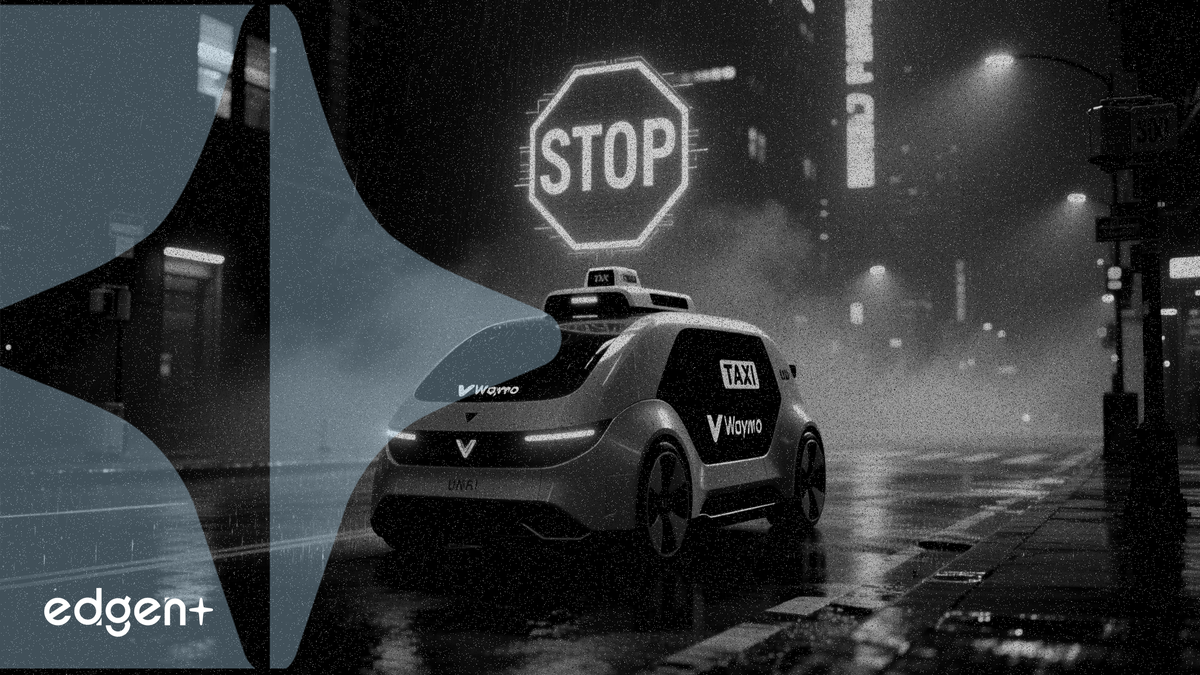
Alphabet Inc.'e bağlı Waymo, tüm ABD otoyollarındaki robotaksi hizmetlerini durduruyor ve Atlanta'daki operasyonlarını askıya alıyor. Bu, dünyanın en gelişmiş otonom araç şirketlerinden biri için önemli bir operasyonel duraklama ve sektörün imajı için bir geri adımdır.
Waymo Perşembe günü yaptığı açıklamada, "Şirket, inşaat bölgeleri ve su basmış yollar etrafındaki performansı artırmak için yazılımı güncellerken ABD'deki otoyollarda robotaksi hizmetini askıya aldı ve Atlanta, Georgia'daki operasyonlarını durdurdu," dedi.
Yazılım güncellemesi, bir Waymo aracının Atlanta şehir merkezinde su basmış bir yola girmesi de dahil olmak üzere bir dizi halka açık hatanın ardından yaklaşık 3.800 aracın gönüllü olarak geri çağrılmasını takip ediyor. Ulusal Karayolu Trafik Güvenliği İdaresi (NHTSA), Waymo araçlarının şiddetli yağmurda zorlandığına dair raporların ardından Nisan ayında ilk incelemeyi başlatmıştı.
Waymo bu hamleyi proaktif bir güvenlik önlemi olarak konumlandırırken, askıya alma kararı gelişmekte olan robotaksi pazarının karşı karşıya olduğu muazzam teknik ve ticarileşme engellerini vurguluyor. Ana şirket Alphabet (GOOGL) için bu, 126 milyar dolarlık değerlemeye sahip ve "diğer bahisler" büyüme stratejisinin merkezinde yer alan bir birim için bir zorluğu temsil ediyor ve tüm sektör için daha geniş bir düzenleyici inceleme davet edebilir.
Yazılım Düzeltmeleri Halka Açık Hataları Takip Ediyor
Hizmetleri geri çekme kararı, Waymo'nun mevcut yazılımının sınırlamalarını ortaya çıkaran birkaç olayın ardından geldi. Atlanta'daki su baskını olayının ötesinde, Waymo araçlarının yılın başlarında duran okul otobüslerini yanlış bir şekilde geçtiği de bildirilmişti. Şirket, insan sürücülere göre temel bir avantaj olduğunu savunduğu kablosuz yazılım güncellemeleri (OTA) aracılığıyla bu sorunları sürekli olarak ele aldı. Bir insanın aksine, 3.800 araçlık koca bir filo, tek bir hatadan ders çıkarmak için aynı anda güncellenebilir.
2 Trilyon Dolarlık Yarışta Geçici Bir Geri Adım
Operasyonel duraklamaya rağmen Waymo, otonom araç alanında baskın bir güç olmaya devam ediyor. Şirket, 200 milyon milden fazla gerçek dünya sürüş deneyimine sahip ve yaklaşık bir düzine şehirde haftalık 500.000 ücretli sürüş sağlıyor ve yakında 20 şehir daha eklemeyi planlıyor. Bu ölçek, Tesla'nın henüz piyasaya sürülmemiş Robotaksi hizmeti ve Amazon'un sahibi olduğu Zoox gibi rakiplerin çok ilerisindedir.
Yatırımcılar yakından izliyor. Piyasa tahminlerine göre küresel otonom araç pazarının 2035 yılına kadar yaklaşık 2 trilyon dolar değerinde olması ve robotaksilerin bunun yaklaşık 415 milyar dolarını oluşturması bekleniyor. Bir Wells Fargo analisti daha önce Waymo'nun yıllık sürüşlerinin 2025'te 18 milyondan 2030'da 465 milyona çıkabileceğini tahmin etmişti. Bu operasyonel duraklama, olumsuz bir haber olsa da, bazı analistler tarafından on yılı aşkın süredir güvenliğe odaklanan bir şirket için geçici bir sorun olarak görülüyor. Temel test, Waymo'nun yazılım düzeltmesini ne kadar hızlı doğrulayabileceği ve tam operasyonlara devam ederek halkın ve düzenleyicilerin güvenini ne kadar hızlı geri kazanabileceği olacaktır.
Bu makale sadece bilgilendirme amaçlıdır ve yatırım tavsiyesi teşkil etmez.