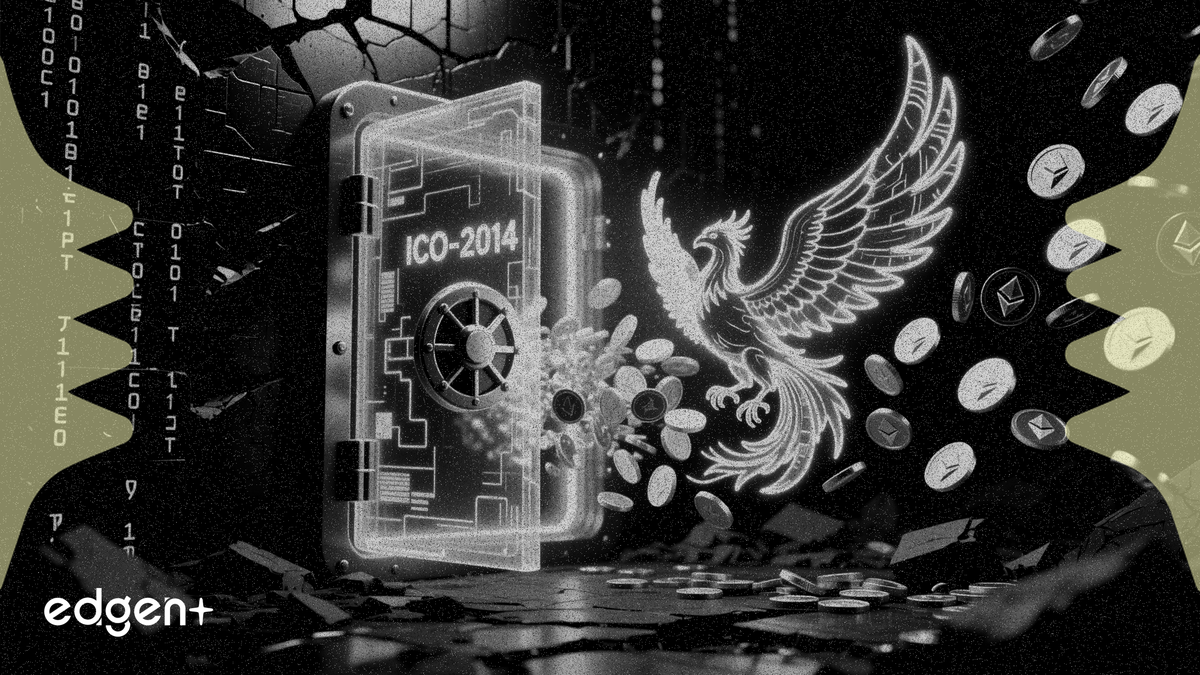
Một nhà nghiên cứu bảo mật dưới danh tính ẩn danh đã thu hồi khoảng 1.003 Ether, trị giá khoảng 2 triệu USD, từ một hợp đồng thông minh ICO Hong Coin năm 2016, nơi một lỗi chức năng hoàn tiền đã khiến tiền của nhà đầu tư bị mắc kẹt gần một thập kỷ.
"Hợp đồng đã giữ toàn bộ ETH của các nhà đầu tư và được thiết kế để tự động hoàn tiền lại cho họ. Tuy nhiên, một lỗi trong chức năng hoàn tiền đã âm thầm phá vỡ cơ chế đó, và số tiền bị kẹt lại," 0xflorent, white-hat hacker thực hiện việc thu hồi, cho biết trong một bài đăng trên X vào Chủ nhật.
ICO Hong Coin diễn ra từ ngày 29/8 đến 28/10/2016, chào bán 250 triệu token HONG qua năm giai đoạn như một phần của quỹ đầu tư mạo hiểm do cộng đồng điều hành và được quản lý bởi một tổ chức tự trị phi tập trung. Khi dự án không đạt được mục tiêu huy động vốn, hợp đồng thông minh được thiết kế để tự động hoàn trả khoản đóng góp cho 48 nhà đầu tư. Một lỗ hổng trong cơ chế hoàn tiền — lỗ hổng tràn số nguyên trong một chức năng quản trị — đã ngăn chặn các khoản hoàn trả đó được xử lý, khiến Ether bị đóng băng trên chuỗi.
Việc thu hồi đòi hỏi sự phối hợp với nhóm Hong Coin gốc. 0xflorent đã xác định rằng một chức năng quản trị có lỗi tràn số nguyên có thể đặt lại số dư của người nắm giữ token khi được gọi với một giá trị đầu vào cụ thể, mở khóa quy trình kiểm tra hoàn tiền. Vì chức năng này yêu cầu sự ủy quyền từ ví đa chữ ký của nhóm, 0xflorent đã liên hệ với các nhà phát triển, xác thực bản sửa lỗi trên mạng thử nghiệm, và nhóm đã phê duyệt 41 giao dịch — một giao dịch cho mỗi nhà đầu tư bị ảnh hưởng có số dư cần điều chỉnh. Bảy nhà đầu tư nắm giữ số lượng đủ nhỏ để nhận được hoàn tiền trực tiếp mà không cần giải pháp thay thế.
Dữ liệu trên chuỗi từ Etherscan xác nhận các khoản hoàn tiền đã bắt đầu đến tay các nhà đầu tư. Một người tham gia đã nhận được 96 ETH, trị giá khoảng 192.500 USD theo giá hiện tại, trong khi một người khác được hoàn lại 0,5 ETH. Cả hai đều tự nguyện thưởng cho 0xflorent bằng white-hat reward, mặc dù không có yêu cầu thanh toán nào. "Không có phí, không cắt hoa hồng, không hoa hồng," 0xflorent cho biết.
Vụ thu hồi Hong Coin không phải là trường hợp cá biệt. Vào ngày 24/5, 0xflorent đã báo cáo việc thu hồi 19,33 ETH từ hai hợp đồng cũ riêng biệt — một ICO thất bại từ tháng 1/2018 và một người dùng Liquality Wallet có tiền bị mắc kẹt trong một hoán đổi xuyên chuỗi đã hết hạn. Nhà nghiên cứu cho biết đã triển khai nút Ethereum của riêng mình và xây dựng công cụ quét để xác định các hợp đồng nắm giữ hơn 100 ETH, sau đó xem xét có hệ thống các ứng viên để tìm điểm yếu có thể khai thác. Anh đã sử dụng Claude Code để hỗ trợ sắp xếp và phân loại hợp đồng, mặc dù lưu ý rằng nền tảng AI có những hạn chế khi phân tích trực tiếp lỗ hổng bảo mật hợp đồng thông minh.
Sự việc này làm nổi bật rủi ro tiềm ẩn trong các hợp đồng thông minh thời kỳ ICO, nhiều trong số đó được xây dựng trên các phiên bản Solidity cũ thiếu các biện pháp bảo vệ như SafeMath chống lại lỗ hổng tràn số nguyên. Trong khi hồ sơ blockchain là vĩnh viễn, việc truy cập vào tài sản bị khóa có thể vẫn không thể thực hiện được nếu không xác định và khai thác các lỗ hổng ở cấp độ mã. Trường hợp này cũng chứng minh một mô hình khắc phục có trách nhiệm: sự can thiệp của white-hat phối hợp với các nhà phát triển gốc, thay vì khai thác thù địch, có thể giải phóng giá trị bị mắc kẹt mà không làm mất ổn định hệ sinh thái rộng lớn hơn.
Đối với ngành công nghiệp crypto, vụ thu hồi Hong Coin đặt ra những câu hỏi thực tế về việc có bao nhiêu hợp đồng tương tự đang ngủ yên vẫn đang giữ tiền bị mắc kẹt và những tiêu chuẩn nào nên chi phối các hoạt động thu hồi hồi tố. 0xflorent bày tỏ hy vọng rằng nhiều nhà nghiên cứu bảo mật hơn sẽ theo đuổi con đường này. "Về mặt đạo đức thì bổ ích hơn, và nó cũng có thể mang lại thu nhập tốt," anh nói.
Bài viết này chỉ mang tính chất tham khảo và không cấu thành lời khuyên đầu tư.