

Xiaomi is taking its car show on the road, formalizing a global expansion strategy that places it in direct competition with Tesla and BYD outside of China.
Xiaomi is taking its car show on the road, formalizing a global expansion strategy that places it in direct competition with Tesla and BYD outside of China.
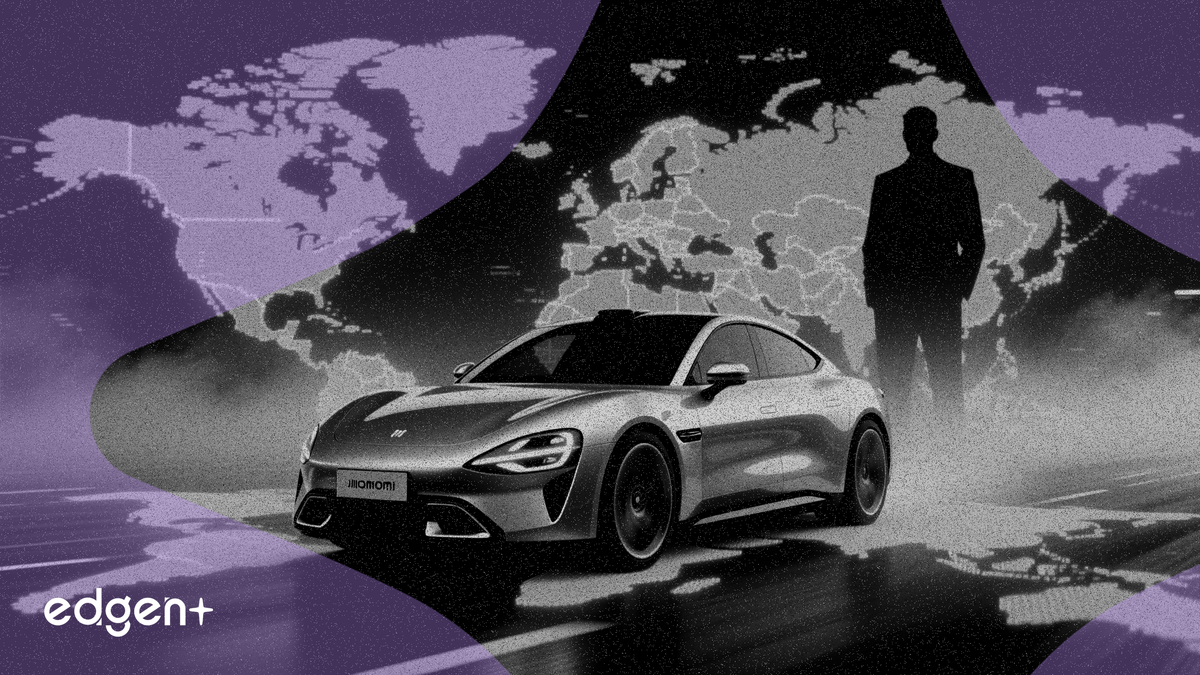
(P1) Chinese technology company Xiaomi Corp. is accelerating its push into the global electric vehicle market, appointing Vice President Yu Liguo to lead a new overseas preparatory group. The move signals a direct challenge to established automotive giants and aims to leverage the initial success of its SU7 sedan for international growth, a market where Chinese rival BYD sold over 240,000 units last year.
(P2) "The dual-reporting line for the new overseas head, directly to both CEO Lei Jun and President Lu Weibing, shows the high strategic priority of this global push," a person familiar with the matter said. "This is not an exploratory team; it is an execution-focused group."
(P3) The appointment follows the strong domestic launch of the SU7, which quickly garnered intense interest in China with its competitive pricing and deep integration with Xiaomi's consumer electronics. The SU7 is manufactured by BAIC Group, a state-owned automaker, but this new overseas initiative brings a core part of its EV future directly under Xiaomi's senior leadership.
(P4) For investors, this formalizes Xiaomi’s ambition to evolve beyond a hardware manufacturer into a vertically integrated powerhouse, a strategy that powered BYD's ascent. Success could significantly expand Xiaomi's total addressable market, but it also commits the company to billions in future spending as it competes with EV leaders who have a decade-plus head start in global markets.
Xiaomi's strategy appears to follow the vertically integrated model of BYD, which started as a battery maker before becoming the world's largest EV seller. Batteries account for roughly 35% to 45% of an EV's production cost, and by bringing battery development in-house, as suggested by the recent establishment of Xiaomi Jingxu Technology Co., Ltd. for battery manufacturing, the company could gain significant advantages in cost, supply chain stability, and innovation. Currently, Xiaomi sources batteries from CATL and BYD's own FinDreams unit, a dependency this new strategy aims to reduce.
Unlike traditional automakers, Xiaomi's biggest advantage may be its massive existing user base and experience in building connected digital platforms. The company aims to create a tightly integrated technology environment where its smartphones, smart home devices, and vehicles work together. This software-first approach is a key differentiator in a crowded market and could appeal to a younger demographic of digital-native consumers, a playbook that traditional car companies have struggled to execute.
Global expansion will not be easy. Xiaomi will face significant hurdles, including geopolitical tensions, trade tariffs, and complex safety and emissions regulations in target markets like Europe and Southeast Asia. The company will also face intense competition from Tesla, which remains the dominant global EV brand, and other Chinese automakers like GWM, which are already establishing their own "ecosystem-based globalization" strategies. Navigating these challenges will require substantial capital and a nuanced understanding of local market dynamics, a far greater challenge than winning in its protected home market.
This move is a clear statement of intent. While Xiaomi's EV journey is just beginning, the creation of a dedicated overseas team under a senior vice president is the first concrete step in transforming a successful domestic product launch into a genuine global automotive brand. The key question for investors is no longer if Xiaomi will expand, but how effectively it can execute against entrenched competition on the world stage.
This article is for informational purposes only and does not constitute investment advice.

