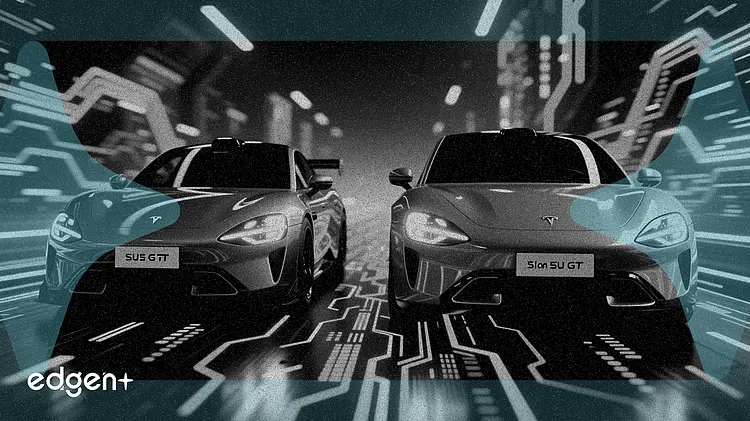
Xiaomi Corp. will launch its new SU7 GT electric vehicle on May 21, a move that escalates the intense price and technology war in China’s premium EV market as competitor Tesla Inc. sees its market share decline.
The launch follows the initial success of the standard SU7, which secured over 30,000 confirmed orders within days of its debut. The new GT variant is expected to target the higher-end performance segment, further challenging established players. This comes as Tesla’s share of China’s EV market fell to 4% in April, with local sales dropping nearly 10% from a year ago to 25,956 vehicles, according to the China Passenger Car Association.
For Xiaomi, the GT launch is critical for bolstering its 24.3% gross margin in the EV business and justifying its heavy investment in the sector. The success of premium models is crucial as the company's overall stock has fallen over 22% this year amid plunging per-share profit forecasts, with the next quarterly results due May 26.
BYD and Tesla Raise Competitive Stakes
The competitive pressure is not just coming from sales figures. BYD, a dominant force in the market, is rapidly advancing its technology. The company is rolling out its Flash Charging system, capable of adding a 70% charge in just 5 minutes, to volume models like the Yuan Plus, which starts at just 120,000 yuan ($17,700). While BYD's "God's Eye" autonomous system has faced some user criticism, its hardware advancements in battery and charging represent a significant challenge.
Tesla, meanwhile, is banking on software to regain its edge. CEO Elon Musk is seeking regulatory approval for the company's Full Self-Driving (FSD) package in China. Approval would provide a major competitive advantage against local rivals, but the timeline remains uncertain after missing a previous early spring target.
Margin Pressure and Stock Performance
While Xiaomi's EV segment revenue surged 223.8% to 106.1 billion renminbi last year, the company's overall profitability is a concern for investors. In the fourth quarter, adjusted net profit plunged 23.7% even as sales grew. The company's core smartphone and laptop business is also being squeezed by rising memory chip prices, which could force price hikes of 10% to 20%.
To counter a 22% slide in its stock price this year, Xiaomi has been buying back its shares, spending roughly 4.7 billion Hong Kong dollars so far in 2026. For the stock to find a floor, investors will need to see evidence in the upcoming May 26 earnings report that pricing power in both smartphones and its growing EV lineup can translate to tangible margin improvement.
This article is for informational purposes only and does not constitute investment advice.