

Xpeng's push into robotics signals a strategic pivot from pure EV maker to a diversified "future mobility" company, aiming to justify a tech-style valuation.
Back

Xpeng's push into robotics signals a strategic pivot from pure EV maker to a diversified "future mobility" company, aiming to justify a tech-style valuation.
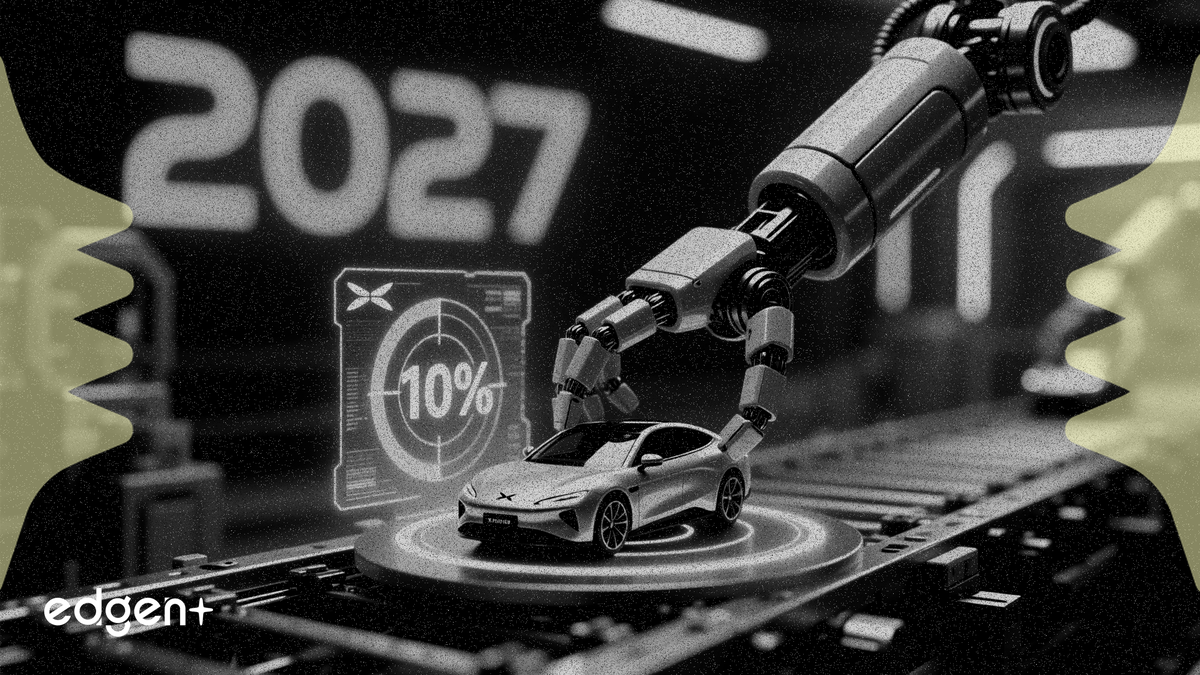
Chinese electric vehicle maker Xpeng Inc. is making a significant push beyond automobiles, planning for humanoid robots to handle 10% of its car sales work by 2027. The company intends to begin mass production of its robots by the end of 2026, a move that reframes its competition with EV rivals and aligns it more with technology giants.
"In the future, humans will focus more on advanced and creative work, while tedious, repetitive, simple, dangerous, and undesirable tasks will be completed by robots," He Xiaopeng, Chairman and CEO of XPeng, said at the Beijing Auto Show.
The plan involves deploying robots in retail stores to introduce product highlights to customers before handing off to human staff for test drives and contract signings. The company's robotics unit aims to sell far more than the 10,000 total humanoid robots sold in China last year. This initiative is part of a broader strategy that includes flying cars and autonomous driving, signaling a clear intent to be valued as a diversified technology firm, not just a car manufacturer.
Xpeng's ambitions are not confined to the ground. The company's aviation arm, AeroHT, has a "Land Aircraft Carrier" modular vehicle in development, which consists of a large van that transports a detachable two-seat electric aircraft. Xpeng expects to begin large-scale production and delivery of these flying cars in 2027, having already received more than 7,000 pre-orders, primarily within China. The company is currently working with the country's aviation authorities to secure the necessary certifications for flight. This aggressive timeline underscores the company's focus on pioneering new mobility sectors.
This diversification is underpinned by a strategy of global expansion and collaboration. Xpeng already operates in approximately 60 countries, and President Brian Gu stated that the company aims for more than 50% of its revenue to come from outside China within the next five to 10 years. The recent partnership with German automaker Volkswagen, which is using Xpeng's platform for its own EV models, validates the quality of Xpeng's technology. This move, along with plans to test robotaxis in Guangzhou, suggests Xpeng is positioning itself as a core technology provider in the future of mobility, potentially creating new revenue streams far beyond selling cars to consumers. This could lead investors to re-evaluate the company against peers like Tesla, which also has significant robotics and AI ventures.
This article is for informational purposes only and does not constitute investment advice.