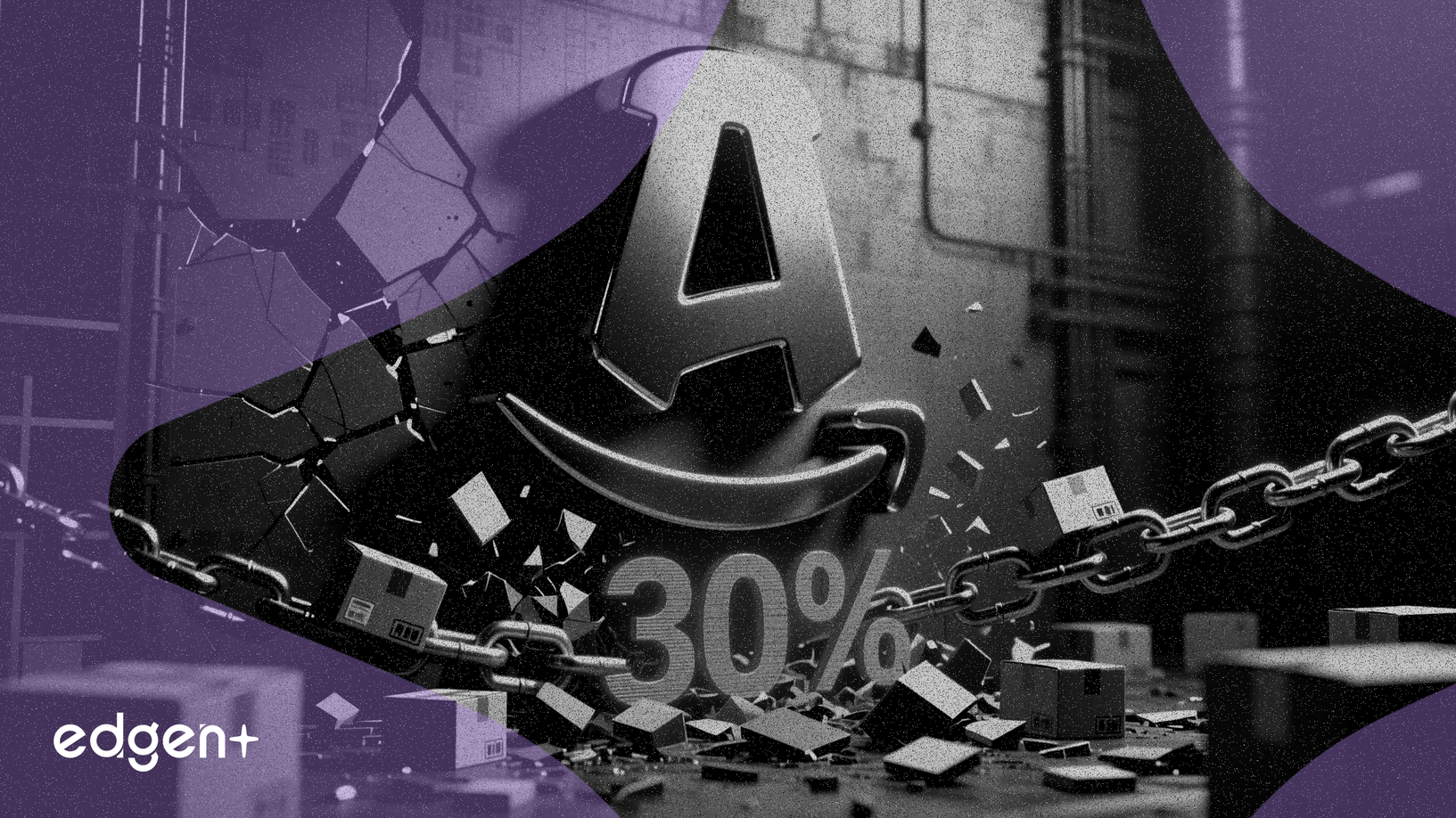
Amazon Demands Price Cuts Up to 30% Ahead of Tariff Ruling
Amazon is aggressively negotiating with its suppliers for significant price reductions, with requested cuts ranging from single digits to as high as 30%. According to advisors representing suppliers, the e-commerce giant has accelerated its annual negotiation cycle by several weeks, attempting to finalize deals before a U.S. Supreme Court ruling on the legality of Trump-era tariffs. In some instances, Amazon reportedly imposed a January 1st deadline to intensify pressure on its partners.
While Amazon stated its annual supplier negotiation cycle has not changed, sources indicate the accelerated pace is a strategic move to lock in lower costs before the court's decision, which was expected the same week as the report on January 14. This maneuver aims to claw back price increases the company previously granted to suppliers to offset the impact of the tariffs.
Amazon Aims to Reverse Tariff Concessions and Shift Risk
This negotiating push represents a reversal of Amazon's earlier stance. The company had previously agreed to pay higher prices for goods affected by tariffs in exchange for guaranteed minimum profit margins. With some of those tariffs now rolled back, Amazon is moving to reclaim what it perceives as lost profits.
Amazon is taking aggressive measures, trying to get back all the lost margin.
— Kara Babb, former Amazon vendor manager and current consultant.
Furthermore, Amazon is attempting to shift future risk by requiring suppliers to formally agree to bear the full responsibility for any subsequent tariffs on their goods. As an incentive, the company has indicated it may accept smaller price cuts from suppliers who agree to this condition and commit to increased marketing spending on the platform.
Suppliers Face Margin Squeeze from Rising Costs
Suppliers and their representatives argue that Amazon's demands threaten the profitability of their product lines. They contend the negotiations fail to account for their own escalating costs, which include supply chain disruptions, and rising prices for raw materials and labor. Amazon's position is that the worst-case tariff scenarios that brands feared did not materialize, justifying the new terms.
This conflict highlights the power dynamics in Amazon's massive retail operation, where third-party sellers account for over 60% of total platform sales. In response to the criticism, Amazon stated it works closely with suppliers to understand all cost pressures, including tariffs, supply chain issues, and labor, and incorporates these factors into negotiations. Notably, Amazon has not joined over 1,000 other retailers, including Costco, in a lawsuit to recover tariffs that have already been paid.
 Edgen Stock·Jan 14 2026, 03:06