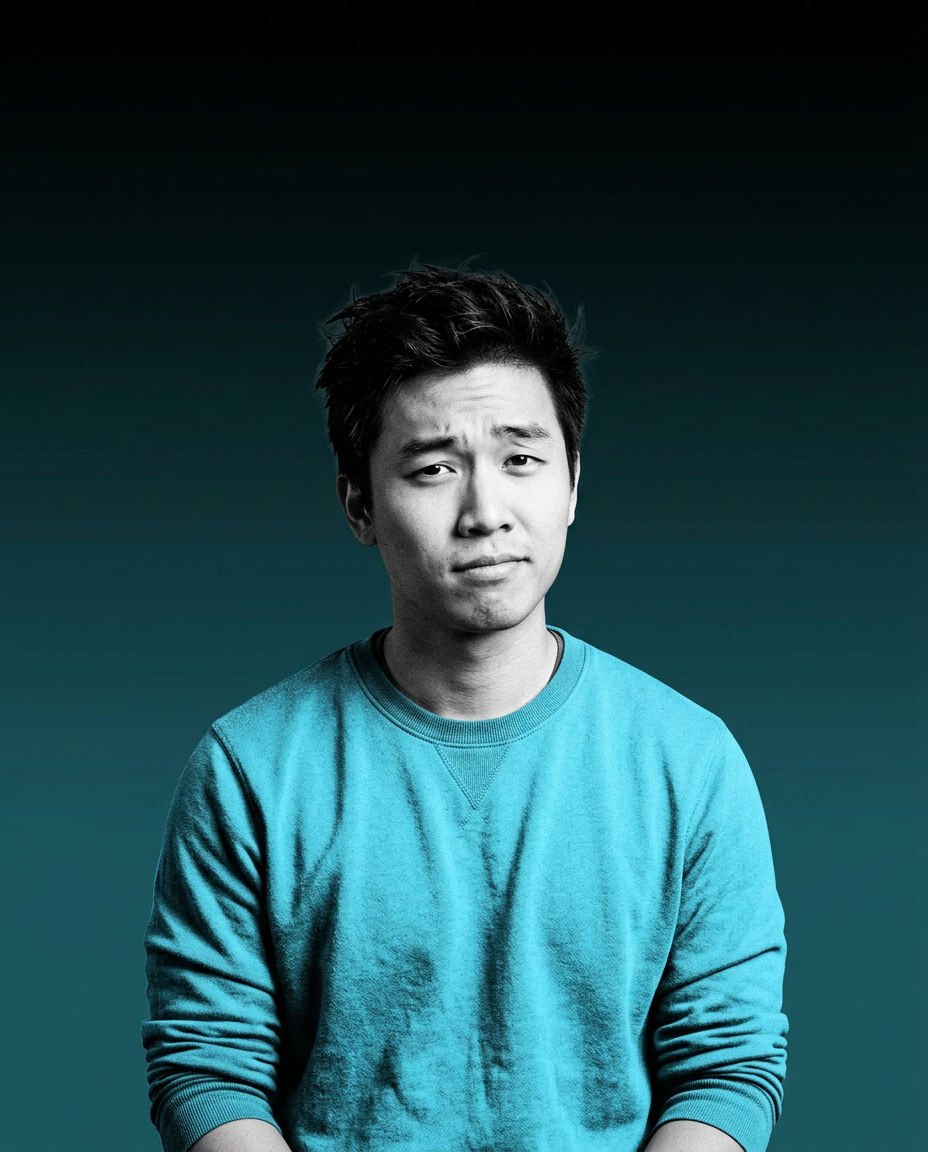

Reversing a 400-employee talent exodus to OpenAI is the first test for Apple's new chief executive.
Reversing a 400-employee talent exodus to OpenAI is the first test for Apple's new chief executive.
Reversing a 400-employee talent exodus to OpenAI is the first test for Apple's new chief executive.
John Ternus took over as Apple's chief executive Tuesday facing a talent exodus of 400 employees to OpenAI, with veteran investor Gene Munster calling retention the new CEO's top priority.
"Your first priority: reverse the brain drain," Gene Munster, managing partner at Deepwater Asset Management, said on X. "The biggest long-term risk for Apple is losing control of the interface between consumers and AI."
OpenAI has publicly claimed it hired 400 Apple employees in recent years, responding to Apple's trade secrets lawsuit by stating that "Apple cannot stop the next 400 employees from leaving by filing baseless lawsuits." The talent war extends beyond Apple — Munster noted that AI startups are increasingly competing with Microsoft and Nvidia for top engineering talent. Ternus, who joined Apple in 2001 and previously led hardware engineering, inherits a leadership team in flux: Phil Schiller has stepped back from App Store and product event oversight, Johny Srouji now serves as chief hardware officer, and several other executive changes are underway across legal, payments, operations, and finance. Elon Musk and AMD's Lisa Su were among the tech leaders who congratulated Ternus on his first day.
The stakes are significant. Apple's App Store generates more than $30 billion annually, and the company's ability to maintain its hardware portfolio — iPhone, Mac, Watch, AirPods, and Apple TV — depends on retaining the engineering talent that designs and manufactures these products. Munster argued that while OpenAI may design one or two consumer devices, "the difficult part is designing, manufacturing, and distributing a family of devices and services at a price point that consumers can afford." Ternus's first public test comes September 9 at Apple's "Surprise and Shine" iPhone event, his first as CEO.
The executive reshuffle extends beyond the CEO seat. Phil Schiller, a 66-year-old Apple veteran, has relinquished oversight of the App Store and product launch events, remaining at the company under his Apple Fellow title. App Store oversight shifts to Eddy Cue's services division, with Carson Oliver managing day-to-day operations including app distribution, third-party marketplaces, and Apple Arcade. Nola Weinstein, previously Schiller's deputy, now handles global product launches and events, reporting to Kristin Huguet Quayle, vice president of communications. Ternus's former hardware engineering role goes to Johny Srouji as chief hardware officer, while Laura Legros, a former engineering VP and Ternus lieutenant, returns to Apple. These changes come alongside upcoming departures in legal and payments, plus recent leadership shifts across operations, finance, and government affairs.
Munster, a longtime Apple stock bull, said the economics favor Apple in the near term. "AI is moving much faster than the smartphone era did," he said. "It's easy for OpenAI to design one or two consumer devices. The difficult part is designing, manufacturing, and distributing a family of devices and services (iPhone, Mac, Watch, AirPods, Apple TV) at a price point that consumers can afford."
Still, the talent drain poses a structural risk. Apple's competitive moat has historically rested on its ability to integrate hardware, software, and services — a capability that depends on retaining senior engineers and designers. OpenAI's aggressive recruiting, combined with the broader AI talent war across Silicon Valley, threatens to erode that advantage over time.
Apple shares trade as one of the Magnificent Seven, with investors watching whether Ternus can stabilize the leadership team and maintain the company's innovation pipeline. The September 9 event, expected to feature a foldable iPhone and updated Apple Watch lineup, will be the first signal of whether the new CEO can deliver on product expectations. Munster said Apple should focus on recruiting and retaining top talent, as OpenAI is unlikely to build better technology too quickly given the economics favor Apple for now.
This article is for informational purposes only and does not constitute investment advice.
