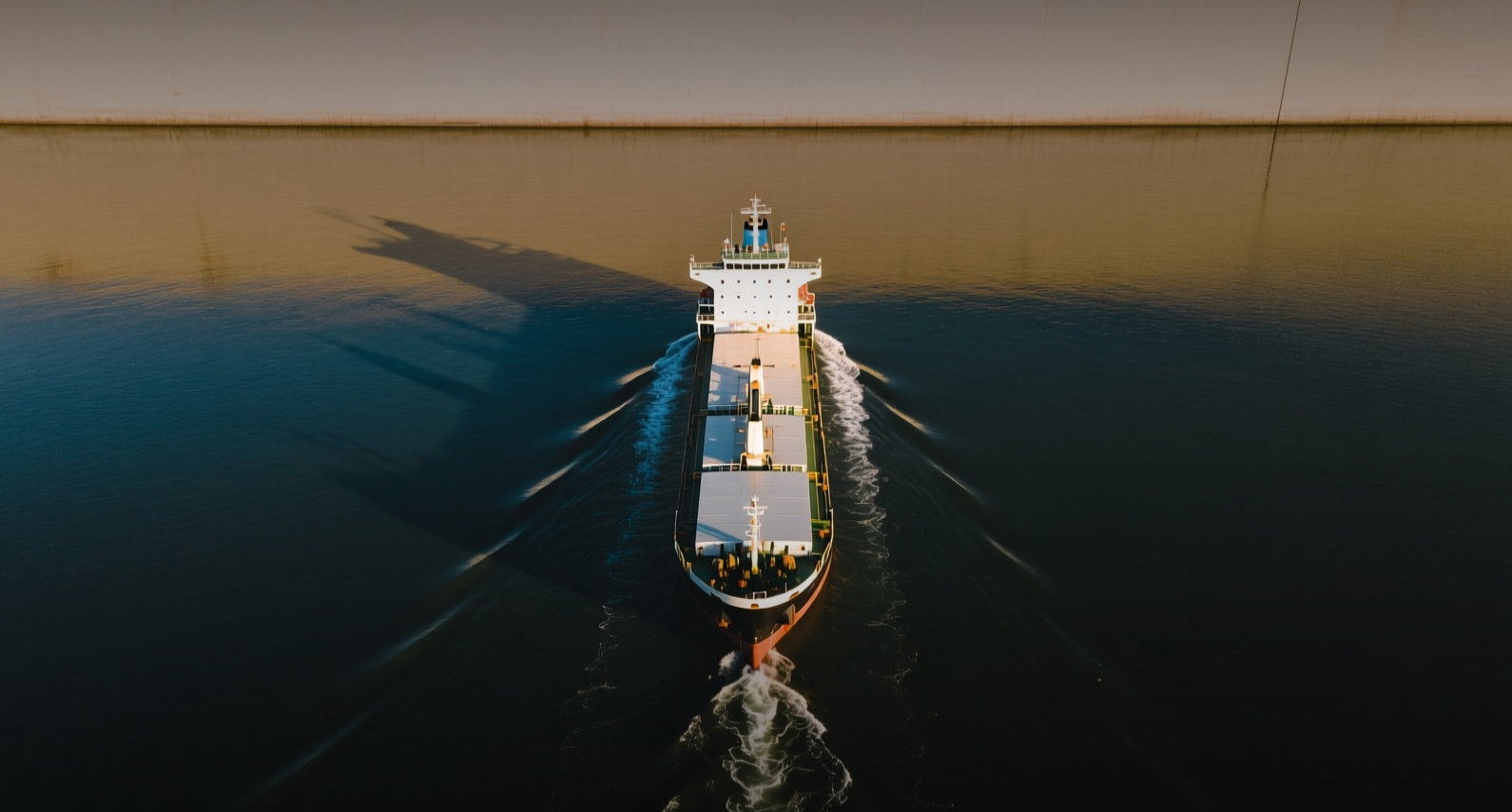
Saudi Aramco has restarted crude loadings from inside the Strait of Hormuz for the first time in nearly four months, a tentative step toward normalizing flows through the world's most important energy artery even as the broader market prices in a prolonged crisis.
Saudi Aramco resumed oil loading from inside the Strait of Hormuz last week and has more tankers queued to load, as the state energy giant offers spot heavy crude cargoes to buyers, according to shipping data and trade sources. Two Very Large Crude Carriers, each able to carry about 2 million barrels, were seen loading at the Ras Tanura terminal while a third waited nearby, LSEG data showed.
"The resumption at Ras Tanura is the clearest signal yet that Gulf producers are testing the waterway's reopening, but single-digit daily transits show the market is far from normal," said Tamas Varga, an analyst at oil brokerage PVM.
The loadings mark the first at Ras Tanura since the U.S.-Israeli conflict with Iran began in February, which choked off the strait through which roughly a fifth of global oil and liquefied natural gas flowed before the war. Crude shipments through Hormuz rose this week to their highest since the conflict began, buoyed by a ceasefire deal that reopened the waterway, though overall traffic remains a fraction of the pre-war daily average of more than 20 vessels.
Hormuz Crossings Stay in Single Digits
The tentative recovery has not translated into a sustained reopening. Hormuz crossings rose slightly from the weekend but remained in single digits, shipping data showed, as the U.S.-Iran ceasefire expired and peace talks stalled. Iran has rejected an Omani proposal for regional joint management of the strait, while the U.S. has reimposed a naval blockade on Iranian ports.
Aramco has separately offered crude outside Hormuz to some Asian refiners, trade sources said, a hedge against renewed disruption. The company's spot heavy crude cargoes are being marketed as buyers weigh the risk premium embedded in Gulf barrels.
China Demand Still Muted
The supply-side normalization is colliding with weak demand. China's July crude oil throughput fell 15.8 percent from a year earlier, though it edged up from June — the first month-on-month rise since the Iran war began, National Bureau of Statistics data showed. Beijing has eased export curbs, with fuel exports edging back toward pre-war levels.
Brent crude traded near $83 a barrel on Friday, up about 1 percent, while West Texas Intermediate rose to about $78, as fading peace hopes offset the Aramco loadings. The last time Hormuz traffic recovered to double digits in June, Brent fell roughly 10 percent within two weeks before renewed attacks pushed it back above $90.
The path forward hinges on whether transit volumes climb next week. If crossings fail to strengthen, skepticism over the waterway's reliability will grow and prices are likely to rise again; if loadings accelerate, the market could price out the war premium that has kept Brent elevated since February.
This article is for informational purposes only and does not constitute investment advice.