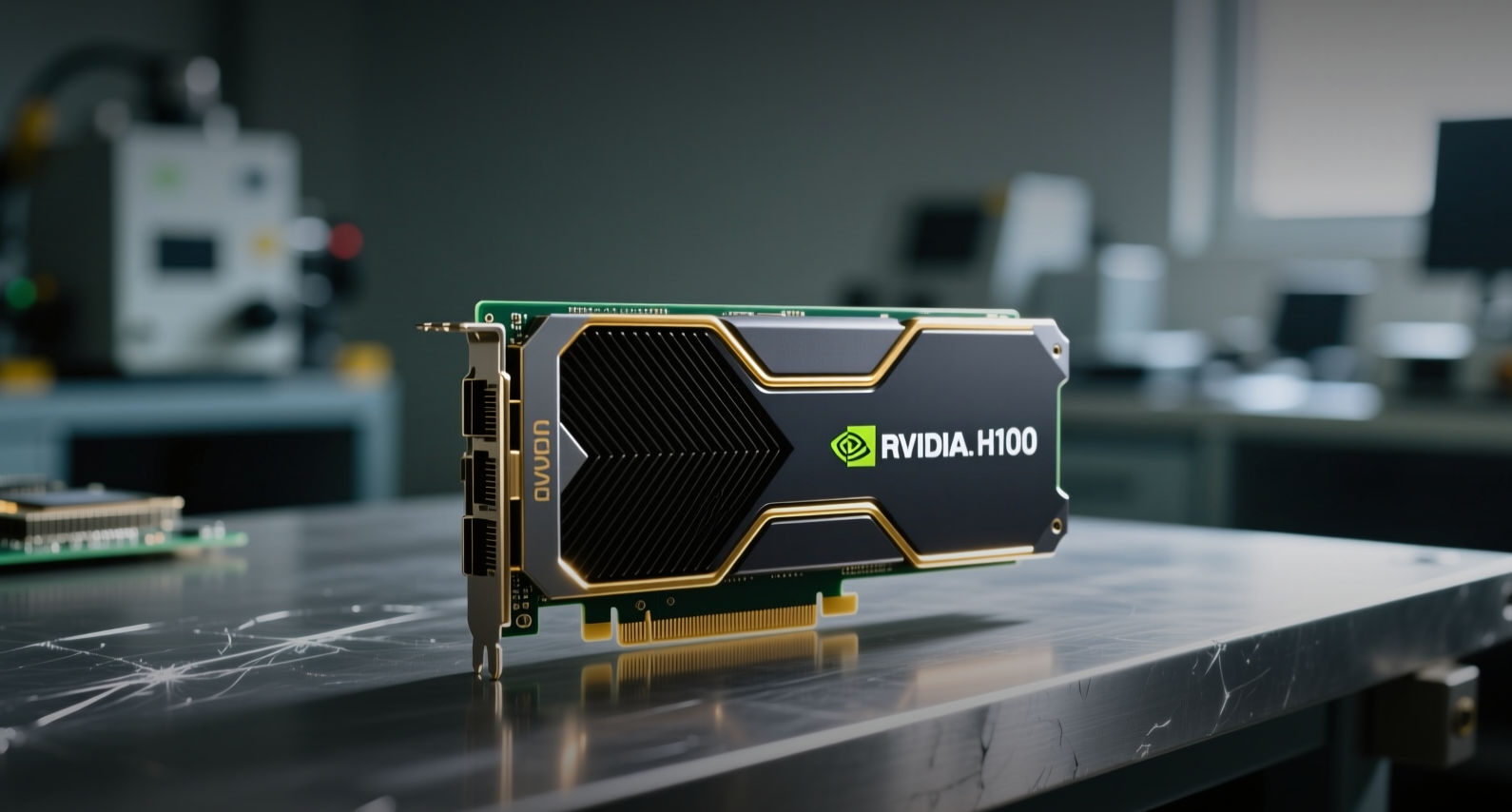
Bitget opened H100 and B200 GPU rental perpetuals Sept. 8, letting retail traders speculate on AI compute costs with up to 10x leverage.
"AI has created enormous demand for chips, data centers and energy, and computing capacity, making compute an increasingly important part of the digital economy," Gracy Chen, CEO of Bitget, said. "Bringing GPU rental-price perpetuals to Bitget reflects the UEX vision of giving users access to both established assets and emerging markets within a single trading environment."
The H100USDT and B200USDT contracts track hourly rental costs of NVIDIA H100 and B200 GPUs, quoted against indices published by Silicon Data in USD per GPU-hour and settled in USDT. The indices standardize GPU specifications, rental duration, geography and rental terms across multiple GPU cloud and compute providers, creating a reference point for pricing that has historically been fragmented across cloud providers and private agreements. Contracts trade 24/7 with leverage up to 10x. CME Group is scheduled to launch its own H100 and B200 GPU rental-price futures in October.
The launch extends Bitget's Universal Exchange model, which serves 125 million users across 2 million crypto tokens and more than 500 tokenized stocks, ETFs, commodities and precious metals. As AI data center investment accelerates, GPU rental costs are emerging as an economic signal shaped by chip availability, cloud capacity and demand from AI companies — and Bitget is betting retail traders want direct exposure to that signal.
The product sits at the intersection of two accelerating trends: the AI infrastructure buildout and the tokenization of real-world assets. NVIDIA's H100 and B200 GPUs have become critical infrastructure for training and running AI models, with rental prices reflecting supply constraints and rising demand from hyperscalers and AI startups. By tokenizing these rental costs as perpetual contracts, Bitget is creating a market where traders can speculate on compute prices without purchasing hardware or entering cloud agreements.
The move also highlights competitive pressure in the derivatives space. CME Group's planned October launch of GPU rental futures targets institutional clients, while Bitget's crypto-native perpetuals aim at retail traders seeking 24/7 access with leverage. The two products could coexist as compute pricing develops a more transparent market structure, but they also compete for the same underlying price discovery.
For Bitget, the launch is part of a broader strategy to differentiate its Universal Exchange platform. The exchange has been expanding beyond crypto into tokenized stocks, ETFs and commodities, and GPU compute represents a new asset class that bridges the digital asset economy with physical AI infrastructure. Whether retail traders will embrace compute derivatives remains to be seen, but the product gives them a way to express views on one of the most consequential cost curves in technology.
This article is for informational purposes only and does not constitute investment advice.