


Microsoft's Maia 300 AI chip, slated for a September unveiling, directly challenges Nvidia's data center dominance.
Microsoft's Maia 300 AI chip, slated for a September unveiling, directly challenges Nvidia's data center dominance.
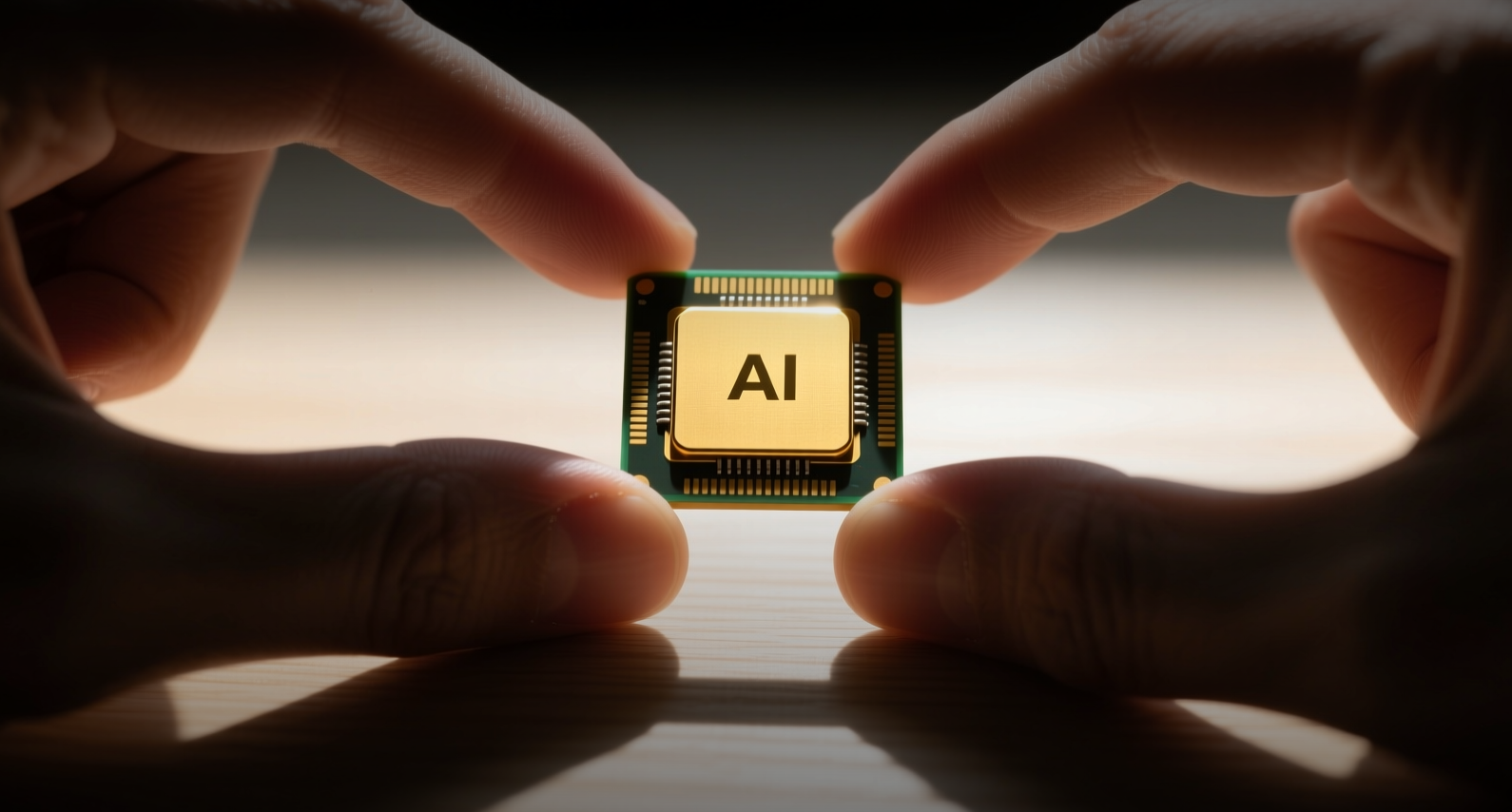
Microsoft plans to publicly unveil its Maia 300 AI chip as soon as September, intensifying its challenge to Nvidia's dominance in AI processors as it seeks to reduce reliance on the market leader's costly GPUs.
The Information reported the plans Monday, citing people with direct knowledge of the matter. Microsoft introduced its first Maia chip in November 2023 but has lagged peers in scaling production, with adoption of the current Maia 200 generation proceeding slowly.
Microsoft has been in talks with TSMC to secure manufacturing capacity for more than 300,000 Maia chips, with delivery expected in 2027, according to the report. The company is also looking to significantly ramp up production next year and persuade major cloud customers such as Anthropic to adopt its in-house silicon.
A successful Maia 300 launch with broad cloud adoption could strengthen Microsoft's Azure gross margins by reducing GPU procurement costs from Nvidia, which dominates the AI accelerator market. It also reinforces TSMC's position as the critical foundry for custom AI silicon, while pressuring Nvidia's pricing power in the data center segment.
The AI accelerator market has become the most contested battleground in the semiconductor industry. Amazon's Trainium, Google's TPU, and Meta's MTIA chips all target the same goal: reducing dependence on Nvidia's high-margin GPUs. Microsoft's Maia line is the latest entrant in this race, and the company's ability to scale production will determine whether it can meaningfully shift procurement patterns across the cloud industry.
Microsoft's current Maia 200 has seen slow adoption since its introduction in November 2023, reflecting the difficulty of displacing Nvidia's CUDA software platform, which has become the standard for AI development. Amazon and Google have deployed their own in-house accelerators — Trainium and TPU respectively — across their cloud platforms, but Microsoft has lagged those peers in scaling custom silicon. The company has not disclosed technical specifications for the Maia 300, including process node or performance metrics.
The slow ramp of the Maia 200 reflects a broader industry reality: custom AI silicon takes years to mature, and even hyperscalers with deep engineering resources struggle to match the software maturity of Nvidia's stack. Microsoft's Azure infrastructure relies heavily on Nvidia GPUs for its AI services, including the OpenAI partnership that has made Azure a primary destination for enterprise AI workloads.
Microsoft's negotiations with TSMC for more than 300,000 units represent a significant commitment to vertical integration in AI infrastructure. The 2027 delivery timeline suggests a multi-year production ramp, with the company aiming to significantly increase output next year. TSMC's advanced packaging technology is critical for AI accelerators, and securing capacity there is a strategic priority for all major chip designers, including Nvidia and AMD.
The scale of Microsoft's order indicates a serious push to make its custom silicon a meaningful part of Azure's AI compute capacity. If Microsoft can convince Anthropic, one of the most prominent AI labs and a major Azure customer, to run workloads on Maia chips, it would confirm the platform's production readiness.
For investors, the Maia 300 represents a direct challenge to Nvidia's data center dominance. Microsoft's Azure cloud business, which competes with Amazon Web Services and Google Cloud, could see meaningful margin improvement if it reduces dependence on Nvidia's high-priced GPUs. Nvidia shares have been the primary beneficiary of the AI infrastructure buildout, and any shift in procurement patterns at Microsoft — one of its largest customers — could pressure the company's pricing power in the data center segment. Microsoft did not respond to a Reuters request for comment, and TSMC could not be reached outside regular business hours.
This article is for informational purposes only and does not constitute investment advice.
