
AI data center buildout is pushing US power grid equipment lead times past three years, creating a bottleneck that threatens about $720 billion in planned infrastructure spending.
AI data center buildout is pushing US power grid equipment lead times past three years, creating a bottleneck that threatens about $720 billion in planned infrastructure spending.
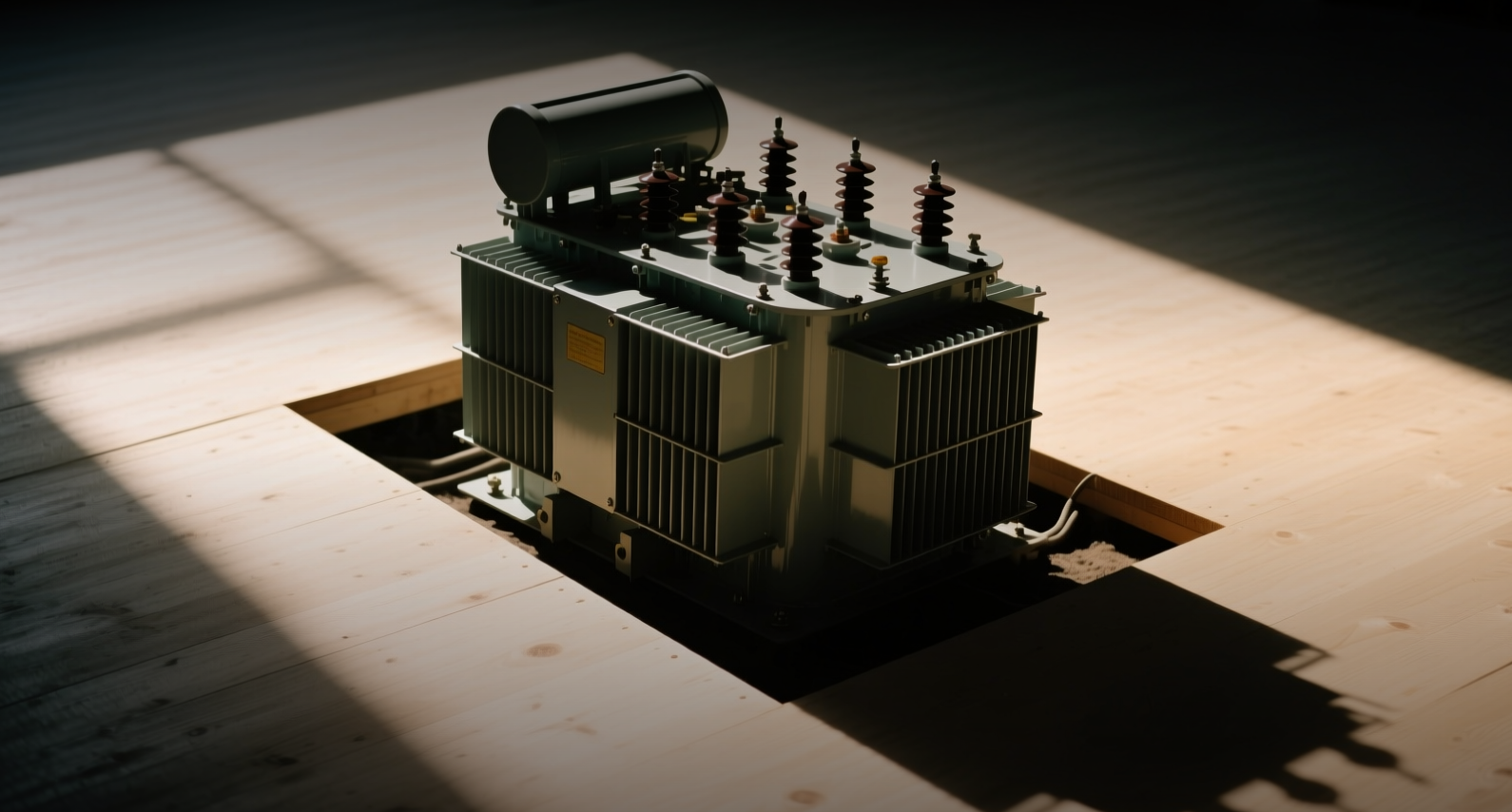
Lead times for large power transformers in the US have surpassed 160 weeks as surging AI data center demand strains electrical equipment supplies.
"Equipment availability is becoming the biggest concern for developers as they value time to market so highly," Ben Boucher, senior analyst at Wood Mackenzie, said.
Generator step-up transformer lead times exceeded 160 weeks by the first quarter of 2026, up from an average of 143 weeks in 2024, according to Boucher. For high-voltage circuit breakers, lead times climbed to 125 weeks in the second half of last year, compared with 77 weeks in 2023. Transformer costs could rise 4% to 10% over the next year depending on the type, he added.
The shortages are complicating the power industry's race to bring new supplies online as US data center capacity is projected to hit 110 GW by 2030 from about 24 GW currently, according to Wood Mackenzie. Goldman Sachs Research estimates the grid itself may require about $720 billion in spending through 2030 to meet rising data center demand.
Data Centers Reshape the Equipment Market
Data centers' share of the electrical equipment market could swell to 40% under accelerated scenarios, from just shy of 2% in 2020, Wood Mackenzie data shows. The five largest technology companies spent more than $400 billion on capital expenditure in 2025, most of it toward AI, according to the International Energy Agency.
US data center power demand will more than double to 66 GW by 2027 from 31 GW today, Goldman Sachs Research projects. PJM Interconnection, the grid operator covering a large stretch of the northeastern US, projects that data centers will account for 30 of the next 32 GW of load growth by 2030. The IEA estimates that global data center electricity consumption is on track to about double by 2030, reaching levels equivalent to Japan's entire annual power demand today.
The demand surge is lifting prices across the equipment supply chain. Transformer costs could increase by 4% to 10% over the next year depending on the type, Boucher said. Equipment manufacturers are running full order books years out, with delivery lead times for critical grid components having doubled over the past three years.
The Connection Bottleneck
The constraint is no longer just chips or capital — it is deliverable power, Leo Fan, founder of Cysic, said. The IEA estimates that about 20% of planned data center projects globally are already at risk of delays caused by grid constraints. Building new transmission lines typically takes four to eight years in advanced economies.
The CoreWeave-Core Scientific deal illustrates the premium on grid access. The $9 billion price tag was structured primarily to secure 1.3 GW of grid-connected power capacity that would have taken years to permit from scratch. Samuel Videau, chief technology officer at Genius, said connected megawatts "trade at a premium to everything else in the sector."
While long-term supply agreements can help ease the strain, "they don't solve everything, particularly for smaller utilities that don't have the scale," Louis Finkel, senior vice president of government relations at the National Rural Electric Cooperative Association, said. Smaller utilities face the most acute risk as they compete with hyperscalers for limited equipment supplies.
The equipment bottleneck shows that AI's next phase will be defined as much by infrastructure as by technology. Investors will watch equipment manufacturers' order backlogs and utilities' capital spending plans in the coming quarters for signs of easing or further tightening.
This article is for informational purposes only and does not constitute investment advice.
