
Washington's expanded sanctions on Iran target five economic sectors and threaten to cut off the regime's remaining oil revenue, which has already fallen 80 percent since the war began.
Washington's expanded sanctions on Iran target five economic sectors and threaten to cut off the regime's remaining oil revenue, which has already fallen 80 percent since the war began.
Washington's expanded sanctions on Iran target five economic sectors and threaten to cut off the regime's remaining oil revenue, which has already fallen 80 percent since the war began.
US Treasury Secretary Scott Bessent unveiled expanded sanctions targeting five Iranian economic sectors Monday, vowing "economic asphyxiation" as Tehran's oil exports have already fallen 80 percent since the war began.
"Around the globe, our objective is to sever every economic lifeline that sustains this tyrannical regime until Tehran stands alone," Bessent told journalists at a press conference. He warned that countries declining to join the campaign would "share in the isolation" of Iran.
The Treasury issued determinations against five critical sectors — digital assets, technology, gold, aviation and shipping — and sanctioned 60 individuals, companies and vessels across the UAE, Hong Kong, China, Singapore and Europe that allegedly aid Iran in oil revenue generation, weapons procurement and cyber operations. Bessent vowed that any entity facilitating money laundering for Iran would be "removed from the US dollar system," and when asked whether Chinese banks would be targeted, he said "no one is above the reach of US sanctions."
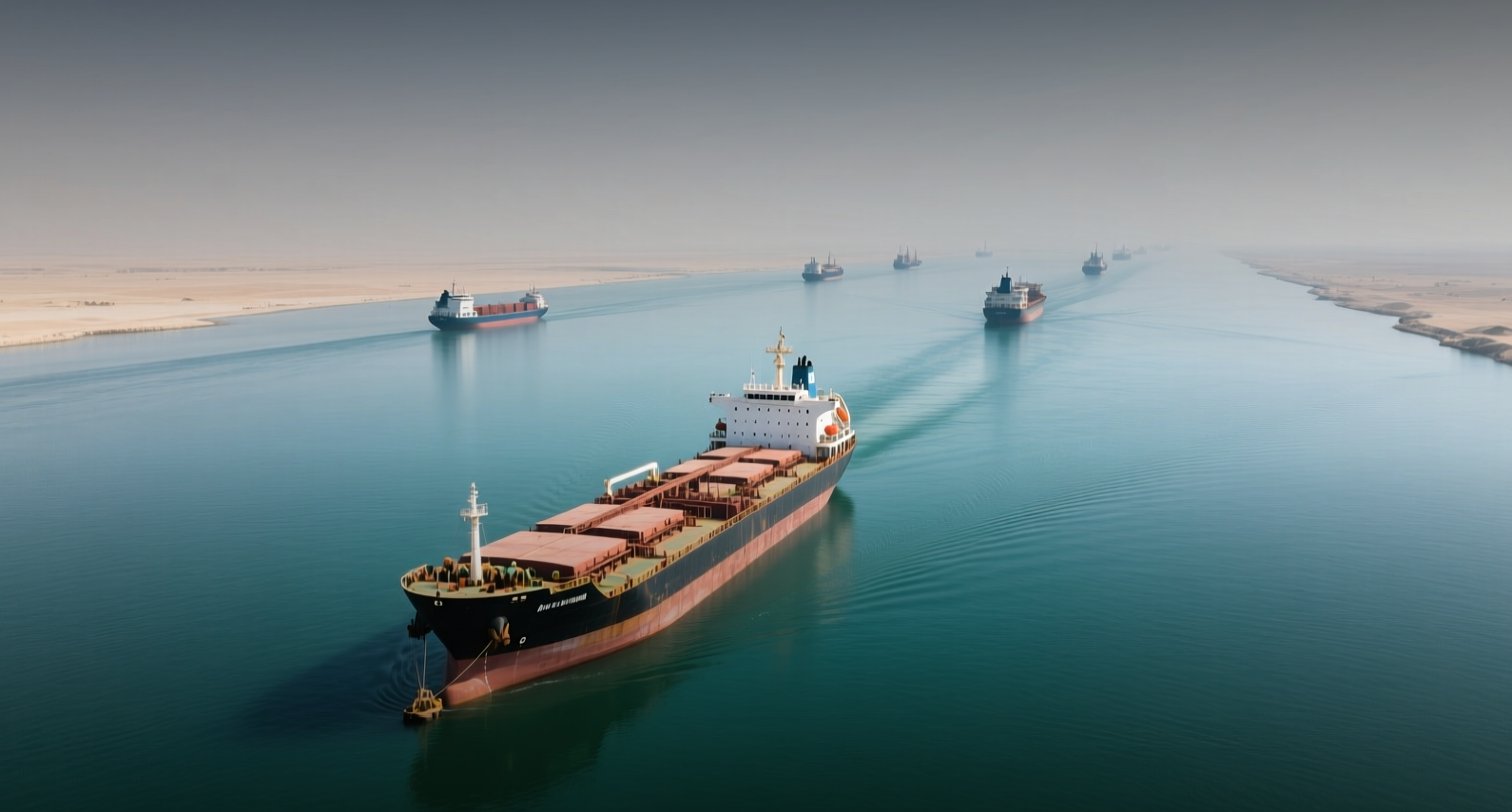
The escalation comes as Iran's oil exports through the Strait of Hormuz have collapsed from 2 million barrels a day pre-war to 0.4 million by mid-August, according to maritime tracker Kpler. With Tehran blocking most traffic through the strait that handles roughly 21 percent of global oil trade, the sanctions push threatens to further tighten crude supply and force Gulf states and China to take a definitive stance.
Iran has weathered decades of crushing international sanctions, and before the war it continued to export millions of barrels of oil, mostly to China, while evading sanctions through complex international financial networks. The new measures suspend sanctions exemptions for payments to and from Iran related to the US educational system, and Bessent described the campaign as an "economic D-Day" in a Financial Times opinion piece published before the announcement.
For ordinary Iranians, the standoff is likely to bring more economic pain after years of rampant inflation, which in December and January fueled massive anti-government protests. "I don't think people can really take this much longer," said Sarah Hassanbeigi, a 32-year-old pharmacist in Tehran.
Iran dismissed the threats. Economy Minister Ali Madanizadeh predicted "another defeat" for Washington, saying the government "is and was ready and has a two-year plan to manage these events." Deputy Foreign Minister Kazem Gharibabadi called the latest US threats an admission of military defeat, asking why Washington would need "the largest financial invasion in history" if it had already achieved its goals.
The sanctions announcement comes as Pakistan's army chief Asim Munir — a key mediator in the conflict — visited Tehran on Monday, meeting separately with President Masoud Pezeshkian, the chief negotiator and the head of Iran's highest national security body. The meetings followed a phone call between Trump and Munir last week, according to a US source. Islamabad was a leading mediator in talks that helped secure an April ceasefire that later fell apart, and it is also a major trading partner of Iran, potentially exposing it to the new sanctions.
Oman's foreign minister was due in Tehran on Tuesday as Muscat and Tehran seek a deal on regulating passage through Hormuz. Pezeshkian, considered a relative moderate, said last week that Tehran should "bring the war to an end now as we are in a position of power," following Supreme Leader Mojtaba Khamenei's appointment of hardliners to key security positions.
The last time Washington imposed a similarly broad sanctions regime on Iran — the 2018 "maximum pressure" campaign — Iranian crude exports fell from roughly 2.5 million barrels a day to under 0.5 million within 18 months, while Brent crude rose about 20 percent over the same period. The current escalation, layered on top of an active naval blockade, could push oil prices higher if Gulf states comply with US demands to halt Iranian transactions.
This article is for informational purposes only and does not constitute investment advice.
