
Both Washington and Ottawa are preparing for a trade dispute that could stretch past the US midterm elections, with no formal talks scheduled.
Both Washington and Ottawa are preparing for a trade dispute that could stretch past the US midterm elections, with no formal talks scheduled.
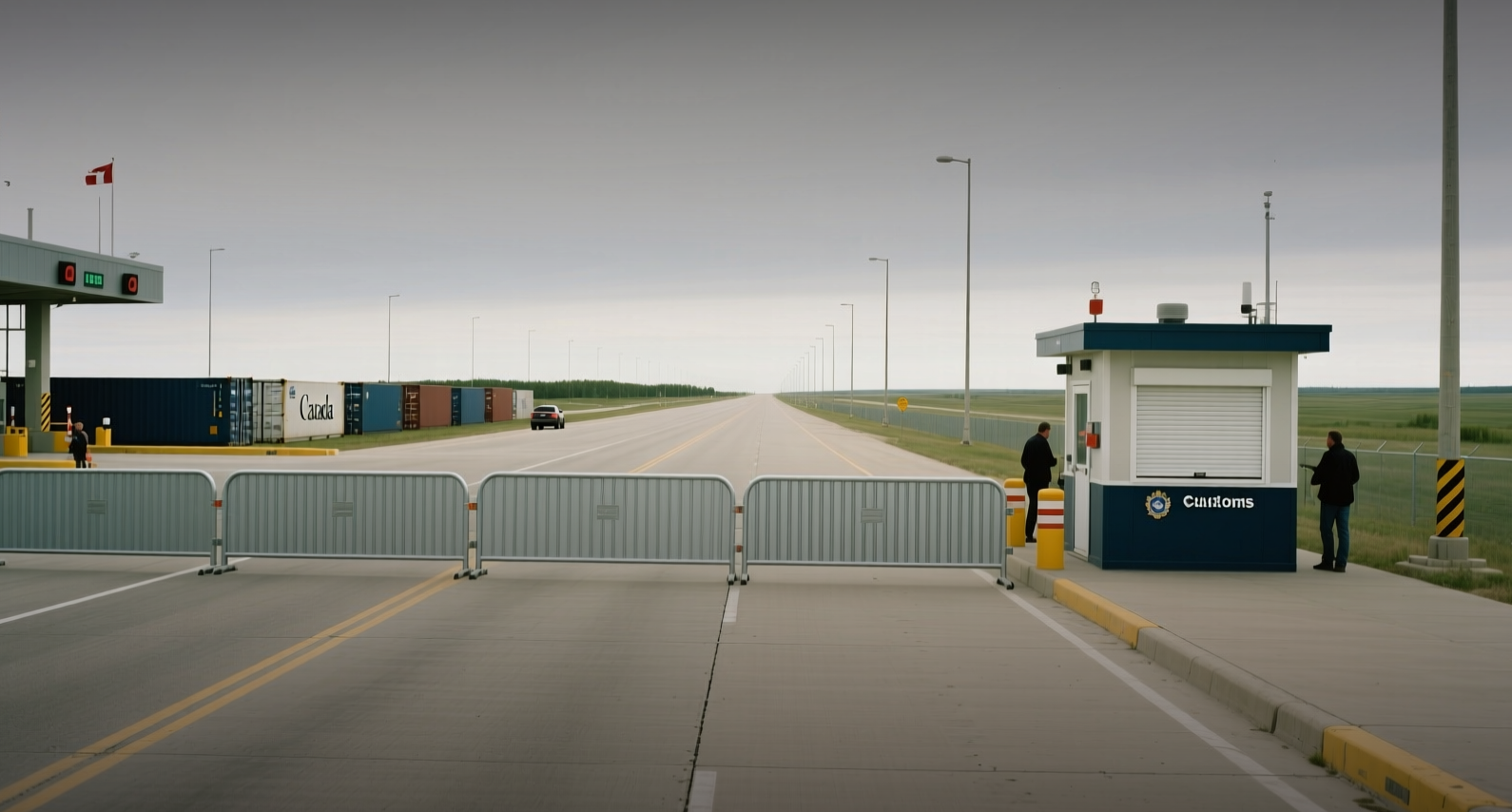
The US and Canada are bracing for a prolonged trade war after talks collapsed, with Washington's 50 percent tariffs on $20 billion of Canadian goods met by Ottawa's dollar-for-dollar retaliation effective Sept. 8.
"The best thing to do is let some water run under the bridge and give everyone time and space to cool down," said Kelly Ann Shaw, deputy director of the National Economic Council in Trump's first term. "I don't see any possibility of an off-ramp between now and September."
Canada announced retaliatory tariffs on C$27.6 billion ($19.94 billion) of US imports, imposing duties of 15 percent, 25 percent and 50 percent across 700 products. The 50 percent tariffs target steel, aluminum, furniture and clothing; 25 percent duties hit cheese, appliances and some seafood; 15 percent tariffs apply to electronics and tools. Ottawa also unveiled a C$7.5 billion support package for affected workers and businesses.
Trump has threatened to double tariffs on Canadian vehicles to 50 percent and impose levies on auto parts effective Jan. 1, 2027 — a move that could imperil the North American automotive industry, where components cross the border multiple times before final assembly. US Trade Representative Jamieson Greer said there are currently no open channels of communication between the two governments.
"Our dollar-for-dollar, rate-for-rate counter-tariffs as well as a multi-billion dollar support package will protect workers, farmers, families, and businesses," Canada's Finance Minister François-Philippe Champagne said.
Carney told reporters Monday that Canada would return to the negotiating table only when US officials show up with "the right attitude" and demonstrate respect for the country's sovereignty. He said last week that the US made "unfair" last-minute demands and that the US signature is sometimes "written in pencil."
The current US tariffs affect about 5 percent of Canadian exports to the US, while Canada's planned retaliation would hit roughly 6 percent of US exports to Canada. Economists estimate the new levies will have a modest impact on Canada's export-driven economy and are unlikely to push it into a recession, though persistent uncertainty could weigh on business confidence and hiring decisions.
Political incentives push both sides to hold the line
Canada's retaliatory tariffs were aimed in part at border states with competitive midterm elections such as Maine and Michigan, making a further widening of the trade war potentially costly for Trump's Republican Party. Carney's Liberal Party is competing in three special elections for parliamentary seats on Aug. 31, giving him political incentive to stand firm.
A poll this week from the Angus Reid Institute found that 76 percent of Canadians agreed with Carney's decision to walk away from the negotiating table, even as 89 percent said they worried the new tariffs would raise the costs of goods and services and two-in-five said they feared for their job security.
Auto sector faces the biggest risk
The next phase of Trump's tariffs — doubling vehicle duties to 50 percent and adding auto parts levies — won't take effect until Jan. 1, 2027, giving both sides time to return to negotiations. But the threat alone has unsettled an industry where parts cross the border several times before assembly.
"It's possible we'll see the storm before the calm over the next few days as both sides vent publicly after intense negotiations," said Jake Colvin, president of the National Foreign Trade Council. "But everyone loses if this relationship spirals. Hundreds of thousands of jobs are potentially at stake on both sides of the border."
Canada is preparing for an extended dispute. The government this week announced more than $5 billion in new support for workers and businesses hit by the tariffs, on top of nearly $20 billion previously rolled out. Manitoba Premier Wab Kinew said Carney warned provincial leaders to brace for years of economic turbulence and to ensure their financial-aid programs serve as "a bridge past the Trump administration."
Steve Verheul, who served as Canada's chief trade negotiator during the NAFTA renegotiation that produced the US-Mexico-Canada Agreement, said "there's clearly been some damage to the bilateral relationship" and that it "probably should take some time before we get onto a better track."
"I think that we're really at a point where it's not going to be particularly easy to get back to the negotiating table given the situation where we left that table," Verheul said Wednesday at an event hosted by the Bank of Montreal.
The last time the two countries faced a comparable rupture was during the 2018 USMCA renegotiation, when Trump imposed steel and aluminum tariffs on Canada before a deal was reached. That dispute was resolved within months; this one shows no clear off-ramp, with both governments digging in and the next escalation already scheduled for January.
This article is for informational purposes only and does not constitute investment advice.
