
China's central bank extended housing loan terms to 40 years from 30, capping loan amounts at property appraised value in a sweeping credit reform.
China's central bank extended housing loan terms to 40 years from 30, capping loan amounts at property appraised value in a sweeping credit reform.
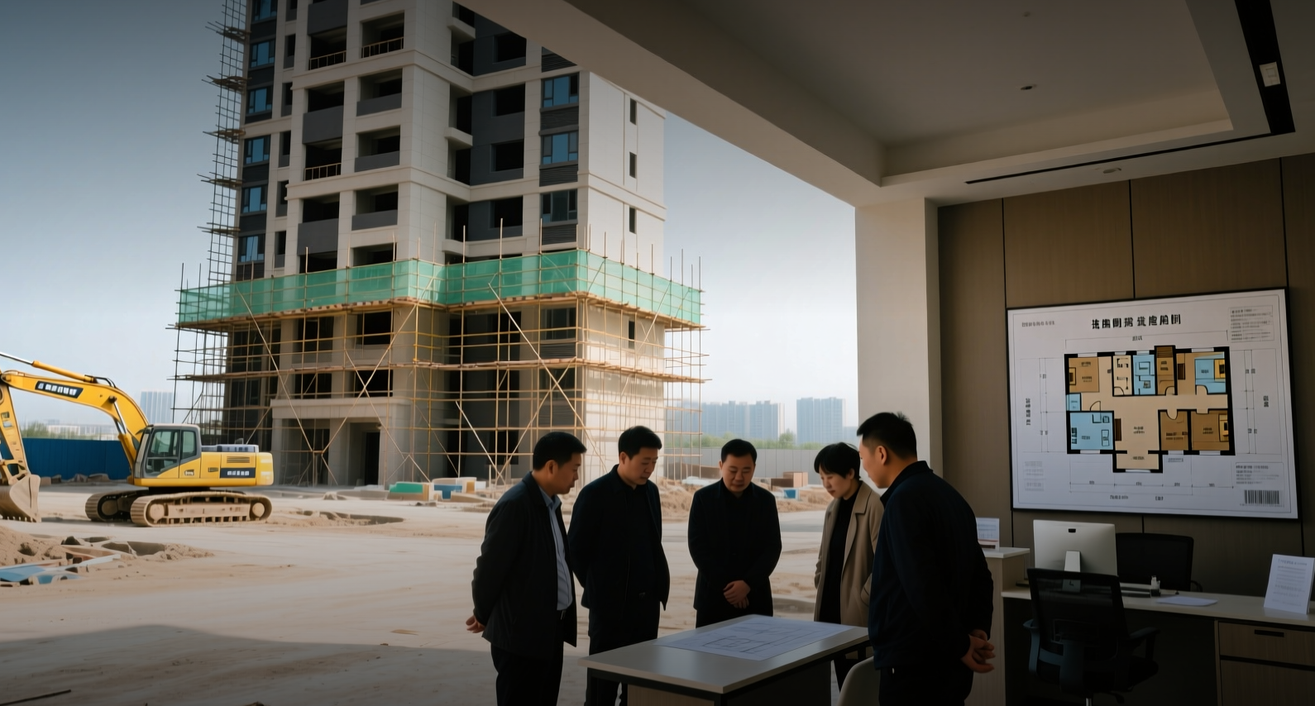
The People's Bank of China and financial regulators extended personal housing loan terms to 40 years from 30, capping loan amounts at property appraised value in a sweeping credit overhaul issued August 27.
The reform aims to "adapt to changes in real estate market supply and demand" and "promote a virtuous cycle between finance and real estate," according to the joint policy document published by the People's Bank of China and the National Financial Regulatory Administration.
The framework repeals nine prior regulatory notices dating from 2003 to 2016 and introduces a main bank system requiring each development project to designate a single lead bank for closed-loop fund management. Development loans for pre-sale projects are capped at five years, while cash-sale projects can extend to seven years. Commercial property purchase loans are limited to 15 years, and housing rental group purchase loans to 30 years at no more than 80 percent of appraised value. Operating property loans carry a 15-year maximum at 70 percent loan-to-value.
The policy arrives as China's property market continues to struggle. A Reuters poll published this month showed home prices falling slightly less in 2026 but property investment deepening its slump, highlighting the sector's persistent drag on the world's second-largest economy. Extending loan tenors to 40 years reduces monthly payments for buyers, potentially supporting demand, while the stricter development loan rules aim to curb risk in a sector that has seen multiple high-profile developer defaults since 2021.
The reform represents the most extensive restructuring of China's real estate credit system since the central bank's 2003 notice that first restricted property lending. The new rules consolidate nine separate directives into a single framework covering the full lifecycle of real estate financing — from development and construction through sales and operations.
Under the new framework, personal housing loans must be disbursed through trustee payment arrangements. For pre-sale properties, loans are released only after project completion and filing, a significant tightening from previous practice where buyers' mortgage funds flowed to developers during construction. For cash-sale properties, loans are released after sales filing. This shift aligns with Beijing's broader push toward cash-sale housing, which eliminates the risk of buyers paying for homes that are never delivered.
The main bank system is another structural change. Each development project must designate one lead bank — either a single lender or the lead arranger of a syndicated loan — to manage all project-related funds in a closed account. This includes development loans, project equity, and cash-sale proceeds, with the account remaining in place until the development loan is fully repaid. The system is designed to prevent the diversion of construction funds that contributed to the wave of unfinished housing projects across China.
For existing borrowers, the policy introduces a mechanism to reprice floating-rate mortgages. When the rate on an existing loan diverges from the national average for new loans by a certain margin, borrowers can negotiate with their bank to adjust the rate or refinance with a new loan. The new rate cannot fall below the floor for new loans in the borrower's city, and the replacement loan amount is capped at the remaining principal.
The policy also expands credit channels for rental housing. Housing rental group purchase loans — available to enterprises and qualified institutions buying existing vacant properties for long-term rental — can extend to 30 years at up to 80 percent of appraised value. This supports Beijing's strategy of converting unsold housing inventory into rental supply, a key pillar of the "new development model" for real estate.
The reform's dual nature — easing terms for homebuyers while tightening controls on developers — reflects Beijing's balancing act. The 40-year loan tenor directly addresses affordability: for a given loan amount, extending the term from 30 to 40 years cuts monthly payments by roughly 10 to 15 percent, depending on the interest rate. But the stricter development loan rules and closed-loop fund management raise compliance costs for developers already squeezed by weak sales and tight liquidity.
The last time China implemented a comparable restructuring of housing credit policy was in 2015, when the central bank cut minimum down payments and relaxed loan-to-value ratios, helping to stabilize the market after a two-year downturn. That stimulus contributed to a sharp price surge in major cities by 2016-2017, a lesson policymakers are likely mindful of as they now attempt to support demand without reigniting speculation.
For global investors, the policy shows continued government commitment to stabilizing the property sector, which accounts for roughly a quarter of China's GDP when including upstream and downstream industries. The reform affects a broad swath of China's financial system, from major state-owned banks including Industrial and Commercial Bank of China and China Construction Bank to developers such as China Vanke and Country Garden Holdings. The extension of loan terms and the push toward cash-sale housing could support developer cash flows over the medium term, while the tighter risk controls may accelerate consolidation among weaker developers.
This article is for informational purposes only and does not constitute investment advice.
