
Chinese automakers captured nearly a third more sales in Mexico during the first half of 2026, testing whether steep tariffs can curb their advance into North America's most accessible auto market.
Chinese automakers captured nearly a third more sales in Mexico during the first half of 2026, testing whether steep tariffs can curb their advance into North America's most accessible auto market.
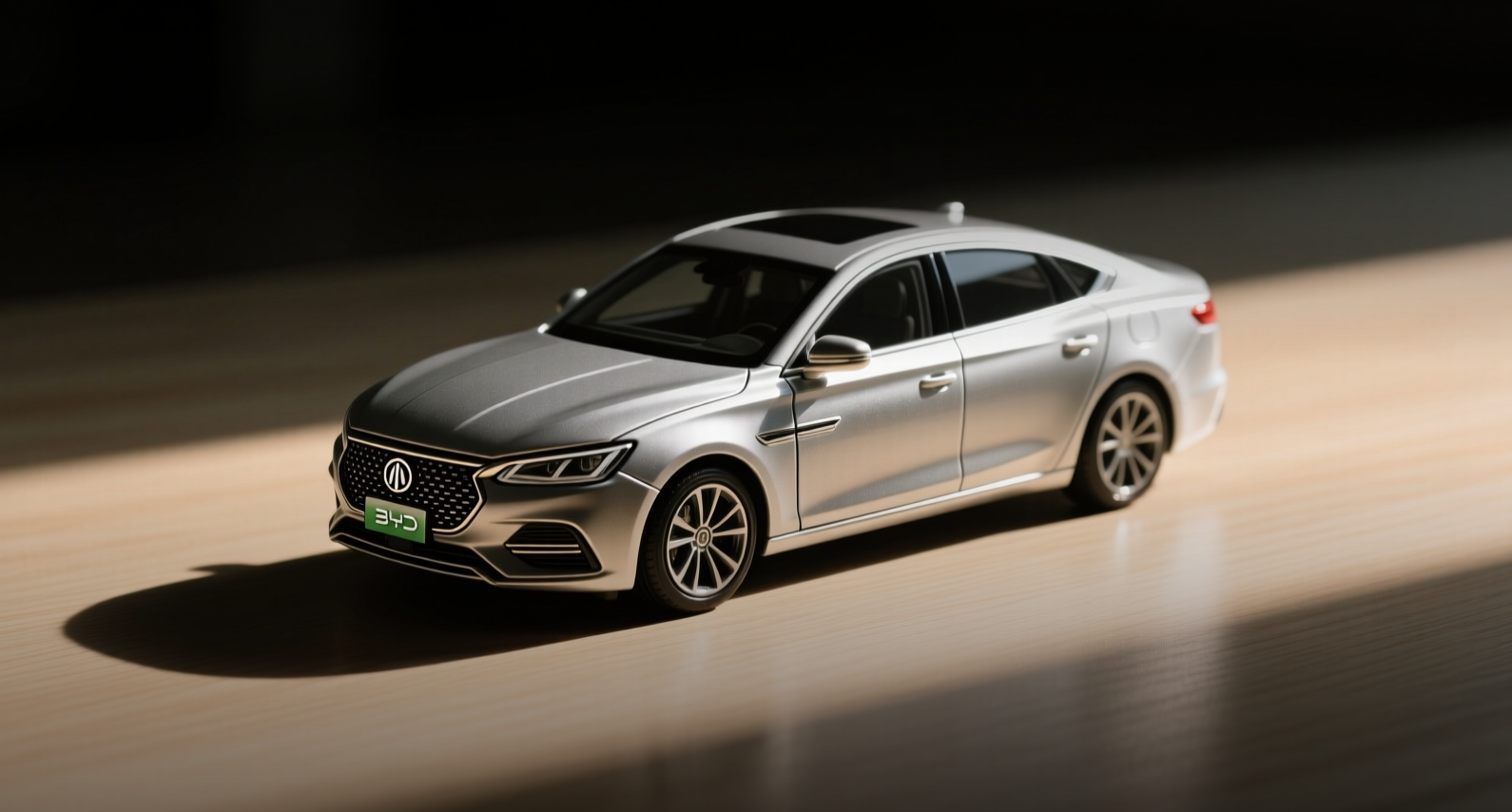
Chinese automakers captured nearly a third more sales in Mexico during the first half of 2026, testing whether steep tariffs can curb their advance into North America's most accessible auto market.
Chinese-brand vehicle sales in Mexico jumped nearly 30% to 137,525 units in the first six months of 2026, even after Mexico imposed a 50% tariff in January aimed at slowing Asian imports, according to distributor data obtained by Reuters.
"The sales data is misleading because Chinese automakers began the year with sizable inventories after front-loading shipments ahead of the tariff increase," Luis Rosendo Gutierrez, Mexico's deputy foreign trade minister, said. The real impact, he said, is visible in a 43% decline in imports of Chinese-brand vehicles during the first five months of the year compared with the same period last year.
Chinese brands now account for 17% of new vehicle sales in Mexico, up from 14% a year earlier and less than 1% in 2020. Geely posted the strongest growth among Chinese automakers, followed by MG Motor, Changan and Chirey. BYD, China's largest automaker and the biggest Chinese player in Mexico, saw sales edge down to 33,969 from 34,606.
The surge has alarmed U.S. officials who fear Mexico could become a springboard for Chinese companies seeking to enter the U.S. market, which contributes $1.2 trillion to the economy annually. The issue is a flashpoint in negotiations over the future of North America's trade pact, with a third round of talks set to begin in Mexico City on Tuesday.
The conflicting signals — rising sales alongside falling imports — reflect a timing gap. Chinese automakers stockpiled vehicles in Mexico before the 50% tariff took effect in January, allowing them to sustain sales through the first half even as new shipments slowed sharply. The Mexican Association of Automobile Distributors reported that Chinese brands held 17% of the market in the first six months, up from 7% in 2022.
Guillermo Rosales, executive president of the association, said Chinese brands are likely to keep gaining share, though at a slower pace. "The market has become saturated with supply," he said. "Several individual brands are selling fewer vehicles than they did a year ago, with their losses benefiting Chinese competitors." Rosales added that Chinese automakers have a strong incentive to absorb the higher tariff costs rather than risk losing ground in one of the world's largest vehicle markets.
The Chinese auto expansion in Mexico has become a central issue in negotiations over the US-Mexico-Canada Agreement's successor. U.S. officials argue that Chinese automakers could use Mexico as a backdoor to the American market, potentially upending an industry that represents $1.2 trillion in annual economic output. Mexico imposed the 50% tariff in January partly to reassure the United States, though the sales data suggests the measure has yet to fully slow consumer demand for Chinese brands.
The third round of trade talks begins Tuesday in Mexico City, with auto market access expected to be a key point of contention. The previous 25% U.S. tariff on Chinese goods, imposed in 2018, reduced bilateral trade by roughly $50 billion over two years, according to Census Bureau data — a precedent that suggests sustained tariff pressure can reshape trade flows, though the timeline for impact can extend well beyond a single quarter.
This article is for informational purposes only and does not constitute investment advice.
